In Lagos, Nigeria, traditional fishers face mounting distress as extreme temperatures wreak havoc on their livelihoods. The intense heat, which has seen daily temperatures soar beyond 35°C, is damaging fish stocks and increasing the risk of spoilage, severely impacting the fishing communities along the coast.
Impact on Local Economies
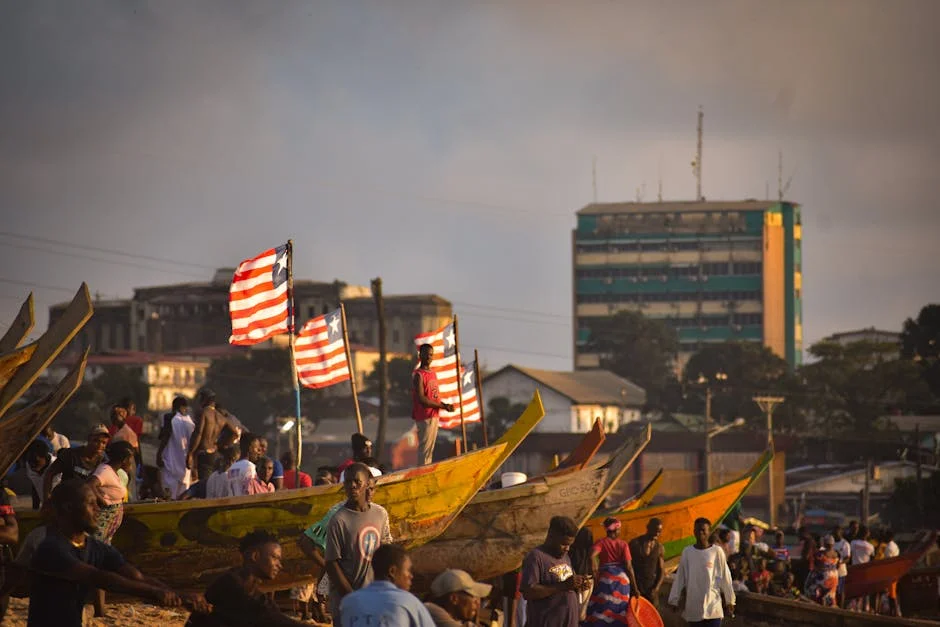
Fishing is a vital part of the local economy in coastal areas like Lagos. Over 200,000 people depend on this sector for their income. However, the harsh sun is leading to a decline in fish catches, with some fishers reporting up to a 30% reduction compared to previous years. This decline not only threatens their ability to earn a living but also impacts food security in the region.
As the Nigerian Meteorological Agency reports, climate patterns in the area have shifted dramatically over the past decade. This shift underscores the urgent need for adaptation strategies to be implemented to sustain fishing practices and protect food supply chains.
Why Harsh Weather Matters
Understanding the broader implications of this harsh weather is crucial. The phenomenon is not isolated to Nigeria; many African coastal regions are experiencing similar challenges. The rising temperatures, referred to as 'Searing' conditions, disrupt marine ecosystems, affecting the availability and health of fish populations.
Dr. Chinedu Okeke, a marine biologist at the University of Lagos, notes that the warming waters lead to changes in fish migration patterns. This knowledge is vital for developing new fishing strategies that can adapt to these changing conditions, ensuring sustainable practices for the future.
Adaptation and Opportunities
African development goals emphasize sustainable economic growth and resilience against climate change. Nigeria's situation highlights the pressing need for innovation in fishing techniques and investments in infrastructure. Solar-powered cold storage facilities and improved fish preservation methods could be part of the solution.
Additionally, regional cooperation among African nations can foster the sharing of knowledge and resources to combat the effects of harsh weather on fisheries. Such collaboration could also lead to the development of regional policies that enhance the resilience of fishing communities across the continent.
Looking Ahead
Efforts to address these challenges are ongoing. The Nigerian government, in partnership with local and international organizations, is exploring ways to mitigate the adverse effects of climate change on fishing. Upcoming initiatives include a workshop in December focused on sustainable fishing practices and climate adaptation strategies.
As the situation develops, stakeholders are urged to monitor the outcomes of these initiatives closely. The success of such measures will be pivotal in ensuring the sustainability of Nigeria's fishing industry and the livelihoods it supports.