As the world becomes increasingly interconnected, the ten largest landlocked countries are grappling with unique challenges to access global trade routes. In Africa, where six of these nations are located, the stakes are particularly high. Ethiopia, Uganda, and Niger are among those striving to overcome geographic hurdles that hinder their economic development and integration with global markets.
African Landlocked Countries and Their Challenges
Landlocked countries in Africa face significant logistical challenges, as they lack direct access to seaports. This geographical limitation often results in higher transportation costs, which can account for up to 20% of the total cost of goods, compared to 8% in coastal countries, according to the African Development Bank.
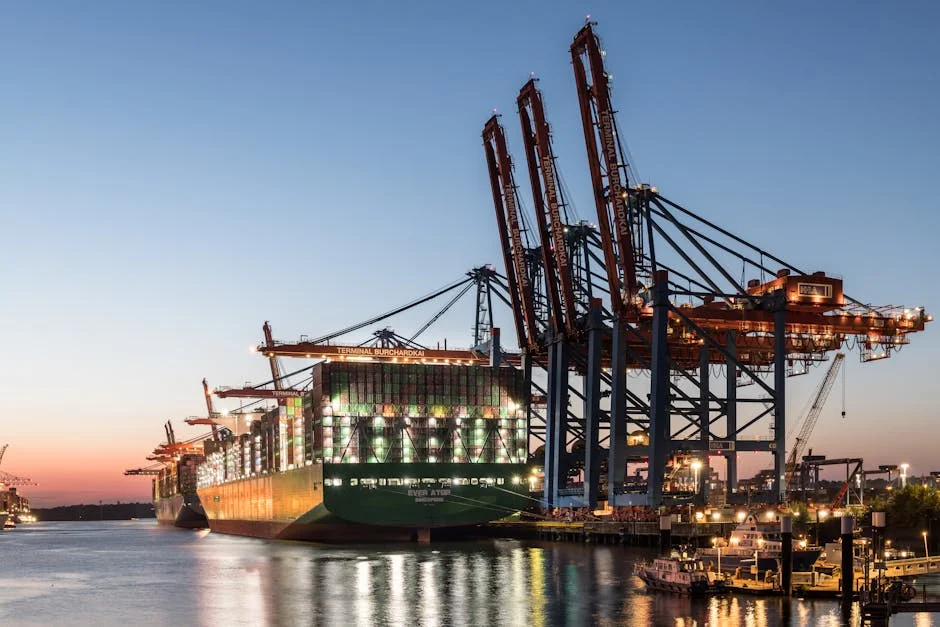
For instance, Niger relies heavily on the port of Cotonou in Benin, while Uganda uses the port of Mombasa in Kenya. The dependency on neighbouring countries for trade routes not only inflates costs but also leaves these nations vulnerable to political instability and policy changes that may affect these transit routes.
Strategies for Overcoming Geographic Barriers
Recognising these challenges, African landlocked countries are investing in infrastructure to improve connectivity. Ethiopia, for example, has made significant strides with the construction of the Addis Ababa-Djibouti Railway, a vital link to the Red Sea, reducing transportation times by half.
Moreover, regional partnerships are being strengthened. The African Continental Free Trade Area (AfCFTA) aims to create a single market that encourages intra-African trade. By focusing on improving road networks and border facilities, landlocked countries are working to enhance trade efficiency and economic collaboration.
Role of Technology and Innovation
Technology plays a crucial role in mitigating the challenges faced by landlocked countries. Digital platforms and mobile technology are being leveraged to streamline customs procedures and improve supply chain transparency. This technological advancement not only reduces costs but also enhances the competitiveness of African goods in international markets.
The Impact on Nigeria and Regional Integration
The focus on improving trade routes is not only beneficial for landlocked countries but also for Nigeria, Africa’s largest economy. Enhanced regional trade can lead to increased demand for Nigerian goods and services, presenting new opportunities for economic growth. Furthermore, as trade barriers decrease, Nigeria could see a boost in its own exports to neighbouring countries, fostering stronger economic ties.
However, Nigeria must also address its infrastructure challenges to fully capitalise on these opportunities. Upgrading its road networks and port facilities is essential to facilitate seamless trade across the continent.
Future Prospects and What to Watch
Looking ahead, the success of landlocked African countries in overcoming their geographic disadvantages will depend largely on continued investment in infrastructure and technology, as well as political stability in the region. The implementation of AfCFTA provides a promising framework for achieving greater economic integration and cooperation.
As these countries explore new trade routes and alliances, stakeholders should watch for developments in infrastructure projects and regional agreements that could reshape the economic landscape of Africa. For Nigeria, staying engaged in these regional efforts will be crucial to maintaining its position as a key player in the African economy.
Frequently Asked Questions
What is the latest news about landlocked nations seek new trade routes africa faces unique challenges?
As the world becomes increasingly interconnected, the ten largest landlocked countries are grappling with unique challenges to access global trade routes.
Why does this matter for economy-business?
Ethiopia, Uganda, and Niger are among those striving to overcome geographic hurdles that hinder their economic development and integration with global markets.African Landlocked Countries and Their ChallengesLandlocked countries in Africa face signif
What are the key facts about landlocked nations seek new trade routes africa faces unique challenges?
The dependency on neighbouring countries for trade routes not only inflates costs but also leaves these nations vulnerable to political instability and policy changes that may affect these transit routes.Strategies for Overcoming Geographic BarriersR
This technological advancement not only reduces costs but also enhances the competitiveness of African goods in international markets.The Impact on Nigeria and Regional IntegrationThe focus on improving trade routes is not only beneficial for landlocked countries but also for Nigeria, Africa’s largest economy. For Nigeria, staying engaged in these regional efforts will be crucial to maintaining its position as a key player in the African economy.