Mozambique's government confirmed that 26 major roads remain blocked more than a week after severe storms devastated the country's infrastructure, exacerbating the humanitarian crisis in the northern region of Cabo Delgado. The floods, which began in late March, have left thousands displaced and disrupted supply chains, raising fears of a worsening food and health emergency.
Storms Disrupt Critical Infrastructure
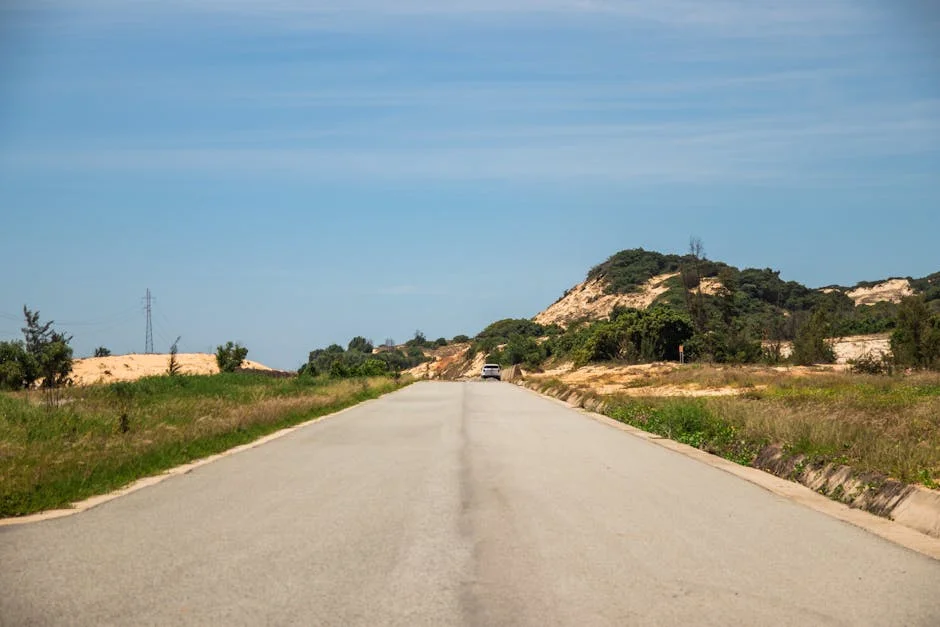
The storms, the worst in decades, battered the northern provinces of Niassa and Cabo Delgado, submerging roads, bridges, and farmland. The Ministry of Transport reported that 26 key routes, including the N6 and N13 highways, remain impassable due to landslides and flooding. These roads connect rural communities to towns and markets, making the situation dire for local populations.
"The damage is extensive, and without immediate repairs, the region will face a severe humanitarian crisis," said Dr. Maria Mucavele, a senior official with the Mozambique Red Cross. "Many villages are now isolated, and aid deliveries are being delayed."
Impact on Development Goals
The destruction of infrastructure highlights the fragility of Africa's development progress, particularly in regions already grappling with poverty and conflict. Mozambique, a country that has made strides in improving education and healthcare, now faces setbacks as disrupted roads hinder access to schools and clinics.
The United Nations has warned that the storms could reverse progress toward the Sustainable Development Goals (SDGs), especially those related to clean water, affordable energy, and resilient infrastructure. With over 100,000 people displaced and food insecurity rising, the situation underscores the urgent need for climate-resilient development strategies across the continent.
Call for International Support
International aid agencies have stepped in to provide emergency relief, but the scale of the damage has overwhelmed local capacities. The World Food Programme (WFP) has allocated $5 million to distribute food and water to affected communities, but officials say the funding is only a temporary fix.
"We are doing what we can, but this requires a coordinated, long-term response," said WFP representative Luisa Fernandes. "Mozambique is not the only country facing these challenges. Climate change is a growing threat to development across Africa."
Climate Change and Development
Experts warn that extreme weather events like the recent storms are becoming more frequent, threatening to derail Africa’s economic growth and social progress. A 2023 report by the African Development Bank found that climate-related disasters cost the continent over $10 billion annually in lost GDP.
Investing in climate adaptation is critical, according to Dr. Naledi Mokoena, a climate economist at the African Climate Policy Centre. "We need to build infrastructure that can withstand these shocks. Otherwise, the cycle of disaster and development setbacks will continue."
Next Steps and Challenges
The Mozambican government has announced plans to repair the damaged roads by June, but officials admit the work will be costly and time-consuming. The Ministry of Finance has requested $20 million in emergency funding from international partners, including the World Bank and the African Development Bank.
Meanwhile, local communities are calling for greater transparency in aid distribution and long-term investment in resilient infrastructure. With the rainy season approaching, the urgency to act is growing, and the coming weeks will determine whether the crisis escalates or is brought under control.