A naval blockade has resulted in 20 ships being stuck at an Iranian port, with former U.S. President Donald Trump claiming Iran is pleading for the United States to open the Strait of Hormuz. This situation has significant implications for global shipping and energy supply, particularly affecting oil-exporting African nations like Nigeria.
Blockade Details and Trump's Remarks
The blockade at the port of Bandar Abbas in Iran has left 20 vessels stuck, disrupting their journeys and impacting trade routes that are crucial for the transport of oil and goods. Donald Trump, in a recent statement, suggested that Iran is seeking U.S. intervention to reopen the Strait of Hormuz, a critical chokepoint in global oil shipments.
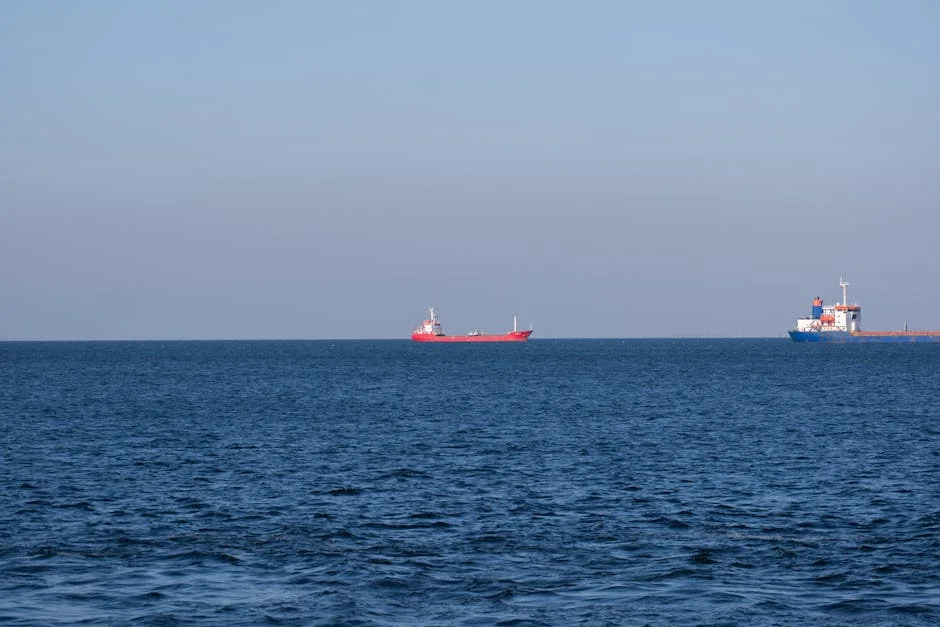
The Strait of Hormuz is a vital passage for the oil industry, with about 20% of the world's petroleum passing through it daily. This bottleneck is affecting not just Western markets but also those in Africa that rely on energy imports to fuel development.
Ormuz As: Strategic and Economic Implications
Ormuz As, the entity responsible for monitoring shipping through the strait, has been under pressure to resolve the blockade. The disruption in Ormuz threatens energy supplies to Nigeria, Africa's largest economy, which relies heavily on stable oil prices to sustain its fiscal budget.
This situation highlights the vulnerabilities in Africa's economic structures that are heavily dependent on global trade routes and underscores the need for diversification of energy sources across the continent. The Nigerian government, in particular, must strategize to mitigate the impact of such international disruptions.
Impact on African Development Goals
The current blockade underscores the challenges African nations face in achieving development goals tied to energy security and economic growth. With Nigeria being a major player in the African oil market, disruptions like the one at Ormuz As pose risks to national and regional economic stability.
The African Union has been advocating for better infrastructure and governance to improve resilience against such international crises. Strengthening internal logistics and diversifying economic dependencies are critical to safeguarding long-term growth and stability.
What to Watch Next
As the situation unfolds, stakeholders will be watching for any diplomatic resolutions or interventions that could open the Strait of Hormuz. It is crucial to monitor how Nigeria and other African countries will navigate these challenges, potentially accelerating shifts towards alternative energy sources and regional trade partnerships.
The coming weeks will be critical as international negotiations may influence the reopening of the strait, which will likely affect global oil prices and, consequently, the African economies dependent on them. Observers should keep an eye on developments from Ormuz As and any official statements from Nigeria regarding mitigation strategies.
See Also
- European Mayors Demand More Resources from Brussels: Implications for Africa's Development
- Lula and Montenegro Push for Win-Win Immigration Deal
What is the latest news about trump claims iran begs for strait opening as 20 ships remain stuck?
Why does this matter for economy-business?
What are the key facts about trump claims iran begs for strait opening as 20 ships remain stuck?