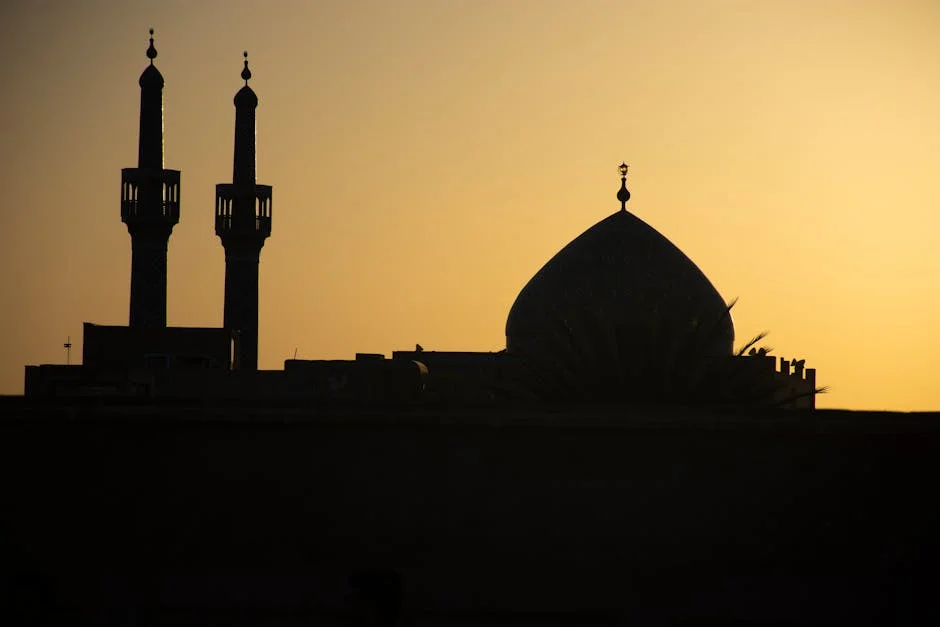
Iran has seized two vessels in the strategic Ormuz Strait, triggering fresh concerns over regional stability and global trade. The incident, which occurred on 12 April, comes amid heightened tensions between Iran and the United States, with former US President Donald Trump warning that Iran is facing a "financial collapse." The move has raised alarms across the globe, particularly in African nations reliant on maritime trade routes.
Iran's Actions in Ormuz Strait
The Iranian Revolutionary Guard Corps confirmed the seizure of two commercial ships on 12 April, citing alleged violations of maritime laws. The vessels, flagged under a European and an Asian company, were reportedly detained near the strategic waterway, a critical route for global oil shipments. The Ormuz Strait, a narrow passage between Iran and Oman, sees over 20% of the world's oil supply pass through daily, making it a focal point for geopolitical tensions.
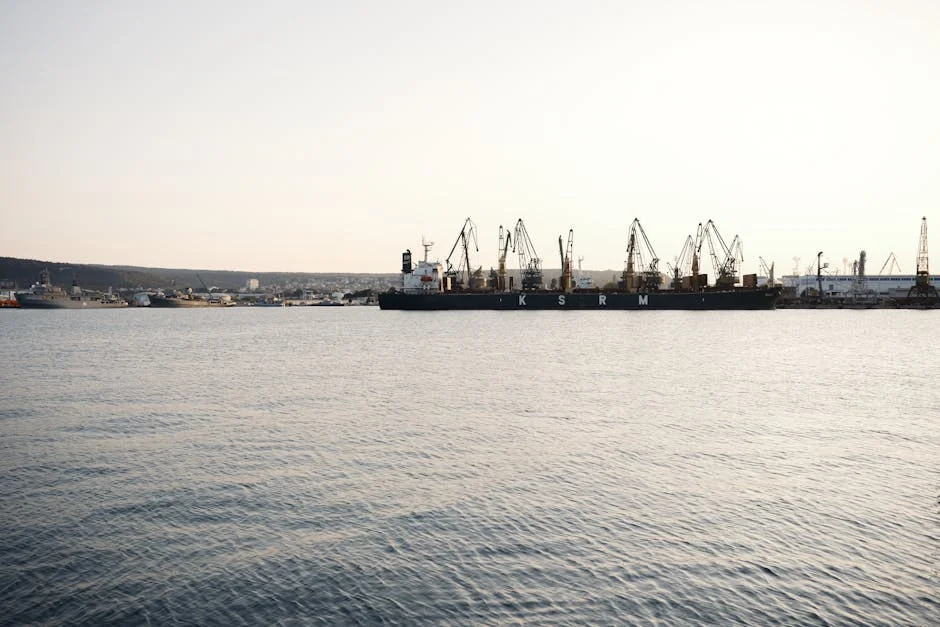
The incident marks the latest escalation in Iran's ongoing confrontation with Western powers. In a recent interview, former US President Donald Trump, who has remained a vocal critic of Iran, stated that the country is in "financial collapse" due to international sanctions. His comments, though unverified, have fueled speculation about the potential for further conflict in the region. The US has not yet commented on the seizure, but regional allies, including the United Arab Emirates, have called for de-escalation.
Impact on African Trade and Development
The Ormuz Strait is a vital artery for African countries that rely on maritime trade. Nigeria, for instance, imports a significant portion of its fuel and consumer goods through this route. Any disruption could lead to price surges and supply shortages, undermining economic growth and development goals. The African Development Bank has warned that instability in the region could have ripple effects across the continent, particularly in countries with weak trade infrastructure.
African leaders have expressed concern over the situation. In a statement, the African Union called for peaceful resolution of the crisis, emphasizing that regional stability is key to achieving the continent's Sustainable Development Goals (SDGs). The AU's chairperson, Moussa Faki Mahamat, noted that conflicts in the Middle East often have direct consequences for African economies, particularly in energy and food security.
Analysts suggest that the Ormuz Strait crisis could also affect African investment in energy and infrastructure. With global markets on edge, multinational companies may hesitate to commit to long-term projects in the region. This could slow progress on Africa's development agenda, which includes expanding access to clean energy and improving transport networks.
Regional Tensions and Global Implications
The Ormuz Strait has long been a flashpoint in the Middle East. In 2019, Iran seized a British oil tanker, leading to a diplomatic standoff. The current situation echoes that period, with the potential for further escalation. The US and Iran have been locked in a tense standoff since the 2018 US withdrawal from the Iran nuclear deal, which led to a resurgence of sanctions against Tehran.
Regional powers, including Saudi Arabia and the UAE, have taken a cautious stance, calling for dialogue but also preparing for potential disruptions. The UAE's Ministry of Foreign Affairs issued a statement urging all parties to "avoid actions that could destabilize the region." The Gulf Cooperation Council (GCC) has also expressed concern, with its secretary-general, Abdullatif al-Zayani, warning of the risks to global trade and energy security.
For African nations, the crisis serves as a reminder of the interconnectedness of global events. As the continent works to build resilient economies and reduce dependence on external markets, the Ormuz Strait incident highlights the need for stronger regional cooperation and investment in alternative trade routes.
Looking Ahead: What to Watch Next
The next few weeks will be critical in determining the trajectory of the crisis. Diplomatic efforts are underway, with the United Nations and regional organizations pushing for a peaceful resolution. The US and Iran are expected to engage in indirect talks, though no official dates have been set.
African leaders will also be monitoring the situation closely. The African Union has scheduled an emergency meeting to discuss the implications for the continent. Meanwhile, trade organizations in Nigeria and Kenya are preparing for potential supply chain disruptions, with some companies already exploring alternative shipping routes.
As global markets remain volatile, the Ormuz Strait crisis serves as a stark reminder of the fragility of international trade. For Africa, the situation underscores the importance of regional integration and economic diversification. What happens in the next 30 days could shape the continent's development trajectory for years to come.
See Also
- Oil Surge Hits India's Markets - Sensex Drops 500 Points, Nifty Slides 200: What It Means for Africa
- Anthropic Unveils AI Job Market Study — Sparks Debate on Tech's Role in Africa