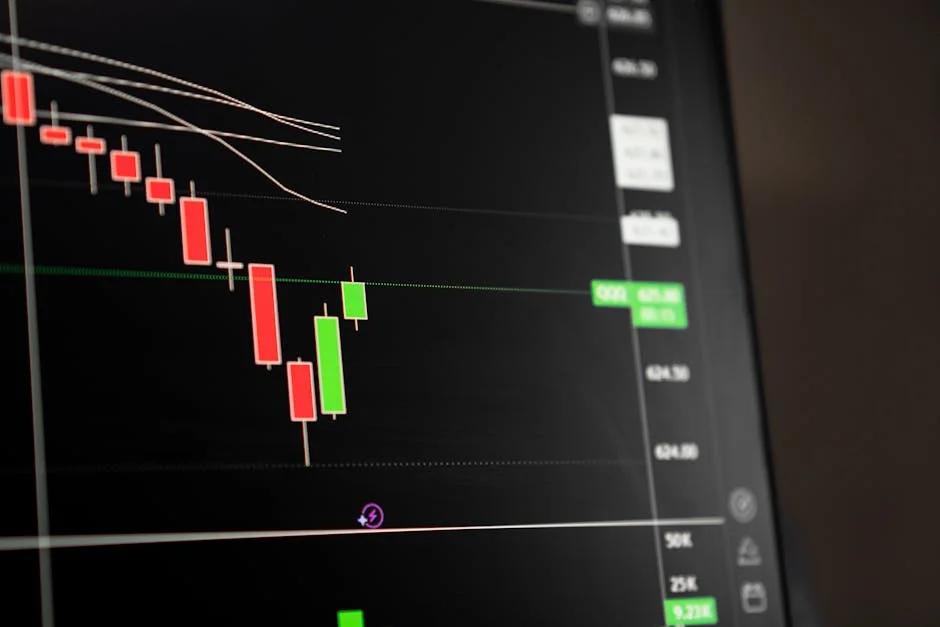
On April 28, 2026, the Nasdaq Composite Index saw a downturn, driven by renewed doubts over artificial intelligence investments and a sharp rise in oil prices. While the Dow Jones Industrial Average remained stable at 34,500 points, the tech-heavy Nasdaq dipped by 2%, closing at 12,300 points, as investors reassessed the sustainability of tech valuations.
Nasdaq's Influence on Global Markets
The Nasdaq's performance is pivotal not only for the United States but also for global markets, including Africa. With tech giants like Apple and Google listed on Nasdaq, their financial health directly influences tech investments worldwide. In Africa, a continent striving to leapfrog technological barriers, fluctuations in Nasdaq can impact funding and investor confidence in local tech startups.
According to the International Monetary Fund (IMF), tech sector growth is crucial for Africa's economic development goals. The continent aims to harness digital transformation to enhance education, healthcare, and governance. Therefore, Nasdaq's volatility can have ripple effects, potentially delaying tech projects and innovation initiatives across African nations.
Impact of Rising Oil Prices
The spike in oil prices, which hit $120 per barrel, added to the market's volatility. This surge was triggered by geopolitical tensions affecting supply chains. High oil prices typically lead to increased operational costs for tech companies, which heavily rely on energy for data centres and logistics.
For African economies, many of which are net oil importers, this development could strain budgets and increase inflationary pressures. However, oil-exporting nations like Nigeria might find short-term gains, providing a mixed outlook for the continent's economic stability.
AI Uncertainties and African Opportunities
Investor concerns about AI, particularly regarding ethical considerations and regulatory frameworks, have influenced Nasdaq's recent performance. African nations, investing in AI to drive growth in sectors like agriculture and finance, might encounter challenges due to these global apprehensions.
Nevertheless, Africa has the opportunity to set its own standards in AI development, potentially bypassing some of the hurdles faced by more established markets. This could invite unique collaborations and innovations tailored to the continent's specific needs.
Nigeria's Tech Sector Watch
In Nigeria, the tech sector is keenly observing Nasdaq's trends, as many local startups seek international partnerships and investments. The downturn might prompt Nigerian firms to explore alternative funding sources or adjust their business models to mitigate risks associated with global market instability.
Looking Ahead: Africa's Strategic Response
As markets continue to react to these complex dynamics, African policymakers and business leaders must navigate these challenges strategically. Emphasizing diversified growth, reducing dependency on imported technologies, and fostering local innovation are critical steps.
In the coming months, investors will be watching Nigeria's tech sector closely for signs of adaptation and resilience. April's latest news from Nasdaq serves as a reminder of the interconnectedness of global markets and the importance of strategic planning to achieve Africa's development goals.
See Also
- Ex-Meta Employee Faces Probe Over 30,000 Facebook Photos Leak
- Macron Deploys Aircraft Carrier and Jets to Mediterranean: What It Means for Africa
What is the latest news about nasdaq slumps as ai doubts and oil prices shake markets tech firms react?
Why does this matter for economy-business?
What are the key facts about nasdaq slumps as ai doubts and oil prices shake markets tech firms react?