A Togo-flagged oil tanker came under fire from the Iranian Coast Guard near the coast of Oman, heightening tensions in the Gulf region. The vessel, carrying 12 Indian crew members, was reportedly targeted as part of broader hostilities related to the ongoing Iran conflict. This incident underscores the vulnerability of African-registered ships in international waters and raises questions about maritime security.
Togo's Maritime Involvement
Togo, a West African nation, has increasingly registered vessels under its flag to boost its maritime profile. The use of Togo flags by international ships is part of a strategic effort to enhance the country's presence in global shipping. However, this incident highlights the risks associated with such a strategy, especially considering the volatile geopolitical landscape in the Middle East.
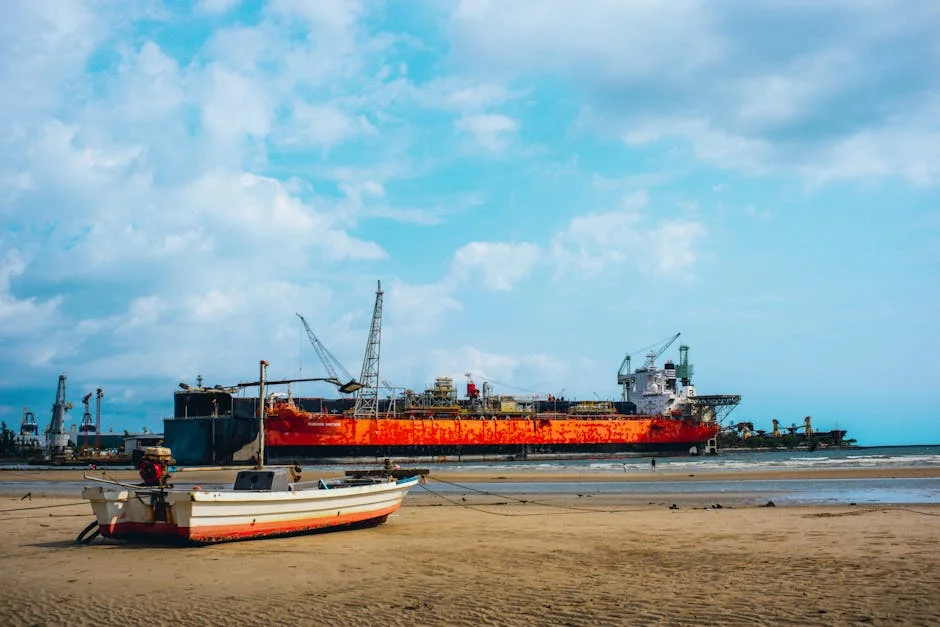
The Togo Maritime Authority has not yet commented on the incident, but it is expected that they will seek clarification from Iranian authorities. This development could have broader implications for Togo's maritime ambitions and its economic interests.
Impact on African Trade and Security
The attack on the Togo-flagged tanker raises significant concerns about the safety of African assets in international waters. As African nations like Nigeria and Ghana expand their maritime sectors, security in crucial shipping lanes becomes vital. The Iranian Coast Guard's aggressive actions could deter African nations from further investing in maritime trade, which is a crucial component of economic development.
Moreover, the Gulf of Oman is a pivotal route for oil transportation. Any disruption could have repercussions for global oil prices, impacting economies across Africa that rely on oil imports. Thus, ensuring the security of these maritime routes is essential for African economic stability.
Regional Responses and Future Implications
Countries involved in the Gulf region are likely to respond to this incident, prompting diplomatic engagements aimed at de-escalating tensions. The African Union may also issue a statement calling for the protection of African-flagged vessels and greater cooperation on maritime security.
This incident serves as a reminder of the interconnectedness of global trade and security. African nations must navigate these challenges carefully, balancing their development goals with the need for security and international cooperation.
What to Watch Next
Diplomatic efforts are expected to intensify as nations seek to address the security concerns raised by this incident. The outcome of these discussions could influence maritime policies in Africa and beyond. Stakeholders will also be monitoring any changes in oil prices, which could affect economic plans across the continent. Observers will be keen to see if Togo takes measures to protect its maritime interests and if other African nations reassess their maritime strategies in response to potential threats.
See Also
- White House Shooting Triggers Global Security Review for African Leaders
- Peter Obi Confirms Kwankwaso as Key Partner Ahead of 2027 Elections