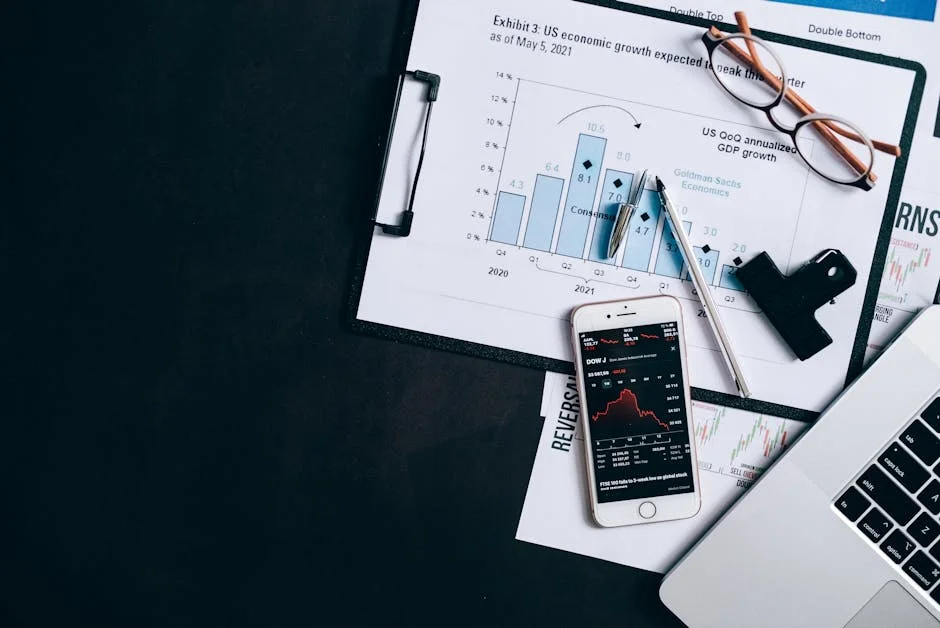
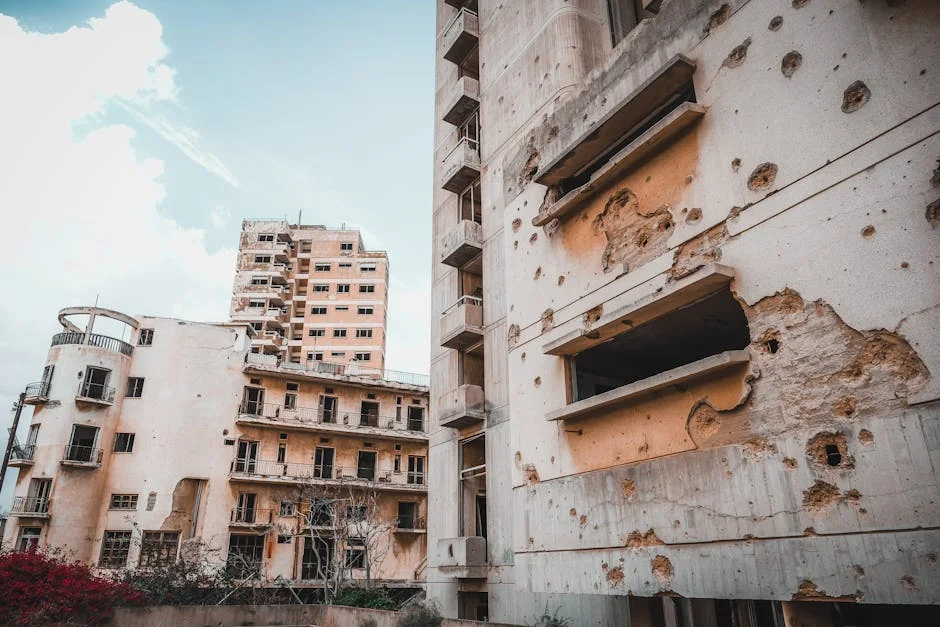
Wall Street edged higher on Tuesday as investors closely monitored the unfolding situation in the Middle East, with a key ceasefire deadline in Iran looming. The Dow Jones Industrial Average surged 300 points, while the S&P 500 remained relatively flat amid uncertainty. The developments on global markets have sparked discussions about how geopolitical tensions could ripple across the African continent, particularly in countries reliant on global trade and investment.
Global Markets React to Middle East Tensions
Markets in the US and beyond remained on edge as the situation in Iran escalated, with traders bracing for potential volatility. The S&P 500, a key indicator of US economic health, saw minimal movement, reflecting cautious optimism. Meanwhile, the Dow’s 300-point jump highlighted investor confidence in the short term, though long-term uncertainty loomed. Analysts noted that the broader implications of the conflict could extend beyond the Middle East, affecting global supply chains and commodity prices.
Financial experts warned that the situation in Iran could have indirect effects on African economies, particularly those with significant trade ties to the region. Countries like Nigeria, which rely on oil imports and global market stability, are particularly vulnerable. The Nigerian Ministry of Finance has been monitoring the situation closely, as any disruption in global oil prices could impact the country’s budget and economic planning.
Impact on African Markets and Trade
The potential for increased oil prices has raised concerns in Africa, where many economies depend on oil exports or imports. Nigeria, Africa’s largest oil producer, faces a dual challenge: maintaining stable domestic prices while managing foreign exchange pressures. The Central Bank of Nigeria (CBN) has been working to stabilize the naira, but rising global oil prices could complicate these efforts.
Regional trade partners, including Ghana and Kenya, are also watching the situation. A report by the African Development Bank (AfDB) highlighted that geopolitical tensions could disrupt trade routes and increase costs for African businesses. The AfDB’s chief economist, Dr. Adebayo Adesina, warned that African nations need to strengthen regional trade agreements to cushion against global shocks.
For African retailers, the situation is equally complex. With global supply chains already under pressure, any further disruptions could lead to higher consumer prices. The Nigerian Retail Association (NRA) has called for government intervention to support local businesses and prevent inflationary pressures from spilling into the domestic market.
Policy Responses and Economic Strategies
In response to global market fluctuations, African governments are re-evaluating their economic strategies. Nigeria’s Ministry of Finance has announced plans to diversify its energy sources and reduce dependence on oil. This move aligns with broader African development goals, including the African Continental Free Trade Area (AfCFTA), which aims to boost intra-African trade and economic resilience.
Regional leaders have also emphasized the need for stronger financial cooperation. The African Union (AU) has urged member states to invest in local manufacturing and reduce reliance on foreign imports. This push for self-reliance is seen as a critical step toward achieving the Sustainable Development Goals (SDGs), particularly in the areas of economic growth and infrastructure development.
At the same time, some African countries are seeking to attract foreign investment to offset global uncertainties. South Africa, for instance, has been promoting its renewable energy sector as a way to attract green investments. The government’s recent policy changes have drawn interest from international investors, signaling a potential shift in Africa’s economic trajectory.
What to Watch Next
The coming weeks will be crucial for both global and African markets. Investors are closely watching the outcome of the ceasefire negotiations in Iran, as well as the potential for further geopolitical escalation. For African nations, the focus will be on how they respond to these global shifts and whether they can implement policies that promote long-term stability and growth.
Nigeria’s upcoming budget review and the AfCFTA implementation timeline will be key indicators of how African countries are adapting to the changing global landscape. As the world watches, the continent’s ability to navigate these challenges will have lasting implications for its development goals and economic future.
See Also
- Benfica Wins Women's Basketball Taça de Portugal in Paredes Showdown
- Enzo Slams Madrid's Influence on Nigerian Football Development