The GB has issued an urgent recall of a batch of antidepressants due to a manufacturing error, raising alarms about potential disruptions in medication availability across Africa. Announced on 15 October 2023, the recall affects thousands of units distributed to pharmacies and hospitals globally, including several African nations that rely on these imports for mental health treatments.
Details of the Recall
The recall, initiated by GB's leading pharmaceutical company, Lorea Pharma, involves approximately 50,000 units of the antidepressant Sertraline. The issue was discovered during routine quality control checks, revealing inconsistencies in the active ingredient concentration. These inconsistencies could lead to decreased efficacy or increased side effects for patients relying on the medication.
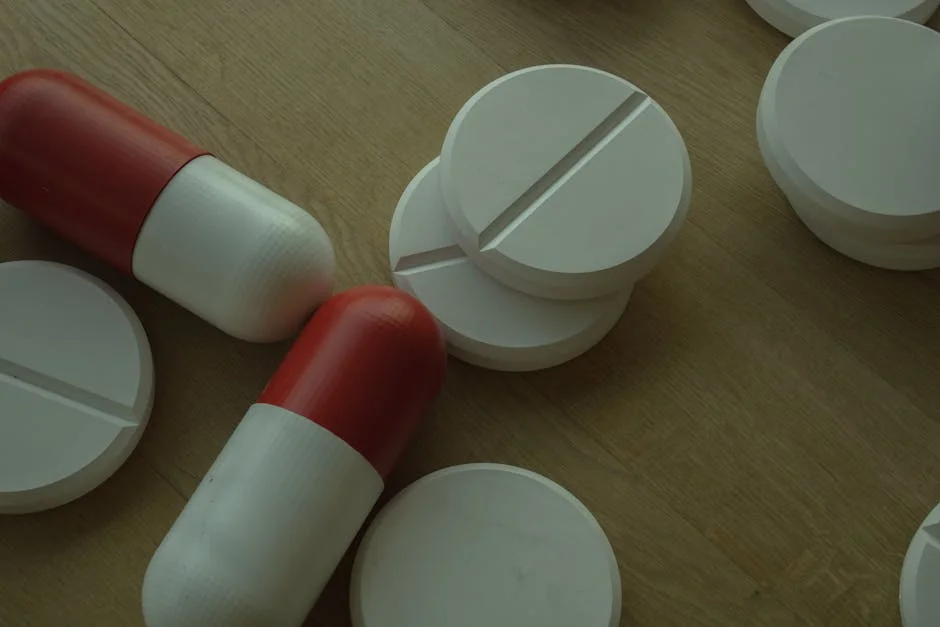
In response, Lorea Pharma and the Medicines and Healthcare products Regulatory Agency (MHRA) have advised healthcare providers and pharmacists to halt the distribution and usage of the affected batch immediately. In London, the company's headquarters, an extensive review of manufacturing processes is underway to prevent future occurrences.
Implications for Africa
Africa's healthcare systems, already strained by limited resources and infrastructure, may face further challenges due to this recall. Many African countries, like Nigeria and Kenya, import a substantial portion of their pharmaceuticals, including antidepressants, from international manufacturers such as Lorea Pharma. This reliance means disruptions in supply could exacerbate mental health challenges on the continent, where access to mental health resources is often limited.
With the African Union's Agenda 2063 emphasizing improved healthcare and well-being, such recalls highlight the need for strengthened local pharmaceutical production capabilities. By bolstering local manufacturing, African nations can reduce dependency on imports, ensuring a more stable and reliable supply of essential medications.
Steps Forward
Ensuring Patient Safety
Healthcare providers on the continent are urged to closely monitor patients who may have been affected by the recalled batch. Alternative treatments should be considered until a safe supply is re-established. This precaution is crucial to maintaining patient safety and trust in pharmaceutical treatments.
Long-Term Solutions
In the long term, this incident serves as a catalyst for African governments and private sectors to invest in domestic pharmaceutical industries. By doing so, the continent can better insulate itself from global supply chain disruptions and support its development goals in health and economic growth.
What to Watch Next
As the recall unfolds, stakeholders in the African pharmaceutical and healthcare sectors will be closely monitoring the impact on medication supply chains. The GB's MHRA is expected to release findings from their manufacturing review by the end of the year. Meanwhile, African nations may accelerate ongoing discussions around enhancing local drug manufacturing capabilities. Observers should watch for policy shifts and potential partnerships aimed at reducing import dependency.
See Also
- Tiger Brands Boosts Nine Township Businesses via Kokota Growth Programme
- Woolworths Slams McDonald's Over Viral Burger Fail: What It Means for Nando