Oil prices have climbed by 4% as tensions escalate between Tehran and Washington Os, raising concerns globally. This development, particularly affecting the Strait of Hormuz, a critical transit route for oil, could have profound implications for Nigeria's economy and its development goals.
Oil Price Surge and its Global Impact
The increase in oil prices is attributed to uncertainties surrounding geopolitical tensions, particularly involving the United States and Iran. The Strait of Hormuz, through which nearly a fifth of the world's oil passes, has become a focal point of international concern. The situation has led to heightened market volatility, with prices reaching $85 per barrel this week.
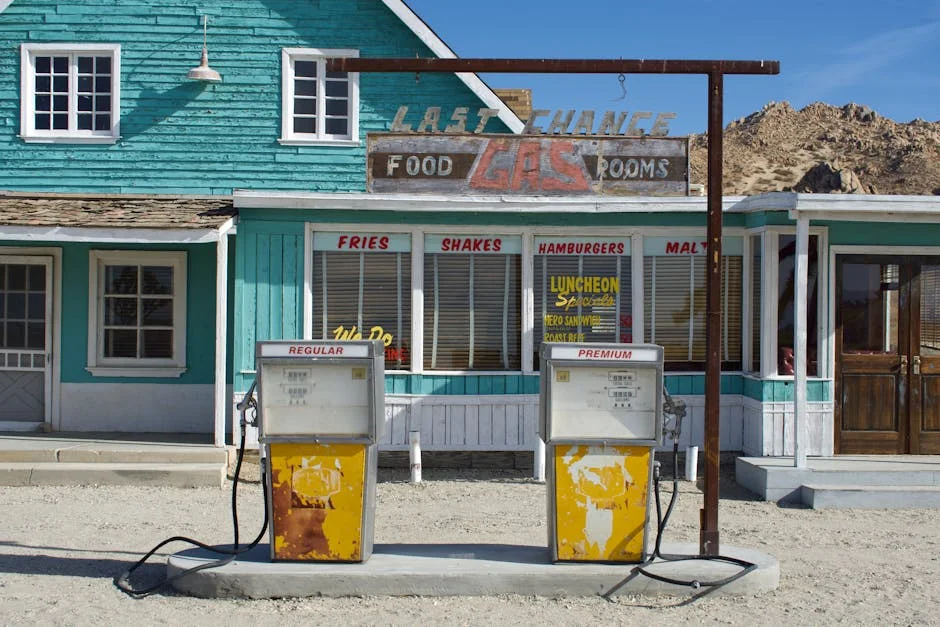
This spike presents both challenges and opportunities for oil-dependent economies such as Nigeria. While higher prices could increase national revenue, they may also lead to inflationary pressures domestically, affecting the cost of living and economic stability.
Nigeria's Response to the Oil Price Hike
Nigeria, a major oil exporter, stands to gain from increased oil revenues. However, the country must balance this with the potential negative impacts on its domestic market. The Nigerian National Petroleum Corporation (NNPC), under the leadership of Mele Kyari, is reportedly assessing the situation to mitigate any adverse effects on the local economy.
Efforts to diversify Nigeria's economy away from heavy reliance on oil are crucial in this context. The government may need to accelerate initiatives in agriculture and technology sectors to promote sustainable development and economic resilience.
Implications for African Development Goals
The current oil market dynamics underscore the need for African nations to strategize for long-term economic stability. Nigeria's experience highlights a broader continental challenge: the dependency on raw commodity exports. Economic diversification is essential to achieving robust development goals and reducing vulnerability to global market fluctuations.
Infrastructure improvement, better governance, and investment in education and health are critical areas where African countries can focus their development agendas. Such initiatives can buffer against external shocks and build a more resilient economy.
What to Watch Next
The coming weeks will be crucial as global stakeholders monitor the situation in the Strait of Hormuz. For Nigeria, the government’s next steps will be pivotal in managing both the opportunities and risks posed by the fluctuating oil prices. Observers are keenly watching for policy announcements from the NNPC and the Ministry of Finance regarding any new measures to stabilize the local economy.
As the geopolitical situation develops, attention will also be on Nigeria’s efforts to accelerate economic diversification. The potential for future shifts in global energy markets could significantly influence the trajectory of African development objectives.