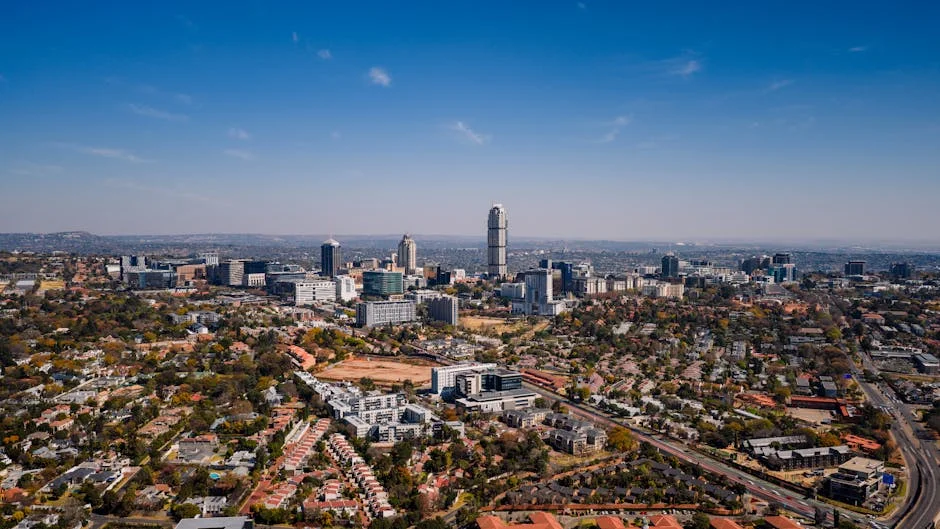
The Control initiative, aimed at eliminating travel commission fees, has been launched, promising to revolutionize the way individuals travel across Africa. This development took place in Lagos, Nigeria's bustling commercial hub, where Control announced its plans on October 15, 2023. With a focus on reducing travel costs, Control seeks to facilitate easier movement for millions of Africans while boosting intra-continental trade and tourism.
Control's Vision for a Fee-Free Travel Experience
Control's initiative is designed to eliminate the hefty fees often associated with booking travel services. According to Control's CEO, Jane Oluwaseyi, the average commission fee for travel bookings can range from 5% to 15%. By removing these charges, Control aims to make travel more accessible and affordable for all Africans, particularly those in economic hubs like Lagos.

This move is expected to align with the African Union's Agenda 2063, which emphasizes the importance of integrating African economies and enhancing free movement. By reducing costs, Control not only facilitates individual travel but also aids in the development of regional businesses that depend on affordable logistics.
Potential Economic Impacts on Nigeria
Boosting Local Tourism and Business Travel
Nigeria, with its diverse cultural and economic landscape, stands to benefit significantly from this initiative. The removal of travel commissions could lead to a 20% increase in domestic tourism, as estimated by the Nigerian Tourism Development Corporation. This surge in tourism is expected to provide a substantial boost to local economies, particularly in tourist hotspots such as Abuja and Calabar.
Moreover, businesses could experience lower operational costs, encouraging more frequent travel for business purposes. This could stimulate partnerships and investments, contributing to economic growth and employment opportunities within the region.
Challenges and Opportunities for Infrastructure
While the promise of fee-free travel presents numerous opportunities, it also poses challenges, particularly in infrastructure. Nigeria must address its existing transportation infrastructure gaps to fully capitalize on increased travel. This includes improving road networks and expanding airport capacities to handle higher volumes of travellers.
Control's initiative could also accelerate the development of digital infrastructure, as online booking systems become more integral to the travel industry. This could set a precedent for further technological advancements in Nigeria.
Looking Ahead: What to Watch
The next steps for Control involve collaborating with local governments and travel agencies to ensure seamless implementation of their fee-free model. The initiative plans to roll out across Nigeria by early 2024, with pilot programs in Lagos and Abuja set to start in December 2023. Stakeholders will be closely monitoring the impact on travel trends and economic activity.
As Control progresses with its initiative, attention will be on how effectively Nigeria can adapt its infrastructure and regulations to support this new travel paradigm. The potential for increased connectivity across Africa could pave the way for broader economic integration, positioning Nigeria as a leader in this transformative journey.
See Also
- Turkey Inflation Hits 32.37% — What It Means for Africa
- EU Experts Clear Renewables as Energy Crisis Deepens
Stakeholders will be closely monitoring the impact on travel trends and economic activity.As Control progresses with its initiative, attention will be on how effectively Nigeria can adapt its infrastructure and regulations to support this new travel paradigm. See AlsoTurkey Inflation Hits 32.37% — What It Means for AfricaEU Experts Clear Renewables as Energy Crisis Deepens
What is the latest news about control initiative aims to cut travel fees impacts on nigeria explained?
Why does this matter for economy-business?
What are the key facts about control initiative aims to cut travel fees impacts on nigeria explained?