Ryanair's CEO, Michael O'Leary, has issued a stark warning that several European airlines could face bankruptcy if the current high jet fuel prices do not decrease soon. Speaking at a recent aviation conference in Dublin, O'Leary emphasised the urgency of the situation, noting that rising operational costs threaten the viability of airlines already struggling post-pandemic.
Ryanair's Concerns and the Aviation Market
O'Leary's comments come at a time when many airlines are grappling with increased costs. He highlighted that the price of jet fuel has surged by nearly 30% over the past year, significantly impacting airlines' bottom lines. Ryanair, known for its budget-friendly fares, is particularly sensitive to fuel price fluctuations, which account for a substantial portion of its operating expenses.
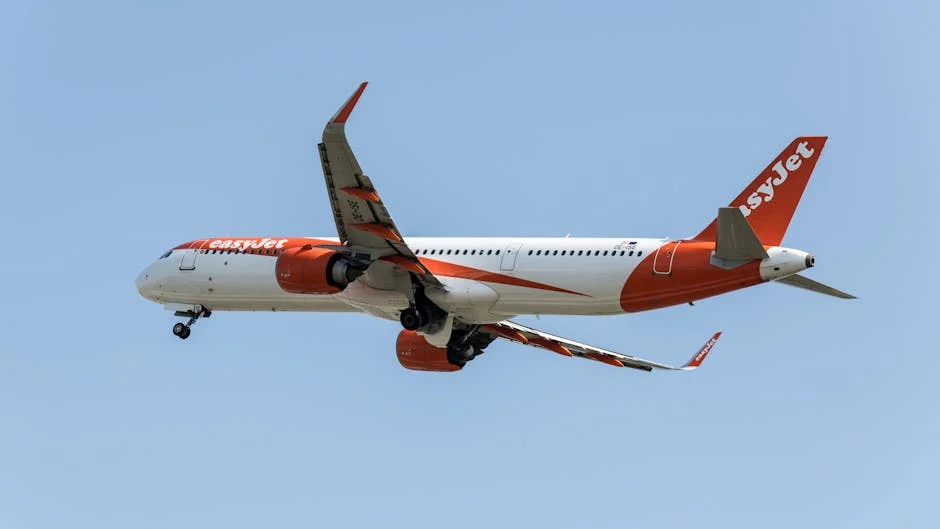
The potential collapse of European airlines could have ripple effects globally, including in Africa. Many African countries depend on European carriers for tourism and trade links. The reduction in airline services could hinder economic growth and development across the continent.
Impact on African Development Goals
The aviation sector is crucial for achieving several African development goals, including boosting tourism, facilitating trade, and connecting regions. A downturn in the European aviation market could slow these efforts by reducing connectivity and increasing the cost of air travel.
In Nigeria, for example, the impact could be felt acutely. The country is a key player in Africa's aviation industry, and any disruption in flights to and from Europe could affect not only tourism but also the export of goods. This scenario aligns with concerns from the Nigerian Ministry of Aviation about maintaining stable and affordable air travel options.
Potential Opportunities Amidst Challenges
Despite these challenges, there are opportunities for African airlines to fill any gaps left by European carriers. Local airlines could expand their services, thereby increasing regional connections and improving intra-African trade. This shift could support the African Continental Free Trade Area (AfCFTA) goals by enhancing the movement of goods and services.
Moreover, investments in sustainable aviation fuel could offer long-term benefits, reducing dependency on traditional jet fuel and cutting costs. African nations could explore partnerships with global companies to develop and implement these technologies, promoting clean energy initiatives across the continent.
Future Steps and Considerations
As the situation unfolds, stakeholders should monitor fuel price trends and their impact on the aviation sector. Governments in Africa may need to consider policy measures to support local airlines and sustain economic progress. Collaboration with international partners could provide financial and technical assistance to navigate these turbulent times.
Looking ahead, the aviation industry in Europe and Africa will need to adapt to changing conditions. Airlines must explore innovative solutions to remain competitive and sustainable. The focus will be on reducing costs while maintaining essential services, a challenge that requires strategic planning and investment in new technologies. This dynamic environment presents both risks and opportunities for the future of aviation in Africa and beyond.