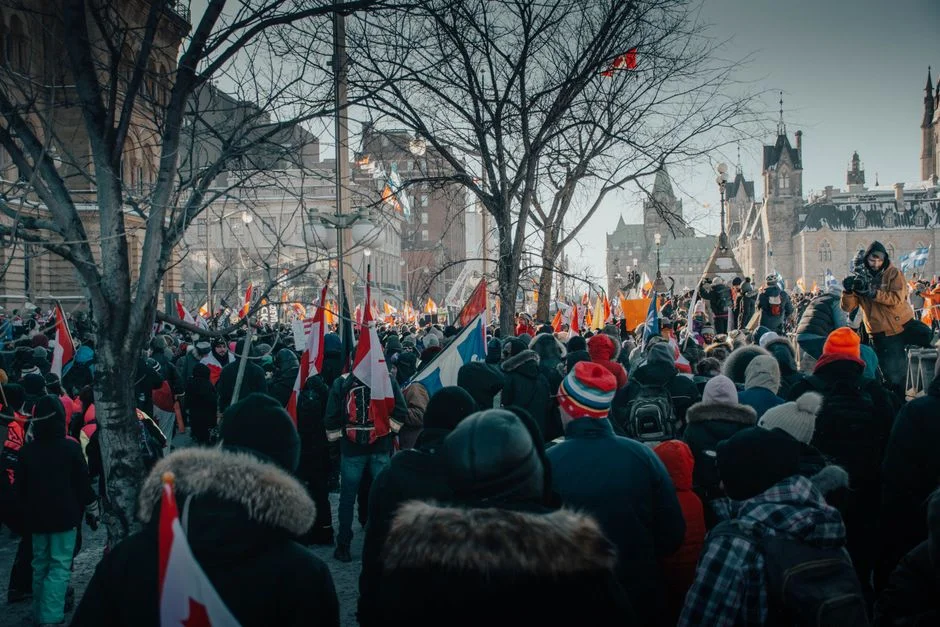
The South African government moved urgently this week to defuse escalating tensions as organisers prepared for anti-immigration demonstrations set to take place across multiple cities in the coming days. Authorities have deployed additional security personnel and opened dialogue with community leaders in an effort to prevent the kind of violence that has previously erupted during similar protests. The marches have drawn concern from neighbouring countries whose nationals could be caught in any unrest.
Government Deploys Security Ahead of Protests
The Ministry of Police confirmed officers would be stationed at potential flashpoints throughout the country. A government spokesperson told reporters that maintaining order while protecting all residents remained the top priority. The deployments follow weeks of online organising that called for stricter enforcement of immigration laws and the expulsion of undocumented foreigners.
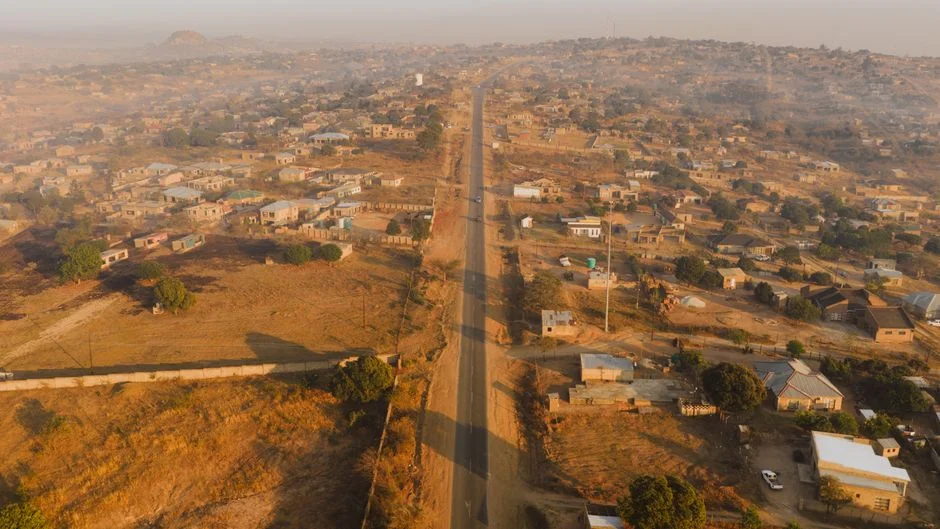
In Johannesburg, police established checkpoints near informal settlements where migrant communities have reported previous incidents of harassment. Officials said they were working closely with community policing forums to identify threats before they materialise. The South African Police Service issued a statement urging protest organisers to conduct their marches peacefully while affirming citizens' constitutional right to assembly.
Regional Governments Monitor Situation
Malawian officials said they were closely tracking developments amid concerns for Malawian nationals living and working in South Africa. The Malawian High Commission in Pretoria indicated it had communicated with citizens through community networks, advising them to exercise caution during the protest period. A statement from Lilongwe expressed hope that South African authorities would fulfil their obligation to protect all residents regardless of nationality.
Relations between South Africa and its neighbours have occasionally strained over the treatment of migrants. In previous years, labour disputes and economic downturns have triggered backlash against foreign nationals. The current protests appear driven by similar grievances, including perceptions that immigrants take jobs and strain public services. Home Affairs officials have defended recent efforts to process permit applications and tighten border controls, arguing that existing legal frameworks already address many concerns raised by protesters.
Civil Society Warns of Consequences
Human rights organisations have urged the government to take proactive steps to shield vulnerable communities. The African Diaspora Forum, which represents immigrant groups in several South African cities, called for clear communication from authorities about where protests would occur and what resources would be available for those who feel threatened. Representatives said some families had already begun making contingency plans, including temporarily relocating away from areas with large protest gatherings.
Local media reported that organisations providing legal assistance to migrants had seen increased requests for advice in recent days. Shelters in Cape Town and Durban confirmed they were prepared to accommodate anyone who needed a safe place to stay. Church groups and non-governmental organisations coordinated their response, establishing hotlines for reporting incidents and offering translation services for non-English speakers seeking help.
Economic Context Fuelling Tensions
South Africa continues to grapple with unemployment rates that hover near 30 percent, creating fierce competition for formal sector jobs. Economists have noted that immigrants often fill gaps in sectors such as agriculture, construction, and domestic work, sometimes at lower wages. Critics of immigration policy argue this dynamic suppresses earnings for South African workers, while supporters counter that migrants contribute significantly to economic output and tax revenue.
The current wave of organising follows several months of public debate about irregular migration at the country's northern borders. Data from the Department of Home Affairs indicates that officials have increased arrests for undocumented entry, with operations in Limpopo and Mpumalanga provinces resulting in thousands of repatriations this year. Activists have criticized these enforcement actions as counterproductive, arguing they disrupt legitimate economic activity and damage regional trade relationships.
What Happens Next
The main demonstrations are expected to proceed this weekend, though some organisers have indicated they may shift routes or timing in response to official requests. Security forces will remain on high alert through the end of June, according to police leadership. Community groups plan to monitor the situation and document any violence or property damage for potential legal action.
Observers say the government's handling of the protests could set a precedent for how South Africa manages future disputes over immigration. Foreign governments will be watching closely, particularly those with large diasporas in the country. The outcome may also influence upcoming parliamentary debates about proposed amendments to immigration legislation, which have languished in committee for months. For now, officials are focused on getting through the protest period without a repeat of past tragedies.
See Also
- Ocean Conservation Group Exposes 'Alarming' Microplastics Levels Across Africa
- South Africa's Property Market Faces Deepening Divisions and Ageing Infrastructure
Critics of immigration policy argue this dynamic suppresses earnings for South African workers, while supporters counter that migrants contribute significantly to economic output and tax revenue. Data from the Department of Home Affairs indicates that officials have increased arrests for undocumented entry, with operations in Limpopo and Mpumalanga provinces resulting in thousands of repatriations this year.