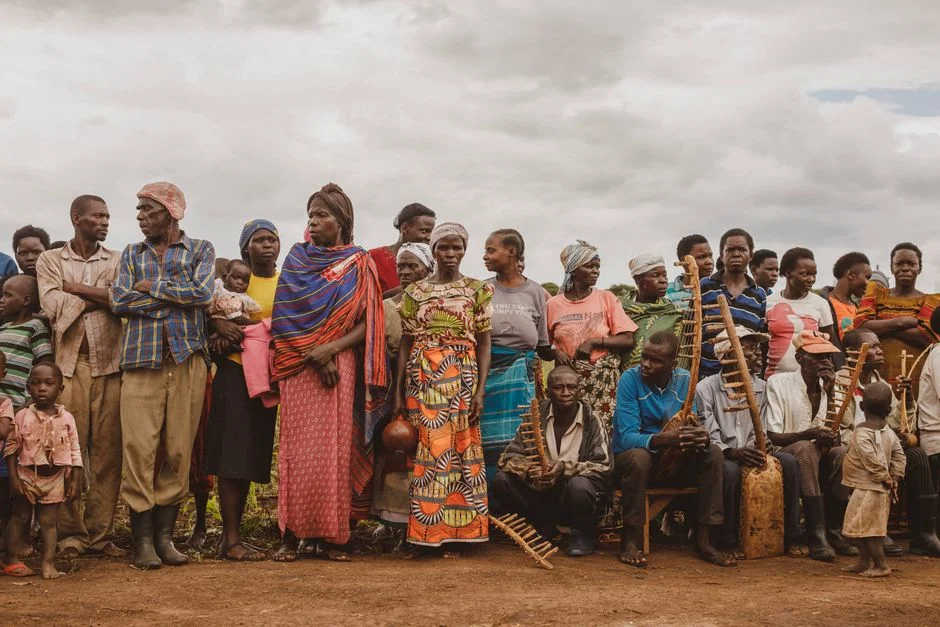
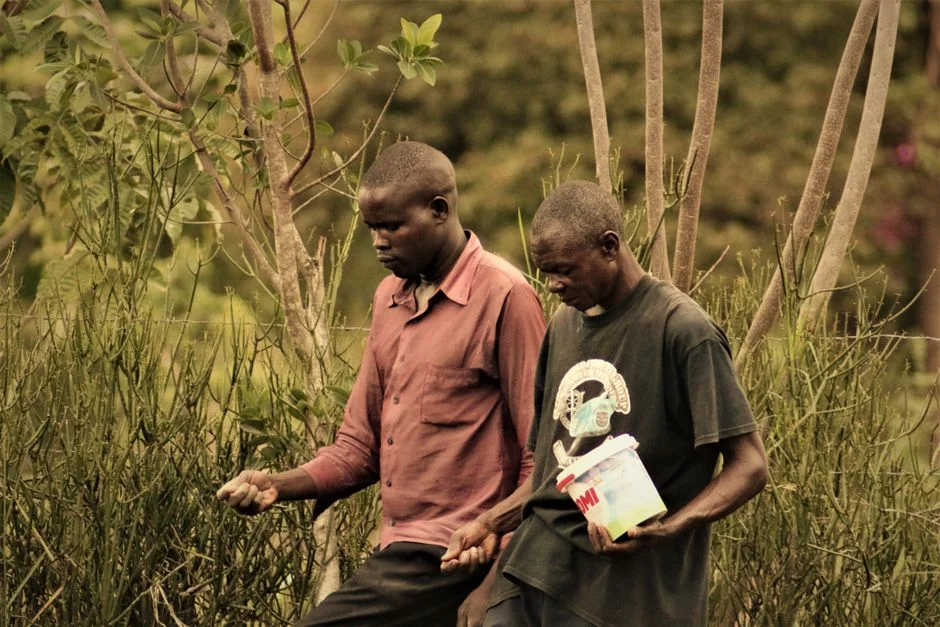
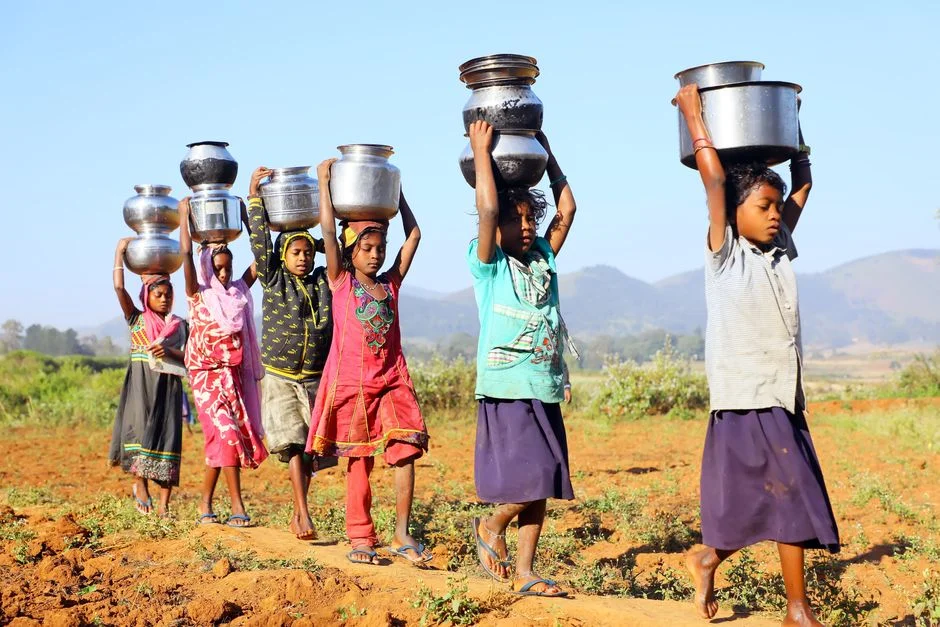
Ethiopia announced a renewed commitment to supporting refugee self-reliance during a high-level meeting in Addis Ababa, with High Commissioner Barham Salih endorsing the country's revised approach to integrating displaced populations into local economies and social structures.
Government Signals Shift in Refugee Policy
The Ethiopian government unveiled plans to expand programmes that enable refugees to access employment, education, and business opportunities without requiring formal citizenship status. Officials described the initiative as a departure from traditional humanitarian aid models toward sustainable community integration. The announcement came during a ceremony attended by representatives from international organisations and donor governments.
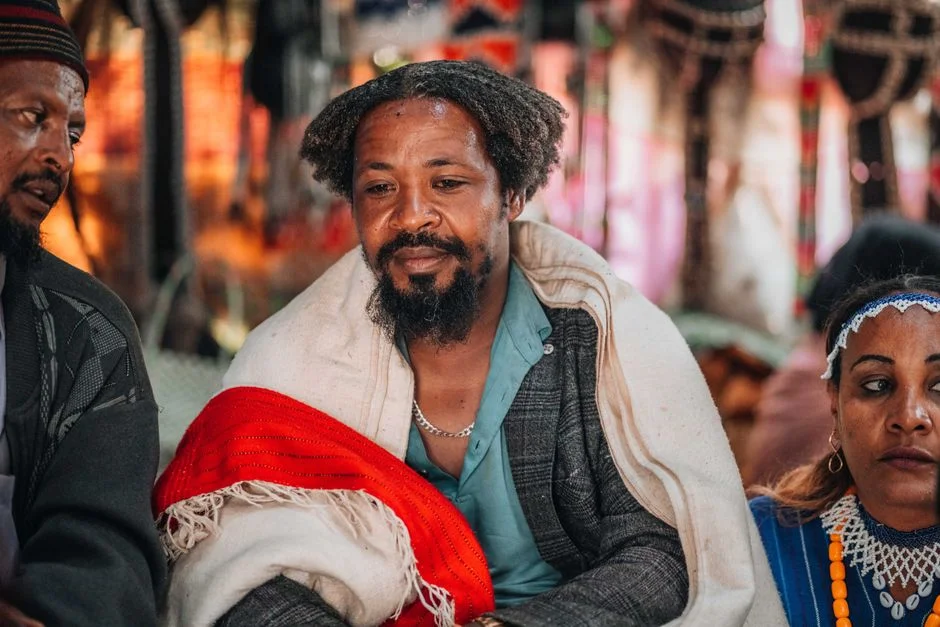
Authorities indicated the new framework would cover refugees residing in camps and urban areas across multiple regions of the country. Local governors in Gambella, Somali, and Afar regions—areas hosting large refugee populations—will coordinate implementation with federal ministries.
International Backing for the Initiative
High Commissioner Barham Salih voiced support for Ethiopia's approach, describing it as a model for other nations hosting large refugee populations. His endorsement carries weight given Iraq's own experience managing displacement crises following years of conflict.
The United Nations High Commissioner for Refugees typically leads global efforts on refugee protection, though the event summary identifies Barham Salih—a role more commonly associated with Iraq's executive leadership—in this context. Officials present confirmed donor nations had already pledged financial support for specific programme components.
Funding and Resource Commitments
Donor representatives attending the event confirmed commitments to fund vocational training centres planned for three locations. The centres aim to serve both refugee and host community members, addressing potential tensions over resource competition in areas with high displacement concentrations.
International non-governmental organisations operating in Ethiopia will partner with the government to deliver skills programmes targeting sectors including construction, agriculture, and information technology.
Scale of Displacement in Ethiopia
Ethiopia currently hosts several hundred thousand registered refugees and asylum seekers, according to data from the UN refugee agency. The population includes individuals fleeing conflict in neighbouring South Sudan, Somalia, and Eritrea. Camps in the eastern and western border regions have operated for decades, though funding shortfalls have repeatedly strained humanitarian operations.
The new self-reliance framework arrives as international attention on Ethiopian displacement has intensified. Humanitarian organisations have reported difficulties meeting basic needs in overcrowded camps, prompting calls for longer-term solutions beyond emergency assistance.
Local Integration Challenges
Refugees in Ethiopia have historically faced restrictions on formal employment and movement outside designated camp areas. Legal reforms passed in recent years created pathways for some groups to work legally, but implementation has remained inconsistent across regions.
Business owners in towns adjacent to camps told local media they supported expanded rights for refugees, citing labour shortages in sectors such as construction and retail. Others expressed concern that relaxed restrictions could depress wages for Ethiopian workers in already-underserved local economies.
What Comes Next
The government expects the first vocational training centres to open within six months, pending completion of site assessments and contractor agreements. Officials said a progress report would be shared with international donors at the end of the current fiscal year.
Refugee advocacy groups said they would monitor implementation closely, particularly in areas where local resistance to integration has been documented. The effectiveness of the programme could influence whether Ethiopia adjusts its legal framework further to expand or restrict refugee rights.
See Also
- UK Meningitis Outbreak Sparks Urgent Health Warnings for Indian Students
- Outgunned Exposes Child-Hunting Gang in Angola: What This Means for Nigeria's Film Industry