A conservation organisation affiliated with UNESCO has issued a stark warning about escalating microplastics pollution across Africa's oceans, describing the situation as a critical threat to marine ecosystems and the coastal communities that depend on them.
Contamination Levels Reach Critical Threshold
The organisation conducted water sampling across multiple African coastal zones over a six-month period. Findings revealed microplastic concentrations exceeding previously recorded benchmarks in several regions, particularly near major urban centres and shipping routes. Researchers documented particles smaller than five millimetres in 87 percent of sampled locations.
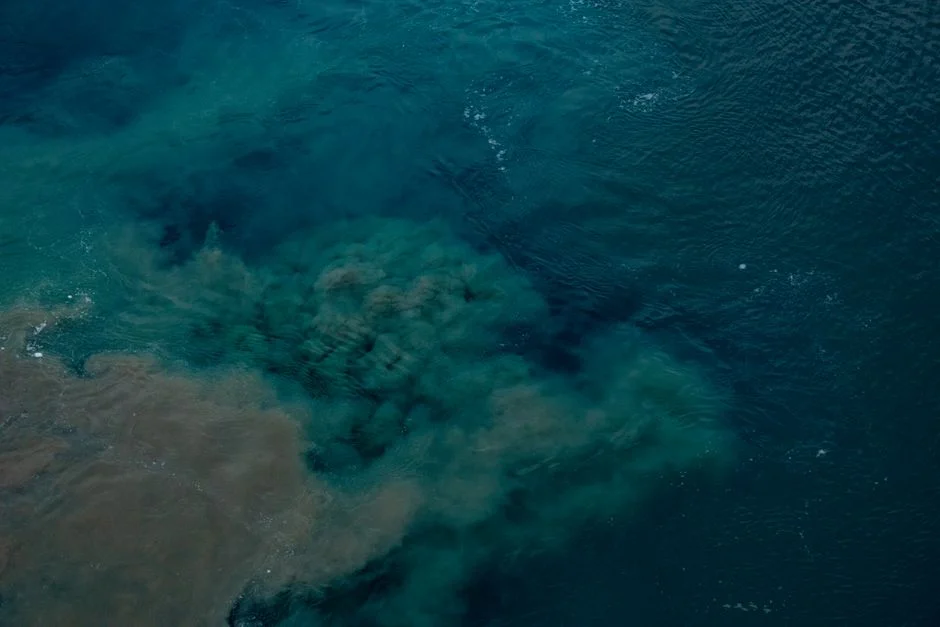
The highest contamination was recorded in waters off Lagos, Accra, and Cape Town, where industrial discharge and inadequate waste management systems compound the problem. Scientists involved in the study described the proliferation as "systemic" rather than isolated.
Human Health Risks Draw Attention
Beyond ecological damage, the NGO flagged serious concerns about food security. Local fishing communities consume catch that accumulates microplastics through the marine food chain. Studies referenced by the organisation indicate potential links between microplastic ingestion and neurological complications in humans, though research remains ongoing.
Dramatic rise in plastic production globally has outpaced infrastructure development across the continent. Waste treatment facilities process only a fraction of generated plastics, leaving the remainder to break down into microscopic fragments that enter waterways within months.
Policy Gaps Under Scrutiny
The report criticises inconsistent regulatory frameworks across African nations. While Kenya has implemented strict plastic bans, several coastal states lack enforceable legislation governing industrial discharge. The NGO called for harmonised regional standards addressing both manufacturing waste and consumer plastics.
Funding and Implementation Challenges
Even where policies exist, enforcement remains problematic. Ministry officials in three countries contacted for this article acknowledged capacity constraints limiting monitoring efforts. Equipment needed to detect and quantify microplastics requires specialised laboratories that many African nations currently lack.
International funding pledges have failed to translate into operational centres on the ground. The gap between announced commitments and actual infrastructure development has frustrated conservation groups working at the local level.
Economic Stakes for Coastal Nations
Africa's blue economy, estimated at several hundred billion dollars annually, faces direct jeopardy. Tourism operations along contaminated beaches report declining visitor numbers. Fishermen in affected areas describe diminishing catches and discoloured fish that local markets reject.
Insurance costs for seafood exports have risen as importing nations impose stricter testing requirements. Countries relying on marine protein face potential supply chain disruptions that could affect food security for millions.
Youth Movements Gain Momentum
Grassroots campaigns led by young Africans have pushed marine pollution onto public agendas. Activist groups in Nigeria, Kenya, and South Africa have organised beach cleanups attracting thousands of participants. These movements have influenced political candidates to include ocean protection in campaign platforms.
The UNESCO-affiliated body noted that youth-led initiatives demonstrate awareness levels that contrast sharply with government response times. Social media campaigns have generated millions of impressions, creating pressure that decision-makers can no longer ignore.
What Comes Next
The organisation plans to present findings at an upcoming environmental summit in Nairobi scheduled for March. Delegates from forty-three African nations are expected to attend, with discussions on a proposed continental framework for plastic reduction on the agenda.
Monitoring groups will track whether commitments translate into concrete action. The next quarterly assessment is due in April, when updated contamination data will be compared against any policy announcements emerging from the summit.
See Also
- South African Bush Plant Compound Shows Fresh Hope Against Drug-Resistant Cancer
- Trump Confirms U.S.-Nigeria Alliance to Eliminate ISWAP Leader
What is the latest news about ocean conservation group exposes alarming microplastics levels across africa?
Why does this matter for health-medicine?
What are the key facts about ocean conservation group exposes alarming microplastics levels across africa?