The cost of living in Nigeria has surged dramatically, leading workers to confront the worst economic crisis in a generation. With inflation hitting an alarming rate of 22.79% in August 2023, many in the workforce are struggling to afford basic necessities. These pressures have prompted calls for urgent governmental intervention to alleviate the burden on citizens.
Workers Face Unprecedented Challenges
In Lagos, Nigeria's commercial capital, workers across various sectors are grappling with skyrocketing prices. Essential goods, including food and fuel, have seen significant increases. For instance, the cost of a litre of petrol rose from 170 naira to 300 naira within a few months, draining the already strained budgets of many families.
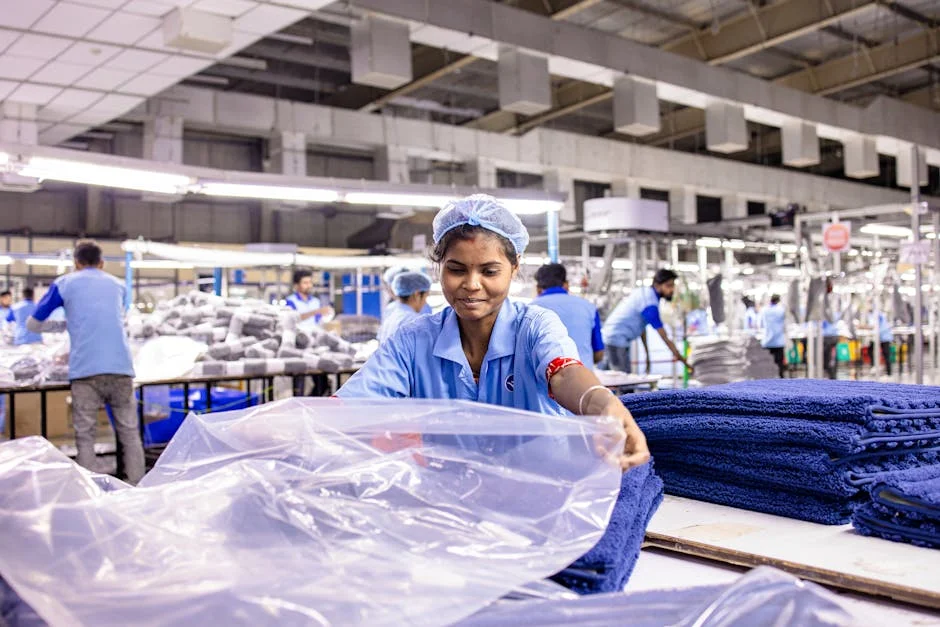
The International Labour Organization (ILO) has highlighted the plight of Nigerian workers, emphasising that wages have not kept pace with rising costs. This growing disparity threatens to reverse progress made towards achieving Sustainable Development Goal 8, which aims to promote decent work and economic growth.
Government Response and Worker Sentiment
In response to the mounting crisis, the Nigerian Labour Congress (NLC) has begun organising protests demanding fair wages and better working conditions. NLC President Joe Ajaero stated, "Workers cannot continue to bear the brunt of an economic situation that they did not create. We need the government to take decisive action to protect livelihoods." This sentiment resonates with many who feel neglected as their purchasing power diminishes.
The government has proposed various measures, including subsidies for essential goods and a review of the minimum wage. However, the effectiveness of these measures is yet to be seen, and many workers remain sceptical about the promised changes.
Continental Implications and Opportunities
This crisis is not isolated to Nigeria; it reflects broader challenges faced by many African nations. Rising inflation rates across the continent pose threats to economic stability and development. According to the African Development Bank, over 40% of Africans live on less than $1.90 a day, with recent economic shocks exacerbating this issue.
However, the current situation also presents an opportunity for African unity and collaboration. Countries can share best practices in economic management and support one another in implementing effective policies aimed at combating inflation and promoting sustainable growth.
Looking Ahead: What to Expect
As the situation unfolds, Nigerian workers and their advocates will be closely monitoring the government's actions and the effectiveness of proposed reforms. The NLC has announced plans for a nationwide strike if their demands are not met by the end of the month.
Looking forward, observers will be watching for potential policy changes that address the cost-of-living crisis. The upcoming national budget presentation in November 2023 will be a crucial moment for the government to outline its financial strategy and commitment to supporting workers through these challenging times.
See Also
- Porto Beats Benfica in Voleibol Showdown — Sets National League Race in Motion
- Visa Unveils AI-Driven Crypto Solutions for South Africans — A New Era in Payments
However, the effectiveness of these measures is yet to be seen, and many workers remain sceptical about the promised changes.Continental Implications and OpportunitiesThis crisis is not isolated to Nigeria; it reflects broader challenges faced by many African nations. We need the government to take decisive action to protect livelihoods." This sentiment resonates with many who feel neglected as their purchasing power diminishes.The government has proposed various measures, including subsidies for essential goods and a review of the minimum wage.
What is the latest news about nigerian workers demand action amid worst costofliving crisis in a generation?
Why does this matter for economy-business?
What are the key facts about nigerian workers demand action amid worst costofliving crisis in a generation?