A tragic train collision in Bekasi, Indonesia, has claimed the lives of at least 11 people, with dozens more injured. The incident occurred on the outskirts of Jakarta, a major transit hub, impacting the daily lives of thousands of commuters on October 18, 2023. This devastating event has reignited global discussions around rail safety and infrastructure management.
Details of the Bekasi Accident
The collision involved a passenger train and a freight train on a busy commuter line. The Indonesian Ministry of Transportation has already launched an investigation to ascertain the cause of the crash. Bekasi, located in West Java, is home to more than 2.5 million residents who rely heavily on rail transport for their daily commute.
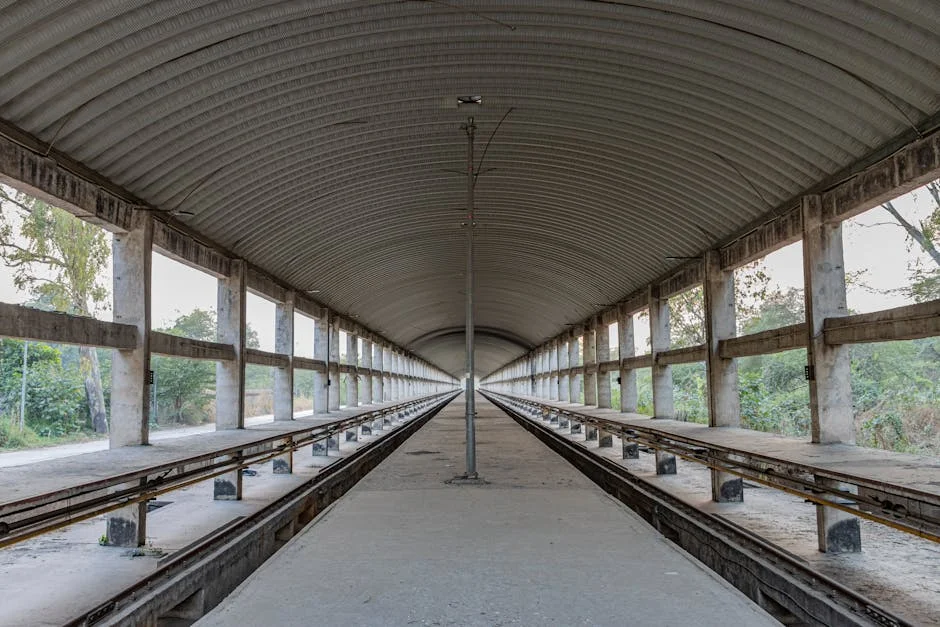
According to Indonesian Railways, the collision resulted from a possible signalling error that is currently under scrutiny. The crash site has become a focal point for emergency response teams and media coverage, with the BBC providing live updates from the scene.
Implications for Nigerian Infrastructure
This unfortunate incident in Indonesia offers crucial lessons for Nigeria and other African nations working towards improving their transportation infrastructures. Nigeria's burgeoning population and growing urban centres like Lagos and Abuja require robust and safe transport solutions.
Investments in modern signalling systems and regular maintenance checks are vital. Nigeria's recent developments in rail infrastructure, such as the Lagos-Ibadan railway, need continuous attention to safety protocols to prevent similar tragedies.
How Indonesia's Challenges Reflect African Development Goals
Indonesia's current challenges highlight the universal need for resilient infrastructure, a cornerstone of the African Union's Agenda 2063. Reliable transport systems are essential for economic growth, enhancing trade, and improving quality of life.
As African nations like Kenya, Ethiopia, and South Africa work toward similar goals, learning from international experiences like Indonesia’s is crucial. These nations must focus on integrating cutting-edge technology and rigorous safety standards in their transport networks.
Next Steps and What to Watch
Indonesia is expected to release a comprehensive report on the crash's causes within the next few weeks, providing insights into necessary safety enhancements. Meanwhile, African governments should watch these developments closely, applying relevant findings to their ongoing infrastructure projects.
With global transportation safety under the spotlight, upcoming international forums on infrastructure may prioritize discussions on rail safety. Stakeholders in Africa are encouraged to attend these forums, ensuring that the continent's unique challenges and opportunities are part of the global conversation.
Frequently Asked Questions
What is the latest news about indonesia train crash kills 11 raises global transport safety concerns?
A tragic train collision in Bekasi, Indonesia, has claimed the lives of at least 11 people, with dozens more injured.
Why does this matter for economy-business?
This devastating event has reignited global discussions around rail safety and infrastructure management.Details of the Bekasi AccidentThe collision involved a passenger train and a freight train on a busy commuter line.
What are the key facts about indonesia train crash kills 11 raises global transport safety concerns?
Bekasi, located in West Java, is home to more than 2.5 million residents who rely heavily on rail transport for their daily commute.According to Indonesian Railways, the collision resulted from a possible signalling error that is currently under scru
Nigeria's recent developments in rail infrastructure, such as the Lagos-Ibadan railway, need continuous attention to safety protocols to prevent similar tragedies.How Indonesia's Challenges Reflect African Development GoalsIndonesia's current challenges highlight the universal need for resilient infrastructure, a cornerstone of the African Union's Agenda 2063. Nigeria's burgeoning population and growing urban centres like Lagos and Abuja require robust and safe transport solutions.Investments in modern signalling systems and regular maintenance checks are vital.