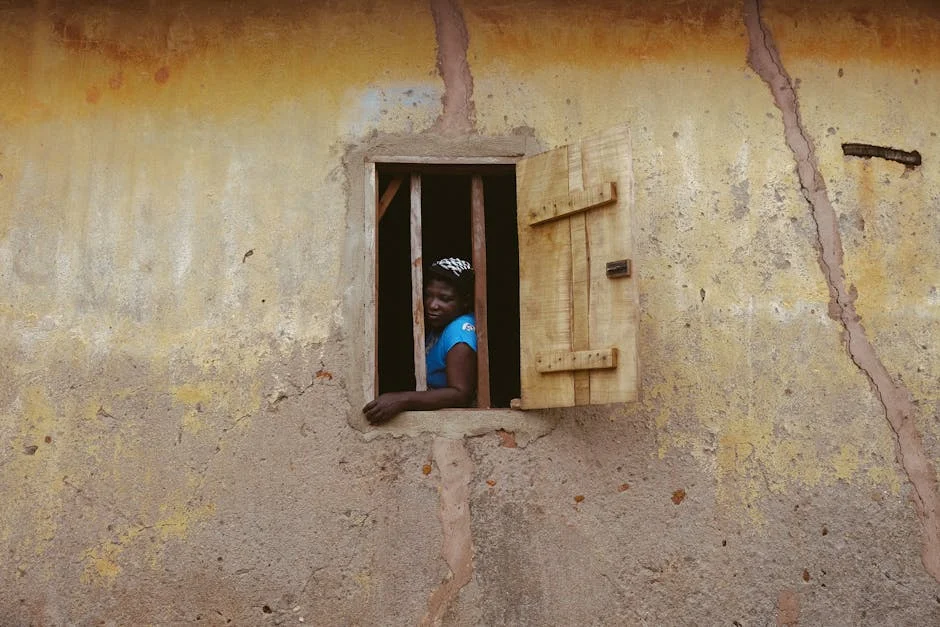
Cape Town faces a daunting housing crisis, with over 440,000 applicants waiting for homes. The backlog highlights the challenges of urban development in African cities. This issue, affecting one of South Africa's major urban centres, underscores the broader continental struggle to provide adequate housing amidst rapid urbanisation.
The Scale of the Crisis
The City of Cape Town has confirmed the staggering number of housing applicants, reflecting a dire need for improved infrastructure and sustainable urban planning. The situation is exacerbated by an annual population growth rate that outpaces the construction of new housing units. As a result, many families are forced to live in informal settlements, often lacking basic services.

According to the Western Cape Department of Human Settlements, the backlog is partly due to historical inequalities and insufficient resources to meet the current demand. The department, led by Minister Tertuis Simmers, is tasked with addressing this complex issue, but progress has been incremental.
Challenges Facing Urban Development
Rapid urbanisation across Africa presents both challenges and opportunities. Cities like Cape Town must balance the need for economic growth with sustainable development goals. The housing crisis also reflects broader issues such as unemployment and inadequate infrastructure, which are prevalent in many African nations.
Implications for African Development
Addressing Cape Town’s housing backlog aligns with several African development goals, including improving living conditions and reducing poverty. It also offers a chance to implement innovative housing solutions that could serve as a model for other cities facing similar challenges.
However, the financial and logistical hurdles are significant. Investment in public housing, coupled with policy reform, is crucial to making headway. Collaborative efforts between government, private sector, and international partners could accelerate progress.
Potential Solutions and Opportunities
Investing in affordable housing and developing partnerships with private investors could help alleviate the housing shortage. The government has been exploring mixed-use development projects that integrate residential, commercial, and community spaces to optimise land use.
Additionally, adopting sustainable building methods and materials could reduce costs and environmental impact. This approach is gaining traction across the continent as a way to meet housing needs while preserving natural resources.
Looking Ahead: What to Watch
The coming months will be critical as Cape Town authorities refine their strategies to tackle the housing crisis. Stakeholders are expected to convene for a major housing summit later this year, which could lead to significant policy shifts. Observers will be watching for concrete action plans and commitments from both the government and potential investors.
For now, the focus remains on addressing immediate housing needs while laying the groundwork for sustainable urban development, a challenge that echoes across many African cities.
Stakeholders are expected to convene for a major housing summit later this year, which could lead to significant policy shifts. The housing crisis also reflects broader issues such as unemployment and inadequate infrastructure, which are prevalent in many African nations.Implications for African DevelopmentAddressing Cape Town’s housing backlog aligns with several African development goals, including improving living conditions and reducing poverty.
What is the latest news about cape towns housing backlog leaves 440000 waiting what it means for africa?
Why does this matter for economy-business?
What are the key facts about cape towns housing backlog leaves 440000 waiting what it means for africa?