Angola has unveiled a new housing initiative aimed at addressing a severe shortage of affordable homes, with the government pledging to construct 100,000 units by 2025. The plan, announced by the Ministry of Housing and Urban Development, targets urban centres like Luanda, where over 70% of the population lives in informal settlements. The project is part of a broader effort to align with the African Union’s Agenda 2063, which prioritises inclusive growth and improved living standards across the continent.
The Housing Challenge in Angola
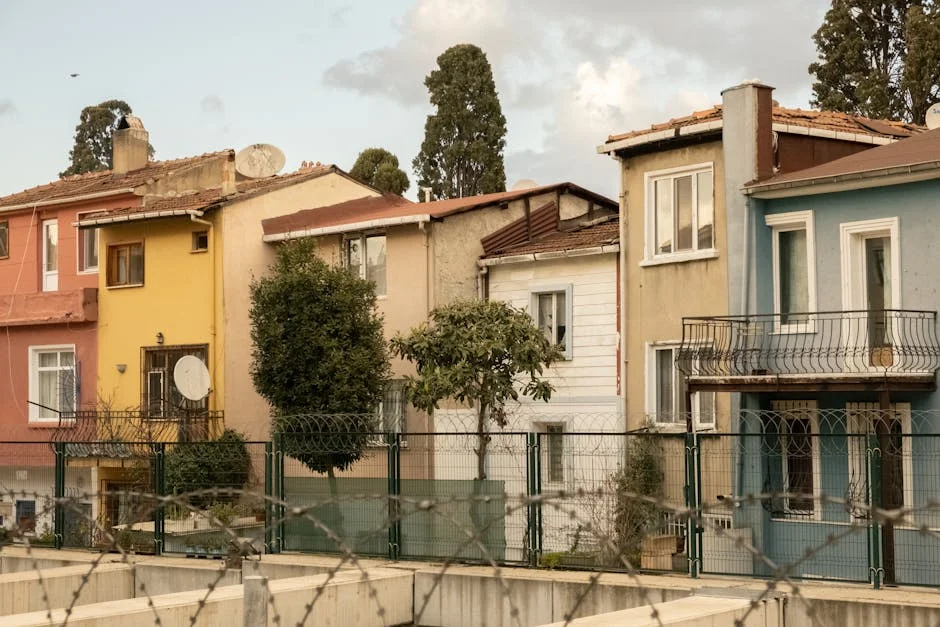
Angola’s housing crisis has worsened over the past decade, driven by rapid urbanisation and economic instability. According to the United Nations, more than 60% of Luanda’s residents live in slums, with limited access to clean water, electricity, and sanitation. The problem is exacerbated by a lack of investment in public housing, with private developers often prioritising luxury properties over affordable options.
“We cannot continue to ignore the needs of our people,” said Minister of Housing and Urban Development, Maria dos Santos. “This initiative is not just about building houses—it’s about creating sustainable communities.” The government has partnered with international organisations, including the African Development Bank, to secure funding and technical support for the project.
How the Plan Works
The new scheme will focus on constructing low-cost housing in three phases, starting in Luanda and expanding to other cities like Malanje and Lubango. Each unit will cost approximately $15,000, a fraction of the price of standard housing in the country. The government is also offering land to private developers who agree to build at least 20% of units for low-income families.
A key component of the plan is the introduction of a new housing subsidy programme, which will provide financial assistance to first-time buyers. The Ministry of Finance has allocated $250 million for the initiative, with additional funds expected from public-private partnerships. This approach is seen as a critical step in reducing inequality and improving urban living conditions.
Challenges and Opportunities
Despite the optimism, the project faces significant hurdles. Infrastructure in many parts of Angola remains underdeveloped, and corruption has long plagued public spending. Experts warn that without strong oversight, the housing plan could fail to deliver on its promises. “This is a good start, but we need to ensure transparency and accountability,” said Dr. João Ferreira, an urban development analyst at the University of Luanda.
On the other hand, the initiative could serve as a model for other African nations struggling with similar issues. By combining public investment with private sector participation, Angola has the potential to create a blueprint for affordable housing that other countries can replicate. The success of the project will depend on how effectively the government manages resources and engages with local communities.
Impact on African Development Goals
The initiative aligns with several Sustainable Development Goals (SDGs), particularly SDG 11, which calls for “sustainable cities and communities.” By improving access to housing, Angola is taking a step toward reducing poverty and inequality, both of which are central to the African Union’s Agenda 2063. The plan also supports economic growth by creating jobs in construction and related industries.
“This is not just about building houses—it’s about building futures,” said Minister dos Santos. “We are investing in the people who will drive Angola’s next phase of development.”
What Comes Next?
The first phase of the housing project is expected to begin in early 2025, with the first 10,000 units completed by the end of the year. The government has set a target of 50,000 units by 2026, with a focus on expanding to secondary cities where demand is growing. However, the success of the initiative will depend on continued funding and political will.
Readers should watch for updates on land allocation, construction progress, and the impact on local communities. The coming months will be critical in determining whether Angola can turn its housing ambitions into reality. As the country moves forward, the lessons learned from this initiative could have far-reaching implications for urban development across Africa.
See Also
- Sonatel's Revenue Surge: Implications for Africa's Development Goals
- Mokonyane Says Leaders Must Be Honest After Lekota's Passing - What It Means for Nigeria