The symposium 'Saramago ou o Cânone como Currículo' took place on October 15, 2023, in Lisbon, Portugal, spotlighting the works of celebrated Portuguese author José Saramago. This event has initiated discussions across Africa about integrating diverse literary canons into educational curricula, particularly in Nigeria, where educational reform is a pressing agenda.
Saramago's Influence on African Education
José Saramago, a Nobel Prize-winning author, is renowned for his profound narratives that delve into human existence and societal structures. His works are being considered for inclusion in African educational curricula to foster critical thinking and global awareness among students.
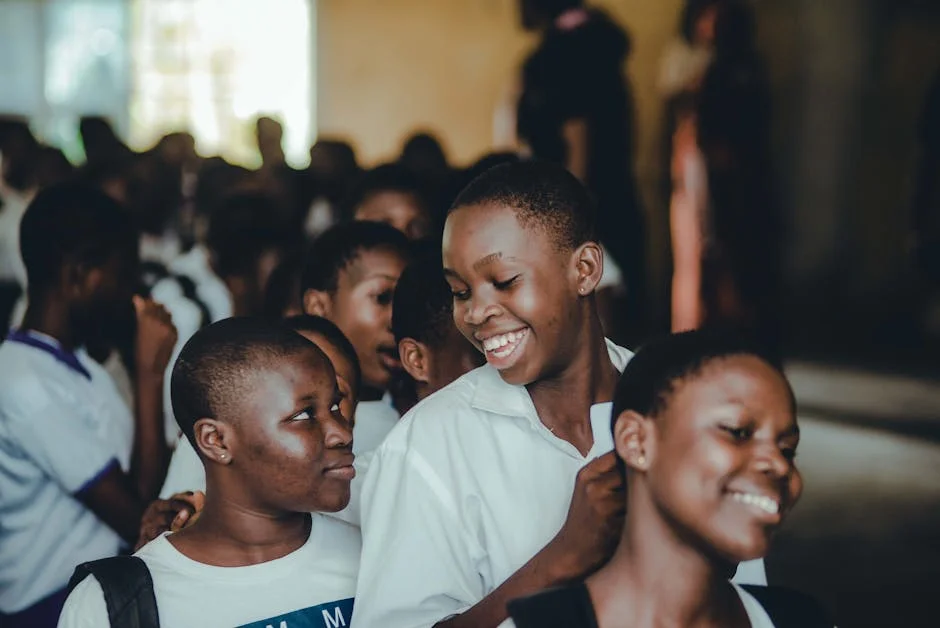
Nigeria, which has been grappling with educational challenges, sees this as an opportunity to enrich its curriculum with diverse perspectives. The Nigerian Ministry of Education has shown interest in this approach, citing the potential to enhance students' analytical skills and broaden their worldview.
Potential Impact on Educational Development
Integrating Saramago's literature into African curricula could significantly impact educational development by encouraging a more global outlook. This aligns with the African Union's Agenda 2063, which aims to transform Africa into a global powerhouse through education and innovation.
The symposium has influenced educational policy discussions in Abuja, with educationalists and policymakers evaluating the benefits of a more diversified curriculum. This move could also spur economic growth by equipping future generations with skills needed in a globalised world.
Challenges and Opportunities
While the inclusion of Saramago's works presents opportunities, challenges such as language barriers and resource allocation persist. Translating these works into indigenous languages and providing adequate training for teachers are necessary steps for successful integration.
Nonetheless, the potential benefits, including improved literacy rates and enhanced critical thinking skills, provide a compelling case for African nations to consider such educational reforms seriously.
Future Steps and What to Watch
As discussions continue, educational stakeholders across Africa are keenly observing Nigeria's next steps. The Nigerian Ministry of Education plans to pilot a programme that incorporates Saramago's works into secondary school curricula by early 2024.
Stakeholders are urged to monitor how this pilot programme unfolds, as its success could pave the way for broader educational reforms across the continent, offering a model for other African nations aiming to revitalise their educational systems.
Translating these works into indigenous languages and providing adequate training for teachers are necessary steps for successful integration.Nonetheless, the potential benefits, including improved literacy rates and enhanced critical thinking skills, provide a compelling case for African nations to consider such educational reforms seriously.Future Steps and What to WatchAs discussions continue, educational stakeholders across Africa are keenly observing Nigeria's next steps. This aligns with the African Union's Agenda 2063, which aims to transform Africa into a global powerhouse through education and innovation.The symposium has influenced educational policy discussions in Abuja, with educationalists and policymakers evaluating the benefits of a more diversified curriculum.