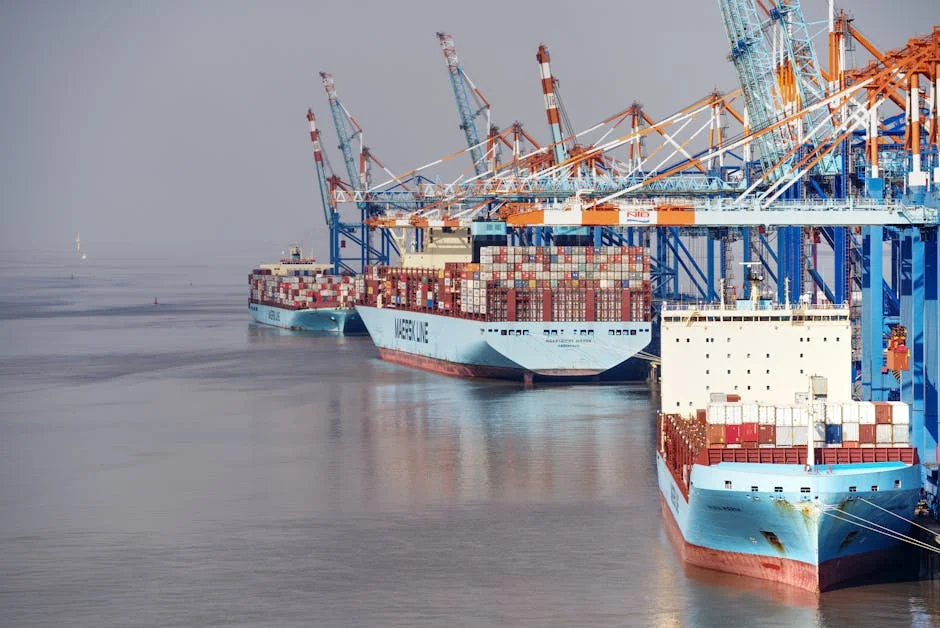
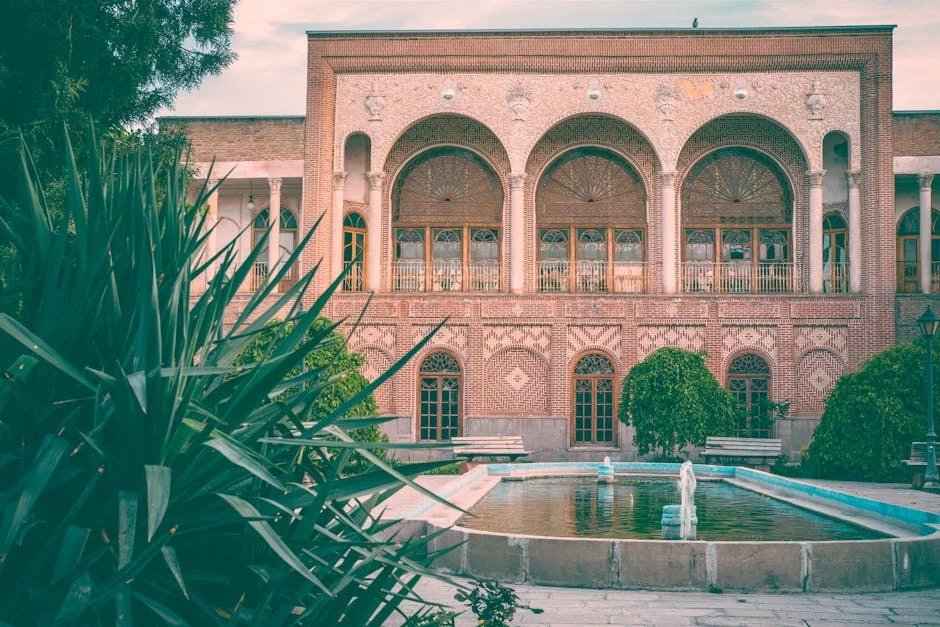
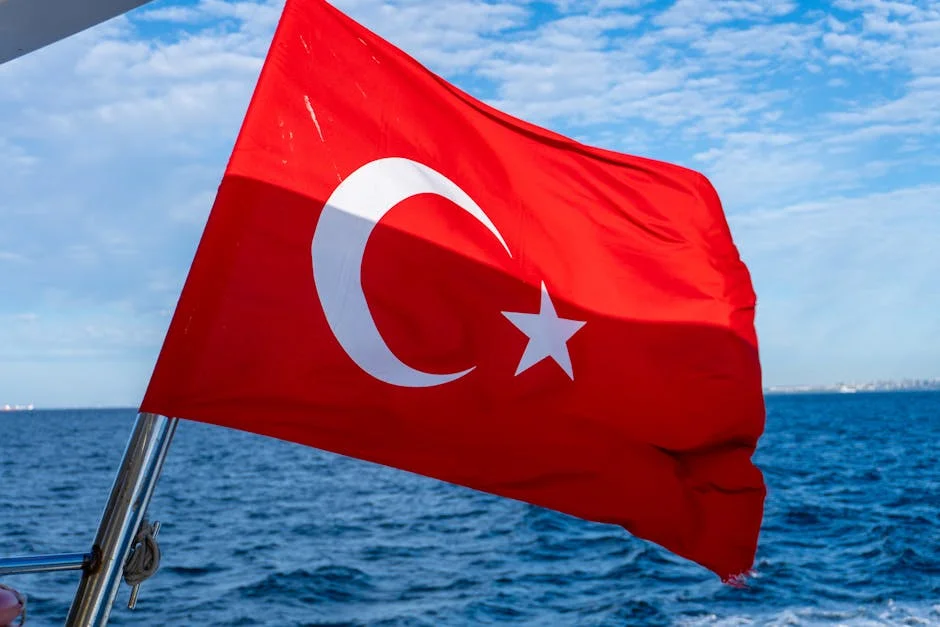
Pakistan has opened six new land routes to Iran, effectively bypassing the Hormuz blockade imposed by former U.S. President Donald Trump. This move, announced on October 14th, 2023, enhances Iran's access to international markets and challenges American sanctions. The Chabahar Port in southeastern Iran is one of the key locations benefiting from the new routes, potentially altering regional trade dynamics.
The Strategic Importance of Hormuz
The Strait of Hormuz is a critical chokepoint for global oil shipments, with approximately 20% of the world's petroleum passing through it. With the U.S. attempting to restrict Iran's oil exports, the opening of these land routes offers Tehran a crucial alternative. The strategic implications are vast, as it could recalibrate economic ties in the region and beyond.
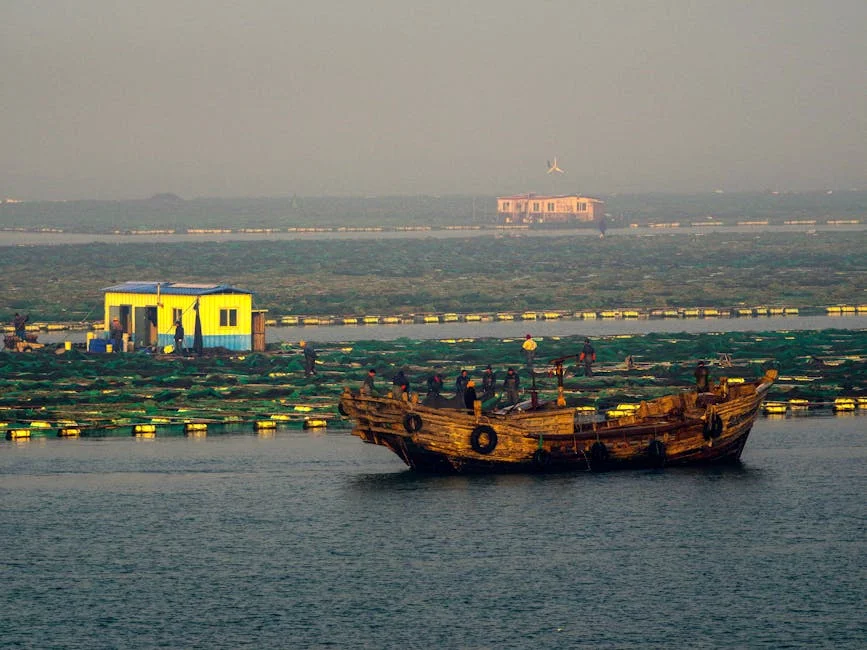
For African nations, especially oil importers like Nigeria, this development could mean new avenues for oil procurement, potentially easing the pressure on Nigeria's oil-dependent economy. Moreover, the diversification of Iran's export routes might result in more competitive pricing and stable supply chains for African markets.
Pakistan's Calculated Gamble
By establishing these routes, Pakistan aims to position itself as a regional trade hub, connecting Central Asia with the Middle East. Islamabad's decision reflects its intent to bolster its economic landscape amid growing regional competition. The move is partially driven by China's Belt and Road Initiative, which sees Pakistan playing a pivotal role in facilitating trade across Asia.
Implications for African Development
African countries can glean valuable lessons from Pakistan's assertive foreign policy and infrastructure investments. Efficient trade routes are essential for economic growth, and Africa's intra-continental trade could benefit from similar infrastructural developments. Collaborative projects that mirror the China-Pakistan Economic Corridor could strengthen economic integration across African nations.
Challenges and Opportunities
While the routes provide Iran with new opportunities, they also present challenges. Navigating geopolitical tensions, particularly with the U.S., will require diplomatic finesse from both Iran and Pakistan. However, the potential for increased trade with Iran opens new markets for African exports, especially in agriculture and textiles.
Moreover, the reduced dependency on the Strait of Hormuz for oil might provide African countries with more leverage in negotiating oil prices and terms, which could translate into economic benefits and improved energy security.
What to Watch Next
As these routes become operational, it will be crucial to monitor how they affect global oil markets and regional geopolitics. African nations should watch for shifts in oil pricing and availability, as well as opportunities for strategic partnerships with Iran and Pakistan. In the coming months, the success of this initiative could encourage similar infrastructural investments in Africa, potentially reshaping the continent's trade landscape.
The move is partially driven by China's Belt and Road Initiative, which sees Pakistan playing a pivotal role in facilitating trade across Asia.Implications for African DevelopmentAfrican countries can glean valuable lessons from Pakistan's assertive foreign policy and infrastructure investments. Efficient trade routes are essential for economic growth, and Africa's intra-continental trade could benefit from similar infrastructural developments.