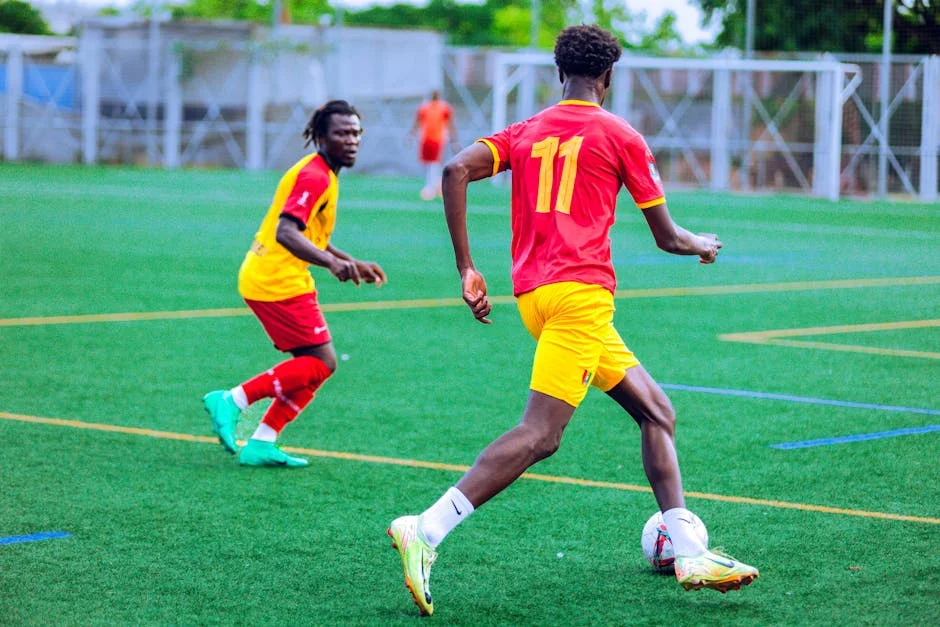
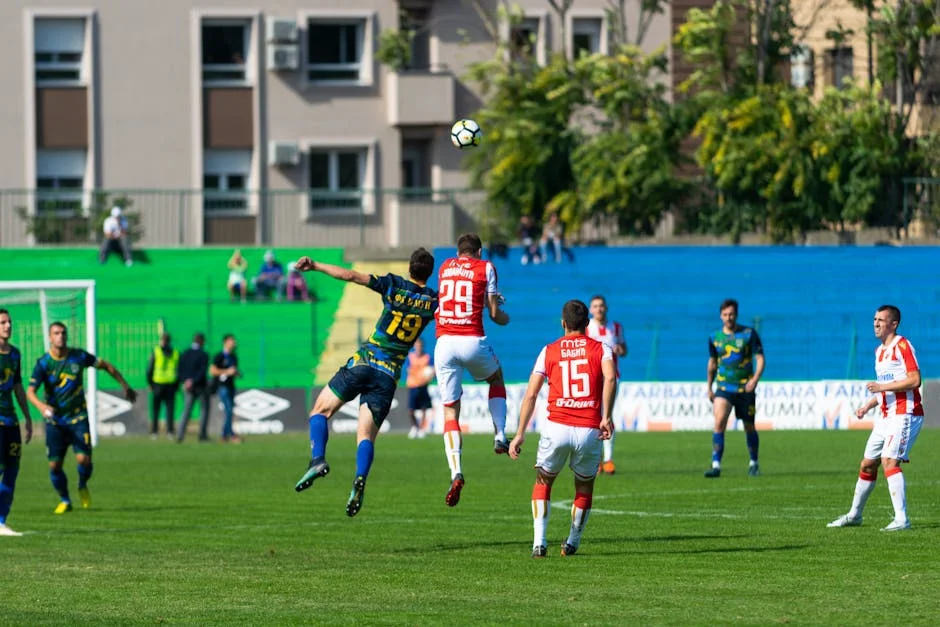
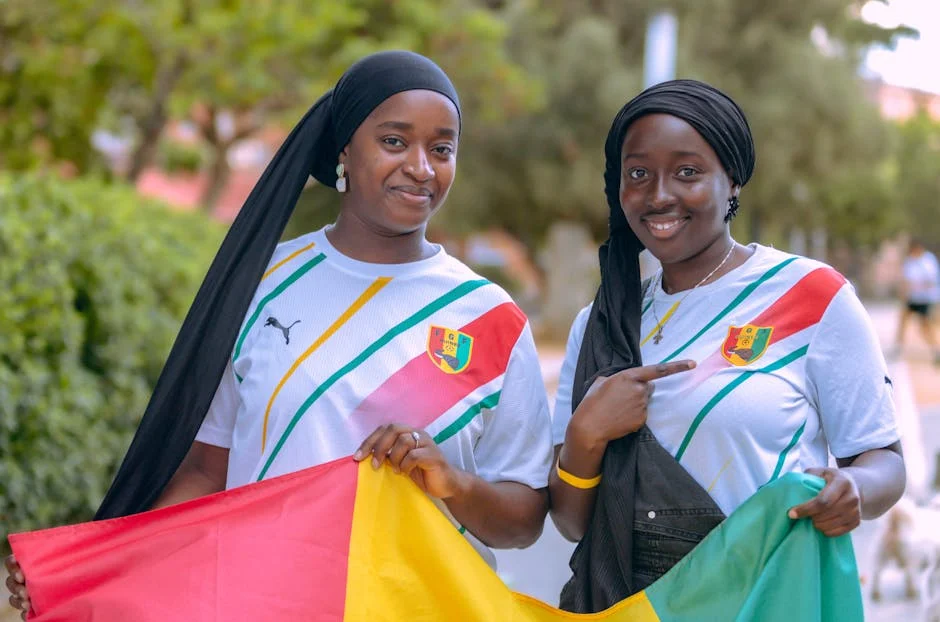
Donald Trump's special envoy has reportedly urged that Italy take Iran's place in the Mundial2026 tournament, sparking a conversation on the geopolitical implications and potential ripple effects across continents. The request, made public by the Financial Times on 21 October 2023, comes amid ongoing tensions between the United States and Iran.
Implications for African Teams
The proposal to replace Iran with Italy raises questions about how this decision could influence African teams. Africa has been striving to increase its representation in global sports events, aligning with its broader development goals of enhancing international presence and competitiveness. Italy's inclusion might recalibrate how African teams strategise their participation and collaboration with European teams.
With the Mundial2026 being an opportunity for showcasing talent, particularly from underrepresented regions, the shift from Iran to Italy could set a precedent. Africa's football community is keenly watching developments, aware that any change in participant dynamics could influence sponsorship, training exchanges, and talent scouting.
Geopolitical Context
Trump's proposition comes against a backdrop of strained US-Iran relations, with sports often serving as an extension of diplomatic narratives. By advocating for Italy, a long-time ally, the US seeks to maintain a firm stance against Iran, while simultaneously strengthening ties with European partners.
For African countries, the decision holds layers of complexity. Aligning with either side could affect trade relations, foreign aid, and diplomatic clout. Historical ties with both Western and Middle-Eastern nations leave Africa at a strategic crossroads, potentially impacting policy decisions beyond sports.
Economic and Developmental Impact on Africa
Beyond the football field, the inclusion of Italy over Iran could have economic implications for Africa. European nations, including Italy, have been significant investors in African infrastructure and development. The shifting dynamics in global sports alliances may influence future investment patterns, offering African nations new opportunities to negotiate partnerships.
Furthermore, African nations are focused on leveraging sports for economic growth, tourism, and youth development. The potential change in Mundial2026 participants could influence how African countries position themselves in sports diplomacy, aiming to attract more international events and investments.
Looking Ahead: What to Watch
The next steps remain uncertain, as discussions continue in the lead-up to the Mundial2026. African stakeholders will need to monitor diplomatic interactions and the broader geopolitical landscape. Key events to watch include upcoming FIFA meetings, where decisions about team participation could be finalised.
For African countries, a strategic approach will be necessary to balance sports aspirations with diplomatic and economic interests. As the world awaits final decisions, the continent's leaders may consider bolstering their sports diplomacy initiatives to ensure that Africa's voice remains influential in global forums.
Historical ties with both Western and Middle-Eastern nations leave Africa at a strategic crossroads, potentially impacting policy decisions beyond sports.Economic and Developmental Impact on AfricaBeyond the football field, the inclusion of Italy over Iran could have economic implications for Africa. European nations, including Italy, have been significant investors in African infrastructure and development.