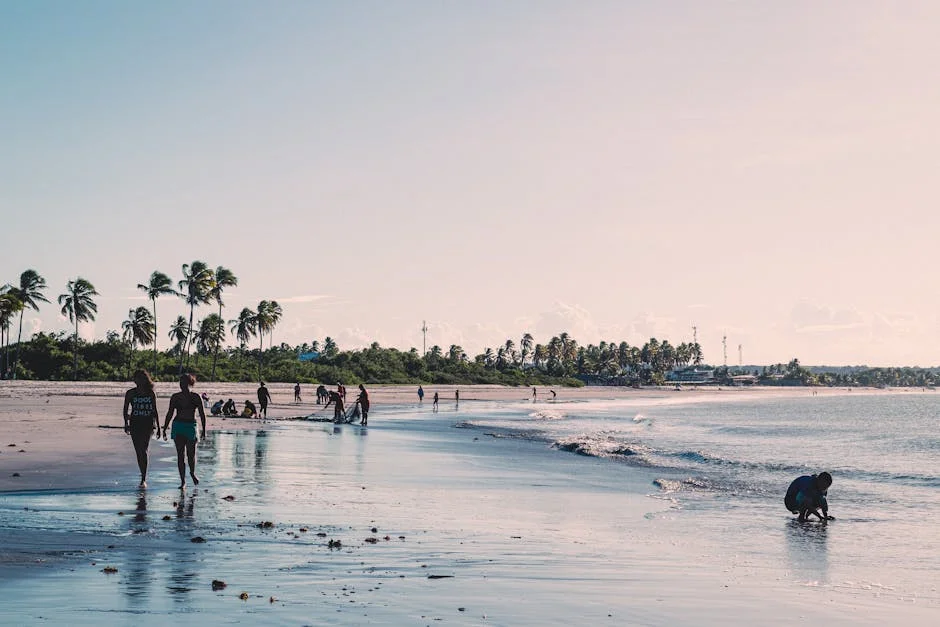
The Pacific Islands, a region heavily reliant on its rich tuna fisheries, is on the brink of a severe economic crisis due to climate change. Rising ocean temperatures and changing currents are threatening the Pacific tuna stocks, a critical resource that supports the livelihoods of millions and contributes significantly to the region's GDP.
Pacific Tuna: A Pillar Under Threat
Tuna fisheries in the Pacific are not just an economic pillar but a cultural mainstay. The industry is valued at around $5 billion annually, with countries like Papua New Guinea and the Solomon Islands heavily dependent on the trade. The Western and Central Pacific Fisheries Commission, a key player in the region, has raised alarms over potential future shortages.

Climate change is causing ocean temperatures to rise, altering the migratory patterns of tuna. A report by the Pacific Community (SPC) forecasts a 20% decrease in tuna stocks by 2050 if current trends continue. This decline threatens not only economic stability but also food security across the region.
Impact on African Development Goals
While the Pacific Islands seem worlds apart from Africa, the challenges they face offer crucial lessons for African nations. Africa's development goals, especially in terms of economic growth and food security, could be similarly hampered by climate change if proactive measures are not taken. The African Union's Agenda 2063 emphasises sustainable development, a commitment that necessitates learning from global climate impacts.
Many African countries, much like the Pacific Islands, depend on natural resources and agriculture. As the Pacific Islands struggle with depleted tuna stocks, African nations should consider how climate change might affect their own key resources like cocoa, coffee, and staple crops.
Strategies for Resilience
To mitigate these impacts, the Pacific Islands are exploring adaptive strategies. The Forum Fisheries Agency has suggested measures such as enhancing regional cooperation and investing in sustainable fishing practices. These strategies could serve as a blueprint for African countries looking to strengthen their own resilience against climate change.
Experts recommend diversifying economies to reduce dependence on a single resource. For instance, investing in sectors like tourism and renewable energy might offer Pacific Islands and African nations a buffer against environmental and economic challenges.
What to Watch Next
As climate change continues to alter global ecosystems, the Pacific Islands will likely serve as a bellwether for similar economies. The upcoming Pacific Islands Forum, scheduled for next March, will focus on sustainable development strategies in the face of climate change. African leaders and policymakers should monitor these discussions closely, considering potential applications to the continent's own development challenges.
Frequently Asked Questions
What is the latest news about pacific islands face economic hit as climate change threatens tuna stocks?
The Pacific Islands, a region heavily reliant on its rich tuna fisheries, is on the brink of a severe economic crisis due to climate change.
Why does this matter for environment-nature?
The industry is valued at around $5 billion annually, with countries like Papua New Guinea and the Solomon Islands heavily dependent on the trade.
What are the key facts about pacific islands face economic hit as climate change threatens tuna stocks?
A report by the Pacific Community (SPC) forecasts a 20% decrease in tuna stocks by 2050 if current trends continue.
As the Pacific Islands struggle with depleted tuna stocks, African nations should consider how climate change might affect their own key resources like cocoa, coffee, and staple crops.Strategies for ResilienceTo mitigate these impacts, the Pacific Islands are exploring adaptive strategies. The African Union's Agenda 2063 emphasises sustainable development, a commitment that necessitates learning from global climate impacts.Many African countries, much like the Pacific Islands, depend on natural resources and agriculture.