South Africa’s energy crisis has intensified a national debate on whether affordable power should take precedence over clean energy in the country’s push for net zero. With rolling blackouts crippling industries and households, the government faces mounting pressure to secure stable electricity sources, even if they rely on coal. This dilemma reflects broader challenges across the continent as African nations balance economic growth with environmental goals.
Coal’s Role in South Africa’s Energy Mix
South Africa’s energy sector has long depended on coal, which accounts for nearly 80% of its electricity generation. The state-owned utility, Eskom, has struggled with aging infrastructure and financial mismanagement, leading to frequent power cuts known as load-shedding. In 2023, the country experienced over 150 days of scheduled blackouts, disrupting businesses and worsening poverty in regions like Mpumalanga, home to many of the nation’s coal plants.
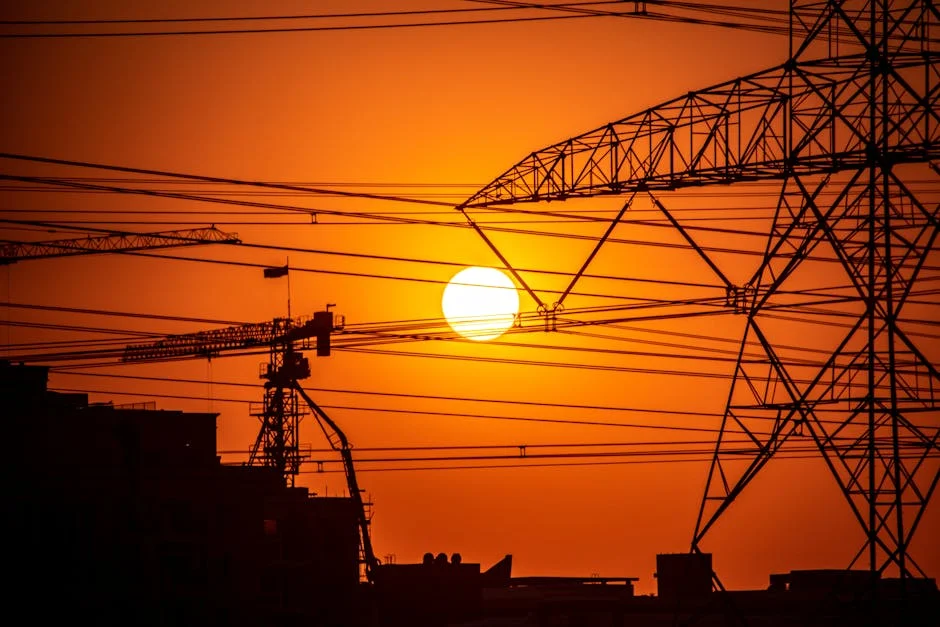
The debate over cheap versus clean power has gained urgency as South Africa aims to meet its 2050 net zero target. The country’s Climate Change Response Strategy, released in 2021, outlines a transition to renewable energy, but critics argue that coal remains essential for economic stability. “We can’t abandon coal overnight,” said Dr. Sipho Mthethwa, a senior energy analyst at the University of Cape Town. “The cost of switching too quickly could be too high for a developing economy.”
Renewable Energy Investments Face Hurdles
Despite the challenges, South Africa has made progress in renewable energy. The Renewable Energy Independent Power Producer Procurement Programme (REIPPPP) has attracted over $14 billion in private investment since 2011, adding more than 6,000 megawatts of solar and wind capacity. However, these projects often face delays due to bureaucratic hurdles and funding gaps. In 2023, the Department of Energy reported that only 45% of planned renewable projects were on track for completion by 2025.
The government has also faced criticism for its reliance on the 4,800-megawatt Kusile Power Station, one of the world’s largest coal-fired plants. Environmental groups argue that expanding coal infrastructure undermines global climate commitments. “South Africa’s energy policy is at a crossroads,” said Noma Ntuli, a climate campaigner with Greenpeace Africa. “The choice between cheap and clean power will shape the country’s future.”
Regional Implications for African Development
South Africa’s energy challenges mirror those of other African nations. Countries like Kenya and Morocco have made strides in renewable energy, but many still rely on fossil fuels for economic growth. The African Development Bank (AfDB) estimates that over 600 million people across the continent lack access to electricity, highlighting the need for affordable and reliable power.
The continent’s development goals, outlined in the African Union’s Agenda 2063, emphasize energy security and industrialization. However, the push for clean energy must be balanced with the need for economic development. “Africa cannot afford to be left behind in the global energy transition,” said Dr. Adebayo Adesina, AfDB President. “We need innovative solutions that support both growth and sustainability.”
Investing in Hybrid Solutions
Some experts suggest hybrid energy models could offer a middle path. South Africa’s Department of Energy has begun exploring partnerships with international firms to develop hybrid power plants that combine solar, wind, and coal. These projects aim to reduce emissions while maintaining energy stability. A pilot project in the Eastern Cape, supported by the World Bank, is set to launch in 2025 and could serve as a blueprint for other African nations.
Private sector involvement is also growing. Companies like Solar Africa and EDF Renewables are investing in grid-scale solar projects, while international investors are showing interest in green hydrogen initiatives. However, these efforts require strong policy frameworks and long-term commitments from governments.
What’s Next for Africa’s Energy Transition?
As South Africa and other African nations grapple with energy choices, the coming months will be critical. The country’s National Energy Policy review, expected in early 2025, could reshape its approach to coal and renewables. Meanwhile, the AfDB is set to release a new energy strategy in June, which may include greater support for clean energy projects.
The outcome of these decisions will have far-reaching implications. For Africa, the path to net zero is not just about reducing emissions—it’s about ensuring that energy policies support development, stability, and long-term prosperity. What matters most is how the continent balances these competing priorities in the years ahead.
See Also
- Llopis El's Magic Trick Sparks Debate on African Innovation
- Barroso Slams Sánchez's Position on Migration: A Grave Mistake for Spain
“We need innovative solutions that support both growth and sustainability.” Investing in Hybrid Solutions Some experts suggest hybrid energy models could offer a middle path. The African Development Bank (AfDB) estimates that over 600 million people across the continent lack access to electricity, highlighting the need for affordable and reliable power.
What is the latest news about south africas energy crisis sparks debate on cheap vs clean power?
Why does this matter for economy-business?
What are the key facts about south africas energy crisis sparks debate on cheap vs clean power?