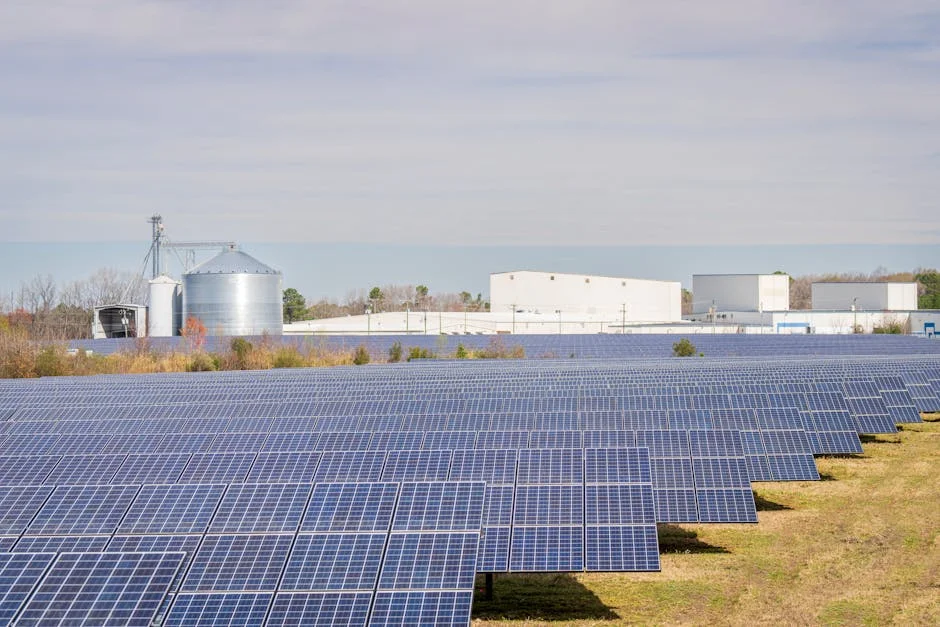
The Indian Minister for Power has set an ambitious 100-day target to provide six lakh Surya Ghar connections to Scheduled Caste and Scheduled Tribe households. This initiative, announced on Thursday in New Delhi, aims to enhance solar energy access for marginalized communities, potentially serving as a model for similar projects in African nations like Nigeria.
Surya Ghar Initiative: A Game Changer
Surya Ghar, a government-led solar energy initiative, focuses on bringing affordable and sustainable electricity to underserved areas. By targeting 600,000 connections for SC and ST households, the project aims to address electricity access disparities. New Delhi is the epicenter of this rollout, showcasing India's commitment to renewable energy.

This project aligns with African development goals, which emphasize renewable energy as key to sustainable economic growth. Nigeria, facing its own energy challenges, could find a blueprint in Surya Ghar for integrating solar solutions into its power grid.
Broader Implications for African Nations
The potential impacts of Surya Ghar extend beyond India. African countries grappling with electricity shortages may view this initiative as a template for addressing their own energy gaps. With similar demographics and developmental challenges, nations such as Nigeria can draw parallels and lessons from this project.
Notably, Nigeria could benefit from adopting aspects of this program, such as focusing on marginalized communities and leveraging solar energy to reduce dependence on fossil fuels. The introduction of six lakh connections in 100 days illustrates the scale at which renewable energy can be deployed, an example worth emulating.
Challenges and Opportunities
While the Surya Ghar initiative presents numerous opportunities, challenges remain. The logistics of installing such a vast number of solar connections within a short timeframe require significant coordination and resources. However, success could galvanize similar efforts in Africa, where logistical barriers often impede energy projects.
The involvement of private sector partners and international collaborations could enhance the feasibility of such ambitious projects. For countries like Nigeria, this could mean exploring partnerships with Indian firms experienced in solar technology deployment.
Looking Ahead: What to Watch
The next 100 days will be critical in assessing the success of the Surya Ghar initiative. Stakeholders in Africa, particularly in Nigeria, should monitor this project for insights into overcoming common obstacles in renewable energy deployment. The completion of this initiative could inspire new policies and projects aimed at achieving universal energy access across the continent.