Nigeria has recorded a 12% surge in renewable energy investment, marking a key milestone in its drive to meet the African Union’s Sustainable Development Goals (SDGs). The surge, reported by the Nigerian Electricity Regulatory Commission (NERC), comes as the country seeks to address chronic power shortages that have long hindered economic growth. The increase in funding reflects a broader regional shift towards clean energy, with the West African nation positioning itself as a leader in the continent’s energy transition.
Renewable Energy Investment Surges in Nigeria
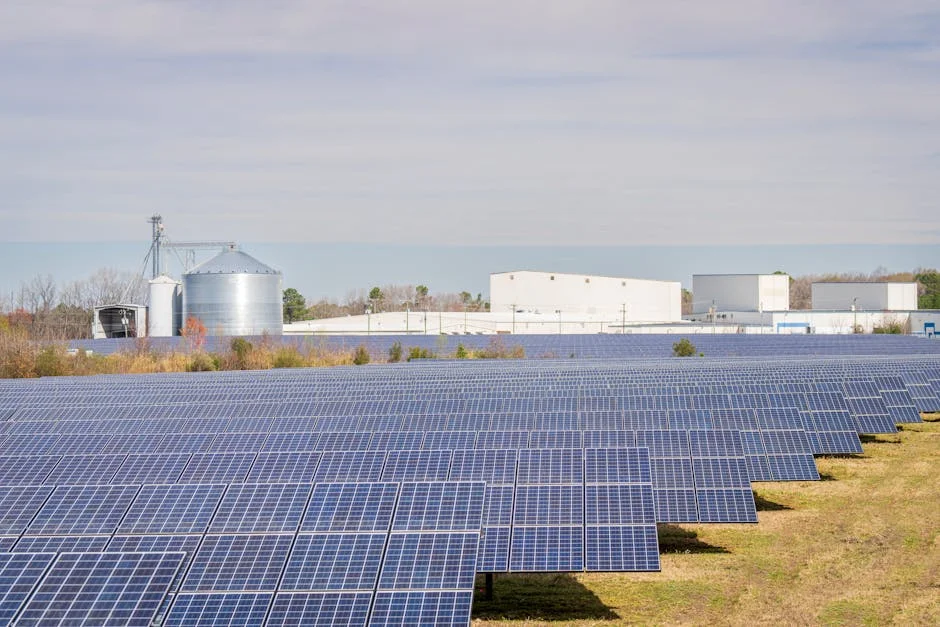
The Nigerian government, in collaboration with international partners, has prioritized renewable energy as a cornerstone of its economic recovery plan. According to NERC, solar and wind projects received over $500 million in new investments in 2024, a 12% increase from the previous year. This growth is part of a larger strategy to reduce reliance on fossil fuels and improve energy access for millions of Nigerians who currently lack reliable electricity.
The surge in investment aligns with the African Development Bank’s (AfDB) vision to expand clean energy across the continent. The AfDB has pledged $1 billion in funding for renewable projects in West Africa, with Nigeria being a major beneficiary. “This investment is not just about power — it’s about opportunity,” said Dr. Adebayo Adesina, AfDB’s regional director for West Africa. “It opens doors for education, healthcare, and business across the region.”
How Renewable Energy Impacts Nigeria’s Development
Access to reliable energy is a critical factor in achieving the UN’s SDG 7, which aims to ensure affordable and clean energy for all. Nigeria, home to over 220 million people, has struggled with inconsistent power supply, with only 55% of the population having regular access to electricity. The recent investment in renewables is expected to address this gap, particularly in rural areas where energy poverty remains a major barrier to development.
The government has also launched the National Renewable Energy and Energy Efficiency Policy (NREEEP), which sets a target of 30% renewable energy in the national grid by 2030. This policy is seen as a step toward achieving the African Union’s Agenda 2063, which emphasizes sustainable development and energy security across the continent. “Energy is the backbone of development,” said Minister of Power, Muyiwa Adetunji. “With more clean power, we can unlock economic potential and improve lives.”
Regional Implications and Pan-African Opportunities
Nigeria’s progress in renewable energy has broader implications for the African continent. As the most populous nation on the continent, Nigeria’s energy policies can influence neighboring countries, many of which face similar challenges. The success of solar and wind projects in Nigeria could serve as a model for other African nations seeking to reduce energy poverty and transition to sustainable power sources.
The African Union has recognized Nigeria’s efforts as part of a larger push for regional energy integration. Initiatives such as the West African Power Pool (WAPP) aim to connect national grids across the region, allowing for the sharing of renewable energy resources. “Nigeria’s leadership in this area is a game-changer,” said Dr. Naledi Pandor, former South African minister of international relations. “It sets a precedent for how African nations can work together to achieve common goals.”
Challenges and Next Steps
Despite the progress, challenges remain. Infrastructure gaps, regulatory hurdles, and limited private sector participation continue to slow the pace of renewable energy deployment. Additionally, the high cost of solar and wind technology remains a barrier for many communities. To address these issues, the government has announced plans to offer tax incentives and simplify licensing procedures for renewable energy projects.
- Expand access to solar home systems in rural areas
- Streamline regulatory approvals for energy projects
- Strengthen partnerships with international energy agencies
Looking Ahead: What to Watch Next
As Nigeria continues to invest in renewable energy, the coming months will be critical. The government is set to announce new funding mechanisms for clean energy projects by the end of 2024, with a focus on empowering local entrepreneurs and small-scale producers. Meanwhile, the African Union is expected to unveil a regional energy strategy that could further accelerate the continent’s transition to sustainable power.
For African development, the shift toward renewable energy is more than a technical challenge — it is a pathway to inclusive growth, job creation, and environmental sustainability. Nigeria’s progress serves as a beacon of hope, showing that with the right policies and investments, the continent can lead the global energy transition. Readers should closely monitor upcoming policy announcements and regional energy partnerships in the next quarter.
See Also
- Israel Unveils Next Phase of Military Operations — What It Means for African Stability
- School Assembly News Headlines Highlight March's Impact on Nigeria's Development Goals
See AlsoIsrael Unveils Next Phase of Military Operations — What It Means for African StabilitySchool Assembly News Headlines Highlight March's Impact on Nigeria's Development Goals Expand access to solar home systems in rural areasStreamline regulatory approvals for energy projectsStrengthen partnerships with international energy agencies Looking Ahead: What to Watch Next As Nigeria continues to invest in renewable energy, the coming months will be critical.
What is the latest news about nigeria sees 12 growth in renewable energy investment boosting regional goals?
Why does this matter for economy-business?
What are the key facts about nigeria sees 12 growth in renewable energy investment boosting regional goals?