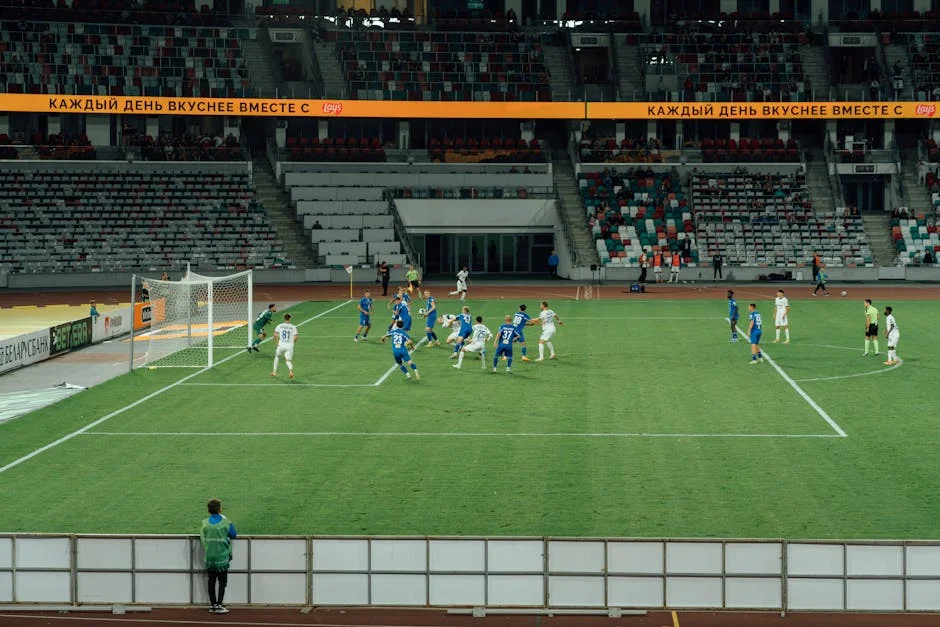
The controversial decisions made by Spanish officials involving Davies and Luis Díaz have sparked intense discussions across the footballing world, including Africa. These discussions focus on the technological and officiating standards that could shape the future of African football development. The incidents, involving a handball by Davies and an offside call on Luis Díaz, were reviewed by the Video Assistant Referee (VAR) system during a recent high-stakes match in Spain.
VAR Controversies and African Football
The introduction of VAR technology has been both praised and criticised globally. In the context of African football, many see it as a double-edged sword. On one hand, it offers the potential for fairer officiating, which is crucial for the credibility of leagues across Africa. On the other hand, inconsistent application and high costs pose challenges in the continent's adoption of such technology.

An example is Nigeria's domestic league, where the lack of advanced officiating technology is often cited as a barrier to international competitiveness. The recent issues involving Davies and Luis Díaz highlight the need for improved standards that could influence similar reforms in African leagues.
Economic and Educational Implications
Implementing VAR and other modern technologies in Africa requires significant investment. The cost, which can reach up to $500,000 per stadium, is a considerable burden for many countries. However, the potential for enhanced match accuracy could lead to greater international investments and partnerships.
Furthermore, the adoption of such technologies necessitates training and education for referees and technical staff. This opens up opportunities for educational programs that could uplift skills across the continent, aligning with broader African development goals in education and technology.
Impact on Governance and Policy
The governance of African football could also be affected by these developments. The Confederation of African Football (CAF) may face pressure to standardise VAR use across major competitions. This could enhance transparency and integrity in the sport, reflecting broader governance improvements that are part of Africa's development agenda.
For instance, policy shifts could lead to better oversight and regulation of football leagues, ensuring that they meet international standards and potentially boosting their global reputation.
Next Steps for African Football
As African countries look to the future, the fallout from the Davies and Luis Díaz incidents could serve as a catalyst for change. Key areas to watch include potential announcements from CAF regarding technology investments and partnerships that could support VAR implementation.
In the coming months, stakeholders in Nigerian football and other African leagues should keep an eye on developments in technology funding and educational initiatives. These will be crucial for advancing the sport while aligning with broader economic and governance goals on the continent.
Frequently Asked Questions
What is the latest news about davies var decisions in spain impact african football development?
The controversial decisions made by Spanish officials involving Davies and Luis Díaz have sparked intense discussions across the footballing world, including Africa.
Why does this matter for economy-business?
The incidents, involving a handball by Davies and an offside call on Luis Díaz, were reviewed by the Video Assistant Referee (VAR) system during a recent high-stakes match in Spain.VAR Controversies and African FootballThe introduction of VAR technol
What are the key facts about davies var decisions in spain impact african football development?
On one hand, it offers the potential for fairer officiating, which is crucial for the credibility of leagues across Africa.
This opens up opportunities for educational programs that could uplift skills across the continent, aligning with broader African development goals in education and technology.Impact on Governance and PolicyThe governance of African football could also be affected by these developments. The Confederation of African Football (CAF) may face pressure to standardise VAR use across major competitions.