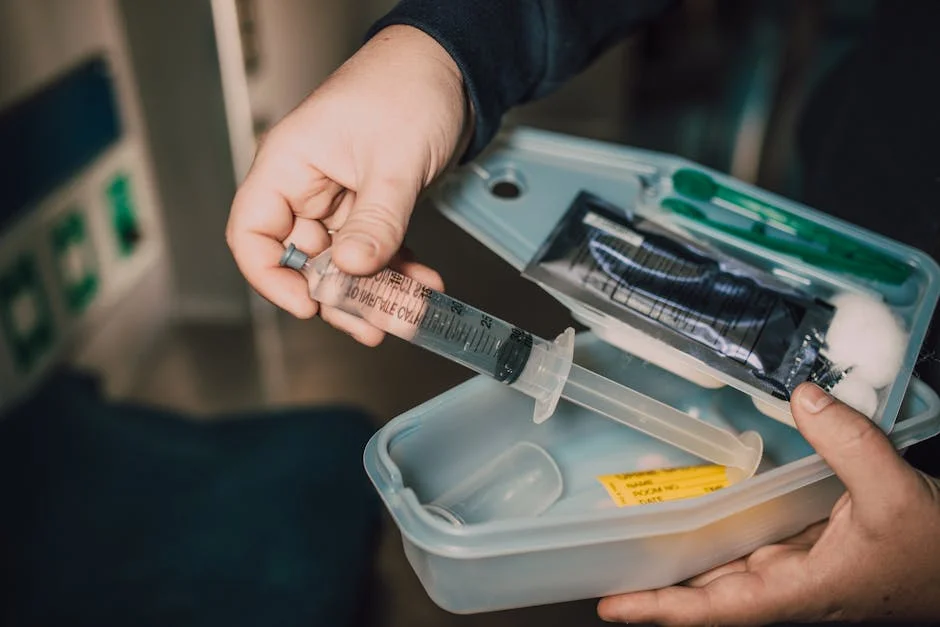
The Ebola virus has returned to the eastern Democratic Republic of the Congo, triggering a renewed wave of panic in Goma and surrounding regions. Health workers in North Kivu province are scrambling to contain the outbreak, which has already claimed dozens of lives in its early stages. This resurgence exposes the fragile state of public health infrastructure across the continent, challenging African development goals that prioritize resilience and economic stability.
Outbreak Intensifies in North Kivu
Health officials confirmed new cases of the Zaire ebolavirus in the bustling city of Goma, a major transit hub with a population exceeding two million people. The virus spread rapidly through crowded markets and public transport networks, catching local authorities off guard. Residents describe a scene of chaos, with long queues forming outside treatment centers and makeshift isolation units.

The World Health Organization (WHO) deployed rapid response teams to the region within 48 hours of the initial case confirmation. Dr. Matshidiso Moeti, the WHO Regional Director for Africa, emphasized the urgency of the situation in a press briefing from Geneva. She stated that the geographical location of Goma makes containment significantly more difficult than in previous outbreaks. The city serves as a gateway to Rwanda, Uganda, and the wider Great Lakes region.
Fear is palpable in neighborhoods like Kamango and Kayembe, where rumors often spread faster than the virus itself. Some residents have resorted to burning incense and wearing protective charms alongside medical masks. This blend of traditional belief and modern medicine reflects the complex social dynamics that health workers must navigate. Trust remains a critical component of any successful containment strategy.
Infrastructure Gaps Exposed
The current outbreak highlights critical weaknesses in the health systems of many African nations. While the DR Congo has made strides since the 2018-2020 Goma outbreak, funding cuts and political instability have eroded progress. Many clinics in rural North Kivu lack basic supplies such as gloves, thermometers, and even running water. These gaps undermine efforts to track contacts and isolate patients effectively.
Funding and Logistics Challenges
Financial constraints continue to plague health interventions across the continent. The Pan-African Response Fund, established after the West African Ebola epidemic, has seen fluctuating contributions from donor nations. This inconsistency affects the ability to maintain a standing rapid response team. Without stable funding, health systems remain reactive rather than proactive, often waiting for a crisis to hit before mobilizing resources.
Logistical hurdles further complicate the response. Poor road networks in eastern DR Congo mean that supplies can take days to reach remote villages. This delay allows the virus to spread silently before health workers arrive. The rugged terrain also makes it difficult for motorized ambulances, forcing reliance on motorbikes and even porters to transport patients and samples to laboratories.
Impact on Regional Economies
Economic activity in Goma has slowed considerably as businesses respond to the health crisis. Shop owners report a 30% drop in daily sales due to reduced foot traffic and consumer caution. The mining sector, a key driver of the regional economy, faces potential disruptions if workers begin falling ill or if travel restrictions tighten. Copper and coltan exports could see a temporary dip, affecting foreign exchange earnings for the DR Congo.
Travel between the DR Congo and its neighbors has become more complicated. Rwanda and Uganda have reinforced border controls, implementing temperature checks and health declarations for incoming travelers. These measures aim to prevent cross-border transmission but also create bottlenecks for traders and commuters. The Great Lakes region relies on free movement of goods and people, and any restriction can have ripple effects on regional integration efforts.
The tourism industry, which was just beginning to recover from the pandemic, also faces uncertainty. Safari operators in Virunga National Park, located near Goma, worry that negative headlines will deter international visitors. A prolonged outbreak could lead to cancellations and reduced investment in local tourism infrastructure. This sector is vital for job creation and community development in the eastern provinces.
Public Health Strategies in Action
Health workers are using a combination of modern technology and community engagement to fight the virus. Drone deliveries are being used to transport blood samples and vaccines to remote health posts, reducing the time it takes to get test results. This innovation, pioneered in Rwanda and adopted by the DR Congo, demonstrates how technology can bridge geographical divides. However, maintenance costs and technical expertise remain challenges for long-term sustainability.
Community health volunteers play a crucial role in educating the public and identifying potential cases. These volunteers, often selected from local neighborhoods, help build trust and encourage people to seek treatment early. They conduct door-to-door campaigns, explaining the symptoms of Ebola and the importance of vaccination. Their efforts are essential in countering misinformation and reducing stigma associated with the disease.
The vaccination campaign is targeting healthcare workers and their contacts first, using the ring vaccination strategy. This approach involves vaccinating people who have come into contact with infected individuals, creating a protective circle around the outbreak. The vaccine used is the rVSV-ZEBOV vaccine, which has shown high efficacy in previous outbreaks. However, supply chain issues could limit the number of doses available if the outbreak expands rapidly.
Broader Implications for African Development
The Ebola outbreak in DR Congo serves as a reminder of the interconnectedness of African health challenges. Diseases do not respect national borders, and a health crisis in one country can quickly become a regional emergency. This reality underscores the need for stronger continental health governance and coordination. The African Union’s African Centres for Disease Control and Prevention (Africa CDC) aims to enhance surveillance and response capabilities across the continent.
Investment in health infrastructure is not just a social imperative but also an economic one. Healthy populations are more productive, and robust health systems reduce the economic shock of epidemics. The Ebola virus demonstrates how quickly economic gains can be eroded by health crises. Therefore, integrating health into broader development planning is essential for sustainable growth. Countries that prioritize health are better positioned to attract investment and foster innovation.
The response to this outbreak also offers opportunities for regional cooperation. Neighboring countries are sharing data, resources, and expertise to contain the virus. This collaboration strengthens diplomatic ties and builds institutional capacity. For instance, Rwanda is providing laboratory support and training for Congolese health workers. Such partnerships can serve as a model for future joint health initiatives across Africa.
What to Watch Next
The next three weeks are critical for determining whether the outbreak will be contained or escalate into a larger epidemic. Health officials will be closely monitoring the reproduction number, which indicates how many new infections each case generates. If this number drops below one, the outbreak is likely under control. However, if it rises, additional measures such as curfews and targeted lockdowns may be necessary.
Investors and traders should watch for updates on mining operations and border policies. Any disruption to copper exports or travel routes could have immediate effects on regional markets. The central bank of the DR Congo may also announce monetary measures to stabilize the currency if economic pressures mount. These developments will provide insights into the broader economic impact of the health crisis.
Readers should follow announcements from the Ministry of Public Health in Kinshasa and the WHO regional office in Brazzaville. These organizations will provide regular updates on case numbers, vaccination progress, and logistical challenges. Staying informed will help communities prepare and respond effectively to the evolving situation. The coming months will test the resilience of African health systems and the strength of regional cooperation.
See Also
- Ethiopian State Minister Engages UN Envoy Amid Regional Development Goals
- Congress Bans Addictive Design Practices in Tech Bill — Fears of Digital Overreach
However, maintenance costs and technical expertise remain challenges for long-term sustainability. They conduct door-to-door campaigns, explaining the symptoms of Ebola and the importance of vaccination.