The White House has officially paused the removal of asylum seekers to the Democratic Republic of the Congo (DRC) as an escalating Ebola outbreak threatens to overwhelm the capital’s health system. This administrative halt comes just days after the World Health Organization confirmed a sharp rise in cases in Kinshasa, raising urgent questions about continental health security. The decision reflects growing pressure from African leaders who warn that the continent’s development gains are fragile in the face of recurring infectious diseases.
Ebola Cases Surge in Kinshasa
Health officials in the DRC report a rapid increase in confirmed Ebola cases within Kinshasa, the largest city in Central Africa. The Ministry of Public Health announced that the virus, previously contained in smaller provinces, has now established a significant foothold in the urban center. This shift is alarming because Kinshasa has a population of over 14 million people, making containment far more complex than in rural areas.
The speed of the outbreak has caught many observers off guard. Previous Ebola epidemics in the DRC were largely confined to the eastern provinces, such as the North Kivu region. However, the virus has now traveled hundreds of kilometers westward. The current strain, the Zaire ebolavirus, is known for its high mortality rate, which can reach up to 90% in some hospital settings.
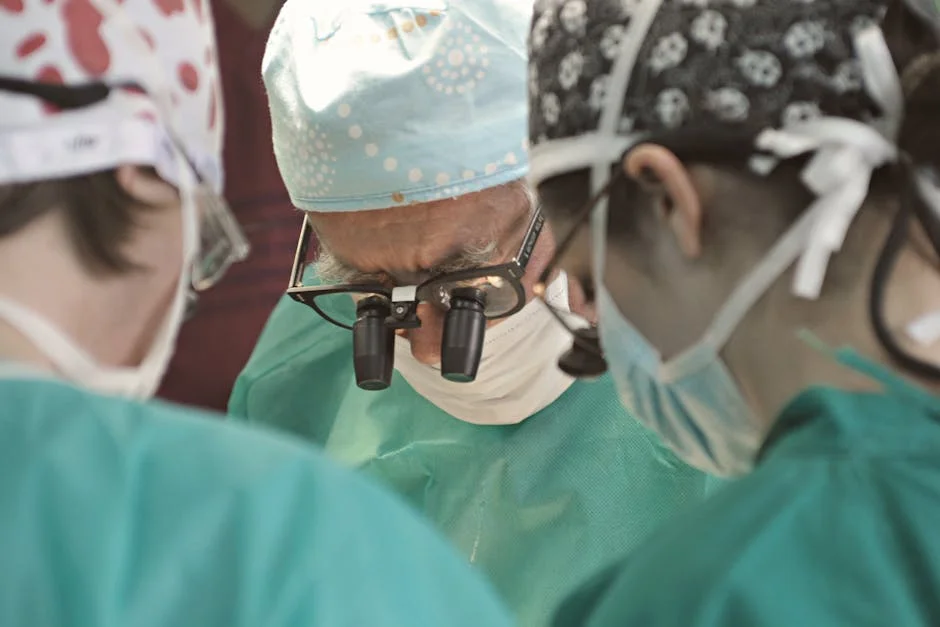
Local clinics in the Matonge and Lemba neighborhoods are already reporting longer wait times. Medical staff are working double shifts to isolate patients and trace contacts. The World Health Organization has deployed rapid response teams to set up temporary treatment centers. These efforts are critical, but they require sustained funding and logistical support that often arrives late in the crisis cycle.
US Administrative Pause on Deportations
The Trump administration moved quickly to react to the health crisis in Africa. Officials announced that the deportation of certain detainees to the DRC would be temporarily suspended. This pause applies to individuals who were scheduled to be flown to Kinshasa under new bilateral agreements. The US government cited "evolving health conditions" as the primary reason for the delay.
This decision marks a shift in how the US handles migration policy in relation to African health security. Previously, deportations proceeded with minimal regard for the local epidemiological situation. The current pause suggests that Washington is paying closer attention to the logistical realities on the ground. It also signals a recognition that the DRC’s health infrastructure is under severe stress.
Political analysts note that this move could have broader implications for US-Africa relations. The US has been seeking to strengthen ties with African nations to counter other global powers. By pausing deportations, the US demonstrates a level of diplomatic sensitivity to African health challenges. This could improve the perception of American policy in the region, particularly among urban populations in Kinshasa and other major hubs.
Implications for Migration Policy
The pause on deportations affects a specific group of detainees who had been living in legal limbo. These individuals often face uncertainty about their final destination. The DRC has been a popular choice for US deportations due to its large population and relative affordability of travel. However, the health risks now associated with Kinshasa make it a less viable option for immediate return.
US immigration lawyers are reviewing the status of their clients. Some argue that the pause should become permanent until the Ebola outbreak is fully contained. Others believe it will be a short-term measure that lasts only a few weeks. The decision rests with the Department of Homeland Security, which will monitor the health data from the DRC. This creates a period of uncertainty for the detainees and their families.
African Health Infrastructure Under Pressure
The Ebola outbreak in Kinshasa exposes the vulnerabilities in African health infrastructure. Many hospitals in the DRC still rely on basic equipment and limited staff. The recent surge in cases has stretched these resources to their limits. This situation is not unique to the DRC but reflects a broader challenge across the continent. Many African nations struggle with underfunded health systems that are ill-prepared for sudden epidemics.
The African Union has called for increased investment in public health. Leaders argue that the continent needs more robust surveillance systems and better-equipped hospitals. The current outbreak serves as a stark reminder of the gaps in these areas. Without significant improvements, future health crises could have even more severe economic and social impacts. This is a critical issue for African development goals, which emphasize health as a foundation for economic growth.
The World Bank and other international donors are watching the situation closely. They have pledged additional funding for Ebola response efforts in the DRC. However, the speed at which this funding reaches the front lines remains a concern. Bureaucratic delays often slow down the distribution of essential supplies. This highlights the need for more efficient mechanisms for health financing in Africa.
Regional Spillover Risks
As Ebola spreads in Kinshasa, neighboring countries are bracing for potential spillover. The Republic of the Congo shares a border with the DRC and has its own health challenges. Angolan officials are also monitoring the situation, given the proximity of their capital, Luanda, to the outbreak zone. The movement of people across borders makes containment difficult, especially in the bustling trade routes of Central Africa.
Regional health bodies are coordinating their response efforts. The African Centers for Disease Control and Prevention (Africa CDC) has activated its emergency operations center. This body plays a key role in harmonizing the response across different countries. However, the effectiveness of these efforts depends on the political will of individual nations. Some countries may prioritize their own domestic issues over regional cooperation.
The risk of spillover is not just a health concern but also an economic one. Trade routes could be disrupted if neighboring countries impose strict travel restrictions. This could affect the flow of goods and services in the region. The Economic Community of Central African States (ECCAS) is working to minimize these disruptions. But the pressure on local economies could grow if the outbreak persists for several months.
Impact on Nigeria and West Africa
The situation in the DRC has direct implications for Nigeria and other West African nations. Nigeria shares close economic and cultural ties with Central Africa. A significant outbreak in Kinshasa could affect trade, travel, and investment flows. Nigerian businesses operating in the DRC may face disruptions, which could impact their revenue streams. This is a concern for the broader West African economic integration agenda.
Nigerian health officials are also reviewing their own preparedness plans. The country has faced its own health challenges, including Lassa fever and cholera. The Ebola outbreak in the DRC serves as a reminder of the need for robust surveillance systems. Nigeria has made progress in its health infrastructure, but there is still room for improvement. The country needs to ensure that its borders are well-monitored to prevent the entry of new pathogens.
The Nigerian government has emphasized the importance of regional cooperation in health security. The African Continental Free Trade Area (AfCFTA) aims to boost economic integration, but health security is a prerequisite for smooth trade. If one country faces a major health crisis, it can have ripple effects across the continent. Nigeria is well-positioned to lead efforts to strengthen health infrastructure in Africa. This includes investing in research, diagnostics, and treatment facilities.
Long-Term Development Challenges
The Ebola outbreak in the DRC highlights the long-term development challenges facing Africa. Health security is a key component of sustainable development. Without a healthy population, economic growth can be stunted. The current crisis underscores the need for sustained investment in health infrastructure. This includes building more hospitals, training more medical staff, and improving supply chains.
Political stability is also crucial for effective health response. The DRC has faced periods of political instability, which can disrupt health services. The current outbreak tests the resilience of the country’s governance structures. Strong leadership is needed to coordinate the response efforts and ensure that resources are used efficiently. This is a lesson for other African nations that are seeking to strengthen their health systems.
The international community has a role to play in supporting African health development. Donors need to provide predictable and long-term funding for health programs. This will help African nations build the capacity to handle future health crises. The current Ebola outbreak is a test of this commitment. The response efforts in the DRC will shape the future of health security in Africa.
The pause on US deportations is a short-term measure, but the health crisis in the DRC requires long-term solutions. African leaders must prioritize health infrastructure in their development plans. This includes investing in research, diagnostics, and treatment facilities. The world will be watching to see how the continent responds to this challenge. The next few months will be critical in determining the trajectory of the Ebola outbreak.
See Also
- Sudan Hospital Strike Kills 64, WHO Reports Amid Ongoing Conflict
- One Battle After Another Wins 2026 Academy Award, Highlighting African Storytelling