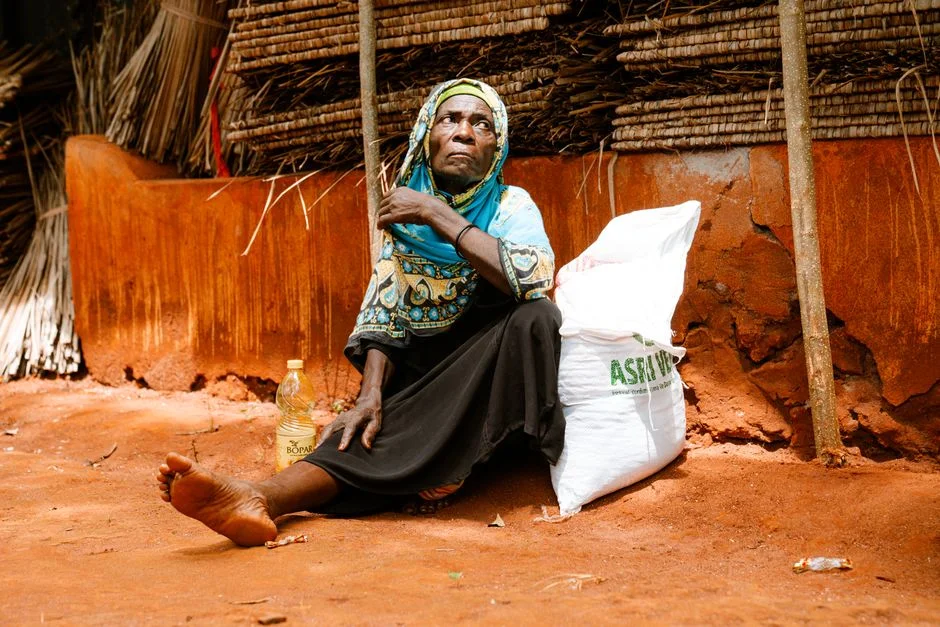
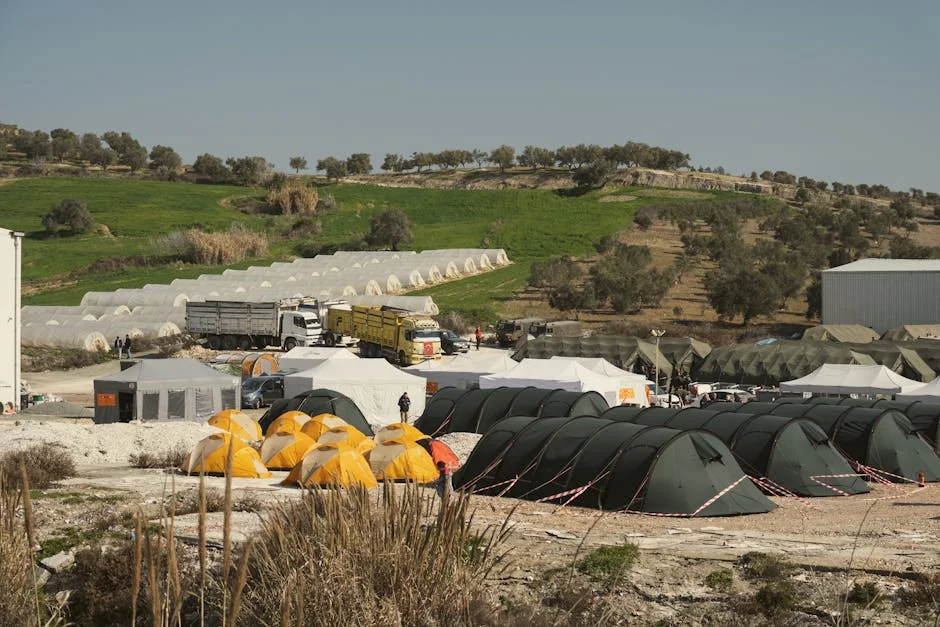
The World Health Organization has convened an emergency session in Geneva to address the alarming speed and scale of the Ebola outbreak in the Democratic Republic of Congo. Health officials are now racing to contain the virus before it spills over into neighboring nations, including Nigeria. This development poses a direct threat to the continent’s hard-won economic recovery. The stakes are high for African development goals, particularly in health infrastructure and cross-border trade stability.
WHO Emergency Response to Congo Outbreak
The World Health Organization announced the emergency meeting after data revealed a 40% increase in confirmed cases within a single week. This surge occurred primarily in the North Kivu province, where conflict and displacement have complicated vaccination efforts. The speed of transmission is unprecedented for recent outbreaks in the region. Health ministers from across the continent are now under pressure to act decisively.

Dr. Tedros Adhanom Ghebreyesus, the Director-General of the WHO, emphasized the need for immediate continental coordination. He warned that fragmented national responses could allow the virus to establish footholds in urban centers. The organization is deploying rapid response teams to Goma and Bukavu. These cities serve as critical hubs for both refugee movements and regional commerce. Containment in these areas is essential to prevent a wider epidemic.
Challenges in Conflict Zones
Health workers face significant hurdles in North Kivu due to ongoing armed conflicts. Militia groups often block access to remote villages, delaying vaccination campaigns and contact tracing. This instability undermines the effectiveness of the standard ring-vaccination strategy. The integration of health and security forces is becoming a critical component of the response. Without safe corridors for medics, the virus continues to spread unchecked.
Furthermore, community mistrust remains a persistent barrier to effective intervention. Rumors about the origin of the virus have led to the burning of health centers in previous outbreaks. Local leaders are now engaging with traditional chiefs to rebuild confidence in medical interventions. This grassroots approach is vital for ensuring that families allow their children to receive the vaccine. Trust is as important as the medicine itself in this crisis.
Threats to African Health Infrastructure
The Ebola outbreak exposes the fragility of health systems across the African continent. Many nations have invested heavily in building hospitals and training doctors, but funding gaps remain. The World Bank has noted that health expenditure in Africa averages only 6% of GDP. This figure is significantly lower than the 12% target set by the Abuja Declaration. The current crisis tests the resilience of these underfunded systems.
Infrastructure deficits are particularly acute in rural areas where the virus is most prevalent. Poor road networks delay the delivery of vaccines and medical supplies. Power outages compromise the cold chain storage necessary for vaccine efficacy. These logistical challenges highlight the need for integrated development strategies. Health cannot be isolated from broader infrastructure investments.
Developers and governments must prioritize health infrastructure as a cornerstone of economic growth. A healthy workforce is more productive and contributes more to the GDP. The cost of inaction is far higher than the initial investment required. This outbreak serves as a stark reminder that health security is economic security. African nations must leverage this moment to secure long-term funding commitments.
Cross-Border Spillover Risks
The geographic proximity of the outbreak to international borders raises concerns about regional spread. The Democratic Republic of Congo shares borders with nine countries, many of which have porous frontiers. Travelers, traders, and refugees move across these lines daily, carrying the virus with them. Neighboring nations like Uganda and Rwanda are already reporting initial cases. This creates a domino effect that threatens the entire Great Lakes region.
Nigeria faces a specific risk due to its heavy reliance on trade with Central African nations. The port of Lagos receives goods from various African countries, including those bordering the DRC. If the virus enters through commercial hubs, it could spread rapidly through the densely populated urban centers. The Nigeria Centre for Disease Control (NCDC) has heightened surveillance at major entry points. This proactive measure is crucial for preventing a secondary outbreak.
Regional cooperation is essential for managing these cross-border risks. The African Union has called for a unified response strategy that includes shared data and resource pooling. Countries must align their quarantine protocols and testing standards to ensure consistency. Disjointed efforts create gaps that the virus can exploit. A coordinated continental approach offers the best chance for containment.
Implications for Nigeria
Nigeria’s response to the Congo outbreak offers a lesson in proactive health governance. The country has improved its surveillance systems since the 2014 Ebola epidemic. However, the sheer volume of travel and trade requires constant vigilance. The NCDC is working closely with the Ministry of Health to update contingency plans. These plans include rapid deployment teams and public awareness campaigns. Preparedness is key to minimizing the economic disruption caused by the virus.
The potential for the virus to reach Nigeria underscores the interconnectedness of African economies. A health crisis in one nation can quickly become a continental economic shock. Supply chains may be disrupted, leading to price increases for essential goods. Investors may become cautious, affecting foreign direct investment flows. Therefore, monitoring the situation in Congo is not just a health priority but an economic imperative for Nigeria.
Economic Impact on Development Goals
The Ebola outbreak threatens to derail several key African development goals. The African Union’s Agenda 2063 aims to create a prosperous and integrated Africa. Health crises disrupt education, reduce workforce participation, and drain national budgets. Schools may close, leading to learning losses for millions of children. Businesses may slow down production due to absenteeism and supply chain bottlenecks. These factors collectively hinder progress toward sustainable development.
Health expenditures often surge during outbreaks, diverting funds from other critical sectors. Governments may need to allocate resources to emergency procurement and wage subsidies. This reallocation can delay infrastructure projects and social welfare programs. The opportunity cost of the outbreak is substantial and long-lasting. African nations must balance immediate health needs with broader economic objectives.
Investors are watching the situation closely, assessing the stability of the region. Uncertainty can lead to capital flight and currency depreciation. The International Monetary Fund may adjust its growth forecasts for affected countries. This financial pressure can exacerbate existing debt burdens. Stable health environments are essential for attracting and retaining foreign investment. The outbreak highlights the need for resilient economic policies.
Opportunities for Continental Cooperation
Despite the challenges, the Ebola outbreak presents an opportunity for deeper continental cooperation. The African Continental Free Trade Area (AfCFTA) can be leveraged to streamline the movement of health goods. Reduced tariffs and simplified customs procedures can accelerate the delivery of vaccines and medical equipment. This integration can enhance the efficiency of the response effort. It also demonstrates the practical benefits of economic unity.
The crisis has also spurred innovation in health technology and data sharing. Mobile health platforms are being used to track cases and communicate with communities. Digital tools enable real-time monitoring of the outbreak’s progression. These innovations can be scaled up for future health challenges. They represent a step forward in modernizing African health systems. Technology adoption is accelerating due to the urgency of the situation.
Furthermore, the outbreak has strengthened the role of regional economic communities. Organizations like ECOWAS and the East African Community are coordinating their responses. This collaboration builds institutional capacity for future crises. It fosters a sense of shared destiny and collective action. The lessons learned from this outbreak will inform future policy decisions. Continental solidarity is a powerful asset in the face of common threats.
Governance and Public Trust
Effective governance is critical for managing public health crises. Transparent communication from leaders helps to reduce panic and misinformation. Citizens need clear and consistent information about the risk and the response. Governments must engage with the media and civil society to build a narrative of confidence. Trust in institutions is eroded when communication is poor or inconsistent. Strong leadership is essential for maintaining social cohesion during a crisis.
Accountability mechanisms must also be strengthened to ensure that resources are used efficiently. Corruption and mismanagement can undermine the effectiveness of health interventions. Independent audits and public reporting can enhance transparency. This scrutiny helps to identify bottlenecks and areas for improvement. Good governance is not just about political stability but also about operational efficiency. It ensures that every dollar spent contributes to the containment effort.
Community engagement is another pillar of effective governance. Local leaders and health workers are often the first line of defense. Empowering them with resources and authority can enhance the response. This decentralized approach allows for more tailored interventions. It also builds resilience at the grassroots level. Governance structures must be flexible and adaptive to meet the changing needs of the outbreak.
Looking Ahead: Critical Next Steps
The World Health Organization will announce its initial recommendations from the emergency session within 48 hours. These guidelines will shape the response strategies of individual nations. African governments are expected to convene a follow-up summit in Addis Ababa next month. This meeting will focus on resource mobilization and policy alignment. Stakeholders should watch for announcements on new funding commitments from the African Development Bank. The coming weeks will be decisive in determining the trajectory of the outbreak.
See Also
- Segun Odegbami Celebrates Youngest Millionaire Status — A Milestone for Nigeria
- Hugo Soares Pushes for Expanded Support Amid Economic Challenges in Nigeria