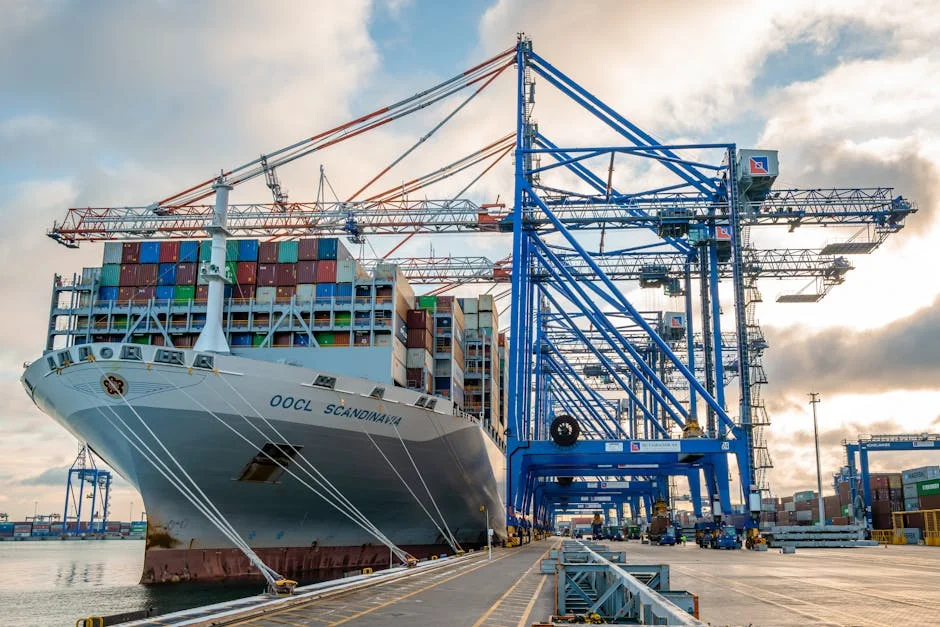
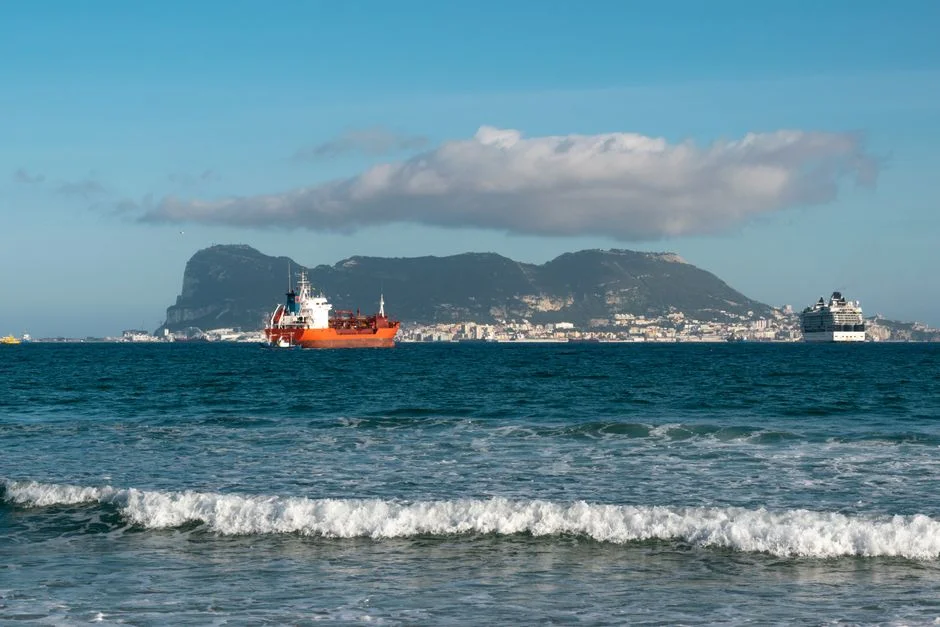
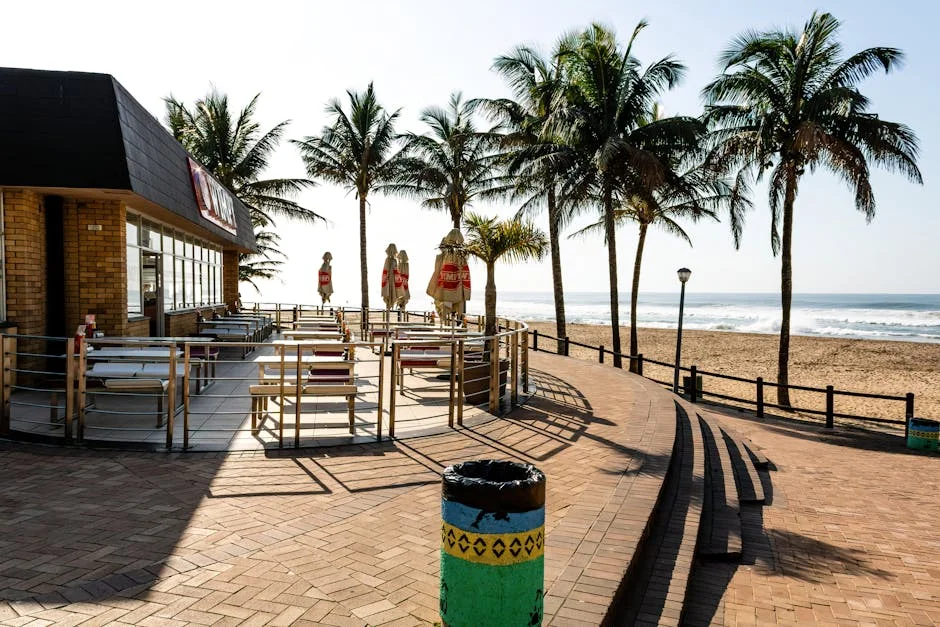
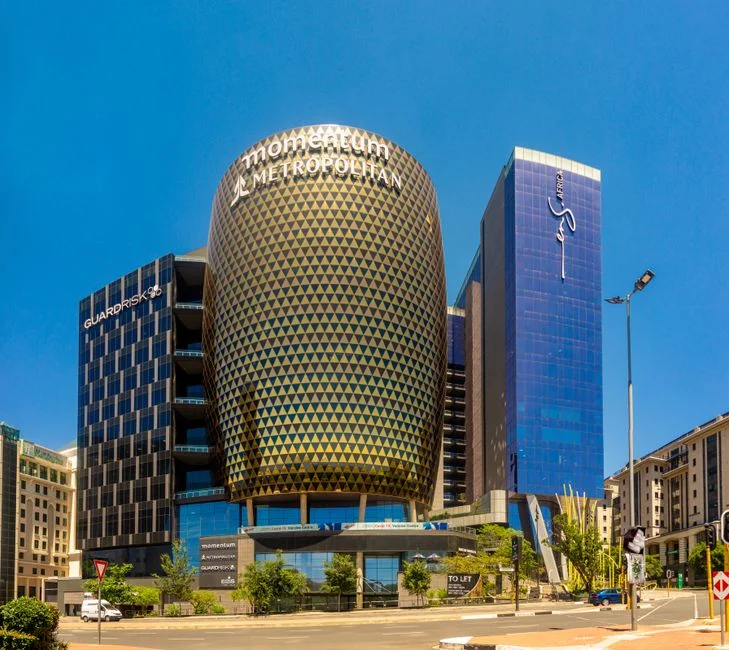
South Africa's government has identified destination branding as the cornerstone of its next major national initiative, officials announced at a side event that drew international attention to Pretoria this week. The strategy aims to reposition the country on the global stage, targeting investors, tourists, and trade partners in a coordinated push that officials say could reshape the nation's economic trajectory over the coming decade.
A New Direction for National Strategy
The announcement marks a deliberate shift from infrastructure-focused national projects that have dominated policy discussions in recent years. Instead of building roads or power plants, the government will channel resources into a comprehensive branding campaign designed to change how the world perceives South Africa. The initiative stems from growing concern among policymakers that the country has not effectively communicated its strengths to foreign audiences.
Dr Nik Eberl, a communications specialist who has worked with both government agencies and private sector clients, addressed the gathering and outlined the thinking behind the approach. He told attendees that nations increasingly compete for attention and capital in the same way corporations compete for market share. Countries that fail to manage their reputation risk being overlooked, he said, regardless of what they actually offer.
What Destination Branding Means in Practice
Destination branding extends far beyond a new logo or slogan. The strategy encompasses tourism promotion, foreign direct investment outreach, cultural diplomacy, and the way government communicates with overseas audiences. Officials explained that the initiative will involve coordination across multiple ministries, with each department expected to align its messaging with the broader national narrative.
The plan includes digital campaigns targeting key markets in Europe, Asia, and the Americas. It also calls for partnerships with South African diaspora communities, who officials say can serve as informal ambassadors for the country. Trade missions will carry revised messaging materials, and embassies will receive training on how to present the rebranded image to foreign governments and businesses.
Measuring Success in Perception
Unlike traditional infrastructure projects, the impact of destination branding proves difficult to quantify in the short term. Officials acknowledged this challenge and said they would rely on survey data, tourism arrival figures, and foreign investment flows as proxy indicators. Baseline measurements are already underway, with a full review scheduled for 2027 to assess whether perception metrics have shifted in target markets.
Why South Africa Needs a Rebrand Now
The timing reflects mounting pressure on South Africa to reverse a prolonged period of sluggish growth. Unemployment has remained above 30 percent for several years, and the country has struggled to attract the levels of foreign investment that officials say are necessary to drive economic expansion. High-profile corruption scandals and recurring power shortages have damaged the nation's international reputation, according to analysts who track country risk assessments.
Government insiders suggest the initiative also responds to competitive pressure from other African nations. Countries including Kenya, Rwanda, and Morocco have invested heavily in their international image, and South Africa risks losing ground if it does not act decisively. The national branding effort is partly an attempt to recapture the goodwill the country enjoyed during the 2010 FIFA World Cup, when millions of international visitors experienced South Africa firsthand.
Who Will Pay for the Campaign
Funding details remain under discussion, but officials indicated that the budget would be split between government allocations and contributions from the private sector. Tourism, mining, and financial services companies have expressed interest in participating, seeing potential benefits for their own operations if South Africa's international image improves. A formal funding structure is expected to be announced within the next three months.
The initiative will be housed within an existing government communications structure, though officials said a dedicated unit with expanded powers would be created to manage the campaign. This unit will report directly to the presidency, reflecting the high-level priority the government has assigned to the project.
Critics Raise Questions About Priorities
Not everyone welcomes the announcement. Critics within South Africa have questioned whether branding should take precedence over more tangible needs. Labour unions and opposition politicians have argued that money spent on international campaigns could be better directed toward public services, housing, or infrastructure maintenance. Some economists have also expressed skepticism, noting that reputation alone cannot attract investment if basic conditions such as electricity supply and regulatory clarity remain unpredictable.
Proponents of the strategy counter that perception and reality operate in tandem. They argue that improving conditions on the ground and improving the country's image must happen simultaneously, and that one reinforces the other. Dr Eberl addressed this tension directly, telling reporters that no branding campaign can succeed without substance behind it, but that substance without communication wastes potential.
Regional and Continental Implications
The initiative carries implications beyond South Africa's borders. As the continent's most industrialized economy, South Africa often sets the tone for broader African perceptions in global markets. Analysts say a successful rebranding could benefit neighbouring countries by association, while a failed effort could reinforce negative stereotypes about the region. The African Union has taken note, according to diplomats who attended the event, though no formal continental coordination has been proposed at this stage.
What Happens Next
The government expects to finalise its core messaging framework by the end of the current quarter. A series of pilot campaigns will launch in the United Kingdom, Germany, and China before the end of the year, testing different approaches in markets with distinct characteristics. Results from these pilots will inform the broader rollout planned for 2025 and 2026.
Watch for the appointment of a campaign director in the coming weeks. That decision, more than any other, will signal whether the government intends to treat destination branding as a serious strategic undertaking or a public relations exercise. The credibility of the entire project may hinge on who fills that role.
See Also
- One Battle After Another Wins 2026 Academy Award, Highlighting African Storytelling
- AI Fails to Qualify as Doctors Despite High Scores — Africa Watches Closely
This unit will report directly to the presidency, reflecting the high-level priority the government has assigned to the project.Critics Raise Questions About PrioritiesNot everyone welcomes the announcement. Critics within South Africa have questioned whether branding should take precedence over more tangible needs.