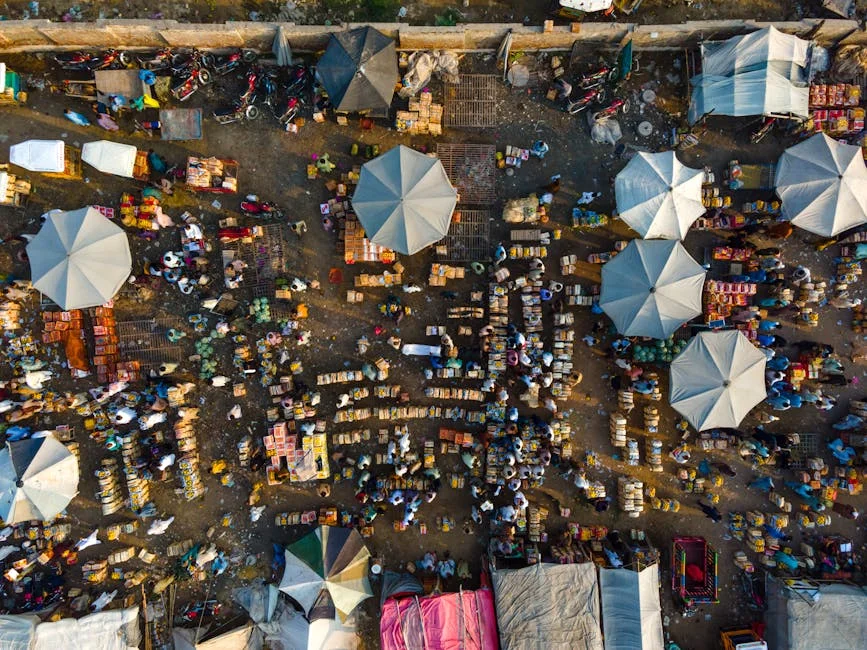
Temperatures in Vellore, Tamil Nadu, have surged to a scorching 42°C, triggering an intense heatwave that has left residents and infrastructure under severe strain. This extreme weather event serves as a stark reminder of the escalating climate crisis that threatens development goals across the Global South. For African nations, the situation in India offers critical lessons on how to manage heat stress, water security, and economic stability.
Heat Stress and Economic Productivity
The intense heat in Tamil Nadu is not merely a comfort issue; it is an economic disruptor. When temperatures exceed 40°C, outdoor labor productivity can drop by up to 22%, according to recent studies on tropical workforces. This directly impacts agriculture, construction, and retail sectors that form the backbone of emerging economies. In Vellore, daily commuters and factory workers are experiencing fatigue and heat exhaustion, leading to increased absenteeism and reduced output.
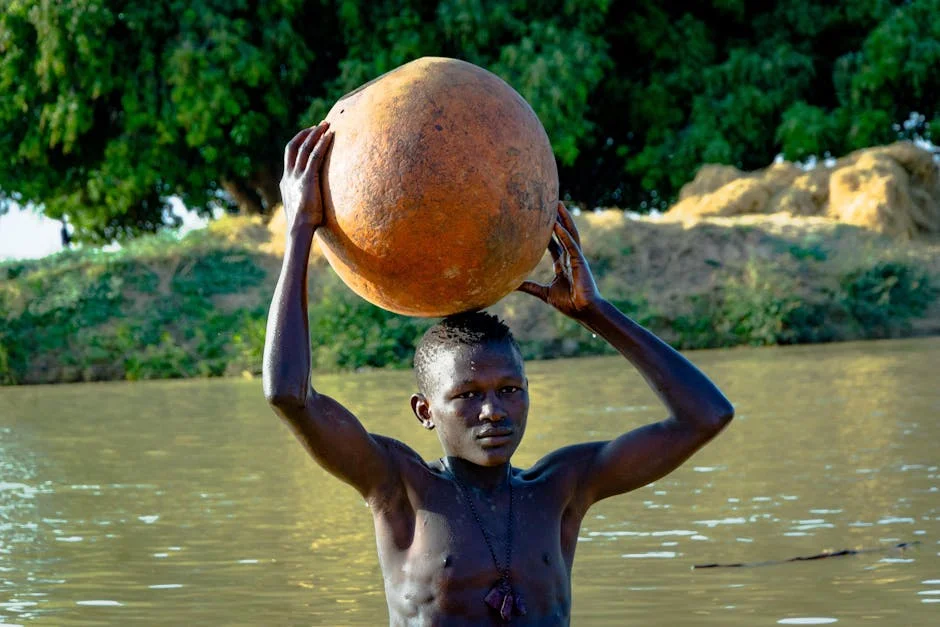
African economies face a similar vulnerability. In West Africa, where the informal sector employs over 60% of the workforce, heat stress is silently eroding GDP growth. Countries like Nigeria and Ghana must prepare for similar temperature spikes as urbanization accelerates. The reliance on outdoor labor makes these economies particularly sensitive to thermal shifts. Without adaptive measures, the cost of doing business will rise, deterring foreign investment and slowing industrialization.
Infrastructure Under Pressure
Power grids in Tamil Nadu are currently buckling under the demand for air conditioning and cooling systems. The state electricity board has reported peak loads that are pushing transformers to their limits. This infrastructure stress highlights a critical gap in energy planning for hot climates. In many African cities, power outages are already frequent, and rising temperatures will exacerbate the reliability of energy supply.
Investing in resilient infrastructure is essential for continental development. The African Union’s infrastructure agenda emphasizes the need for modernized energy grids that can handle variable loads. Learning from the challenges in Vellore, African planners should prioritize decentralized renewable energy solutions. Solar microgrids, for instance, can provide reliable cooling power without overloading the main grid. This approach not only enhances energy security but also reduces carbon emissions.
Urban Planning and Green Spaces
Urban heat islands are intensifying the temperature rise in cities like Vellore. Concrete and asphalt absorb heat, making urban areas significantly hotter than rural surroundings. African cities, which are rapidly expanding, must incorporate green spaces and reflective materials into their urban planning strategies. Planting trees and creating parks can lower local temperatures by several degrees.
Effective urban planning can mitigate the worst effects of heatwaves. Lagos and Accra are already beginning to integrate more green infrastructure into their development plans. These efforts are crucial for improving the quality of life for millions of urban residents. By reducing heat stress, cities can also lower healthcare costs associated with heat-related illnesses. This holistic approach to urban development is vital for sustainable growth.
Water Security and Agriculture
Heavy rain is forecast for the next three days in Tamil Nadu, offering temporary relief from the heat but also posing flooding risks. This volatility in weather patterns is becoming the new normal due to climate change. For agriculture, such fluctuations are devastating. Crops that are sensitive to both heat and waterlogging can suffer significant yield losses. In Vellore, farmers are closely monitoring soil moisture levels to optimize irrigation.
African agriculture is equally exposed to these climatic uncertainties. Droughts and floods are becoming more frequent, threatening food security on the continent. The African Development Bank has highlighted the need for climate-smart agriculture practices. These include drought-resistant crop varieties, efficient irrigation systems, and improved weather forecasting. By adopting these technologies, African farmers can better withstand the shocks of a changing climate.
Health Impacts and Public Response
The health sector in Tamil Nadu is bracing for an influx of patients suffering from heatstroke and dehydration. Hospitals in Vellore have reported a 15% increase in admissions over the past week. Public health campaigns are urging residents to stay hydrated and limit outdoor activity during peak heat hours. This proactive approach is crucial for reducing the burden on healthcare systems.
African health systems must also prepare for the growing health risks associated with heat. The World Health Organization has identified heat stress as a major public health challenge for the continent. Investing in public health infrastructure and awareness campaigns is essential. Training healthcare workers to recognize and treat heat-related illnesses can save countless lives. This focus on health resilience is a key component of sustainable development.
Lessons for African Development
The situation in Tamil Nadu underscores the urgent need for integrated climate action in Africa. Development goals cannot be achieved without addressing the environmental challenges that threaten progress. The continent must leverage its renewable energy potential to power cooling solutions and drive economic growth. International cooperation and technology transfer will be vital in this endeavor.
African leaders must prioritize climate adaptation in their national development plans. This includes investing in infrastructure, agriculture, and health systems that are resilient to heat and weather volatility. By learning from the experiences of other tropical regions like Tamil Nadu, Africa can build a more robust and sustainable future. The time for action is now, as the climate crisis intensifies across the continent.
Watch for upcoming policy announcements from the African Union on climate adaptation funding in the next quarter. These initiatives will shape how countries like Nigeria and Kenya respond to increasing heat stress. Stakeholders should also monitor the performance of new renewable energy projects in West Africa. These developments will indicate the continent’s progress in building climate-resilient infrastructure.
See Also
- South Africa's Inflation Crisis Triggers Household Collapse
- Solly Msimanga Slams Jacob Zuma for Handing Shower to Panyaza Lesufi: The Fallout
Crops that are sensitive to both heat and waterlogging can suffer significant yield losses. The African Development Bank has highlighted the need for climate-smart agriculture practices.
What is the latest news about tamil nadu heatwave hits 42c africas climate warning?
Why does this matter for economy-business?
What are the key facts about tamil nadu heatwave hits 42c africas climate warning?