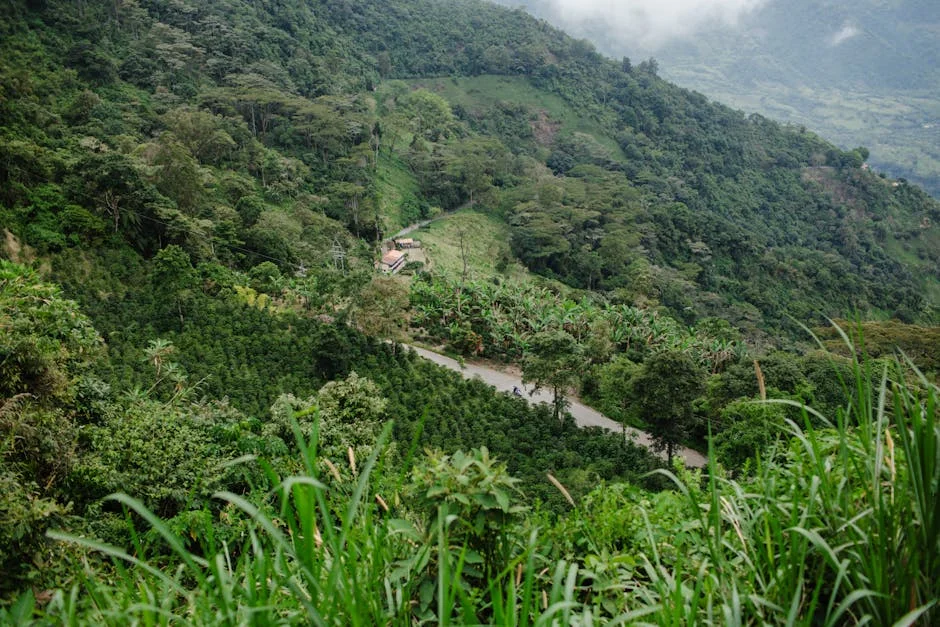
Severe weather fluctuations are currently battering South Africa’s key agricultural and industrial provinces, with the Free State and North West experiencing rapid shifts between freezing fog and intense heat. These extreme conditions pose immediate risks to the nation’s food security and energy infrastructure, two critical pillars of continental development. The volatility highlights the urgent need for adaptive strategies in African economies heavily reliant on climate-sensitive sectors.
Agricultural Vulnerability in Key Provinces
The agricultural sector in the Free State and North West provinces faces a dual threat from the current meteorological chaos. Farmers are struggling to manage crops that are simultaneously subjected to morning frosts and afternoon heatwaves. This inconsistency disrupts the growth cycles of staple crops like maize and wheat, which are vital for both local consumption and export revenue.

Climate experts warn that such unpredictability is becoming the new normal for Southern Africa. The economic implications are severe, as price volatility in local markets directly impacts household budgets across the region. Protecting agricultural output is not just a provincial concern but a national imperative for maintaining stable food prices and reducing import dependencies.
Impact on Maize and Wheat Production
Maize production in the Free State, often referred to as the breadbasket of South Africa, is particularly sensitive to temperature swings. Sudden cold snaps can damage young plants, while subsequent heatwaves accelerate water evaporation, stressing the roots. This combination can lead to reduced grain size and lower overall yields, directly affecting the national maize reserve.
Wheat farmers in the North West are facing similar challenges. The crop requires consistent temperature ranges to mature properly. Disruptions during the flowering stage can result in significant harvest losses. These losses translate directly to higher bread prices in urban centers like Johannesburg and Pretoria, affecting millions of consumers.
Energy Grid Under Pressure
The energy sector is also feeling the strain from these weather patterns. Extreme cold increases electricity demand for heating, while intense heat drives up consumption for air conditioning. This dual pressure on the power grid can lead to unexpected load shedding, disrupting industrial output and daily life. The stability of the national grid is crucial for maintaining economic momentum and attracting foreign investment.
Infrastructure resilience is a key development goal for African nations. The current weather events expose vulnerabilities in the energy infrastructure, highlighting the need for diversified energy sources and improved grid management. Investing in renewable energy and storage solutions can help mitigate the impact of climate variability on power supply.
The economic cost of power instability is substantial. Industries in the North West, including mining and manufacturing, face production delays and increased operational costs. These factors can erode profit margins and reduce competitiveness in the global market. Ensuring a stable energy supply is essential for sustained economic growth and job creation.
Infrastructure and Urban Planning Challenges
Urban areas in the affected provinces are also grappling with the consequences of extreme weather. Roads can become slippery and hazardous due to morning fog, leading to increased accident rates and traffic congestion. Infrastructure maintenance budgets are stretched as municipalities rush to repair damage caused by temperature-induced expansion and contraction of materials.
Effective urban planning must account for climate variability to ensure resilience. This includes improving drainage systems to handle sudden downpours and using heat-reflective materials in construction to mitigate urban heat islands. Investing in smart city technologies can help monitor and respond to weather changes in real-time, improving the quality of life for residents.
The challenge extends to water management systems. Drought conditions can be exacerbated by heatwaves, while sudden cold snaps can cause pipes to burst. Municipalities need robust water infrastructure to ensure consistent supply to households and industries. Water security is a foundational element of sustainable development and economic stability.
Pan-African Development Implications
The weather challenges in South Africa’s Free State and North West provinces offer valuable lessons for the broader African continent. Many African nations are heavily dependent on rain-fed agriculture and face similar climate vulnerabilities. Collaborative efforts in climate research, early warning systems, and infrastructure development can enhance regional resilience.
Regional integration initiatives, such as the African Continental Free Trade Area (AfCFTA), can facilitate the sharing of resources and expertise. Countries can pool investments in climate-smart agriculture and renewable energy projects to achieve economies of scale. This collaborative approach can accelerate development and reduce the economic impact of climate change.
Investment in education and technology transfer is also crucial. Building local capacity in climate science and engineering can drive innovation and create new economic opportunities. Empowering local communities with knowledge and tools to adapt to climate change is essential for long-term sustainability. These efforts align with the United Nations Sustainable Development Goals and the African Union’s Agenda 2063.
Future Outlook and Strategic Responses
Addressing the challenges posed by extreme weather requires a multi-faceted approach. Governments, businesses, and communities must work together to implement adaptive strategies. This includes diversifying agricultural practices, investing in resilient infrastructure, and enhancing energy efficiency. Proactive measures can mitigate risks and unlock new opportunities for growth.
Monitoring climate trends and updating policy frameworks will be essential for staying ahead of the curve. Regular assessments of infrastructure and agricultural systems can identify vulnerabilities and guide investment priorities. Engaging with international partners and leveraging technology can provide additional support and expertise.
The coming months will be critical for assessing the full impact of the current weather patterns. Stakeholders should watch for updates on harvest yields, power grid stability, and infrastructure repair progress. These indicators will provide insights into the resilience of the region and the effectiveness of adaptive measures. Continued vigilance and strategic action will be key to navigating the challenges of a changing climate.