Property prices in Cape Town have surged to unprecedented heights, with the average cost of a home reaching a staggering 2.9 million rand (approximately $173,000). This sharp increase is straining the finances of many residents, pushing affordability to a breaking point. The city, known for its stunning landscapes and vibrant culture, has now become a challenging environment for prospective homebuyers.
Current Real Estate Landscape
Recent data from the Cape Town Property Association highlights a 15% increase in property prices over the past year alone. This spike is largely attributed to a combination of increased demand for housing and a growing influx of foreign investors seeking opportunities in the South African market. The Cape Town metropolitan area has seen a notable rise in demand, with affluent individuals from Europe and the Middle East contributing significantly to the housing boom.
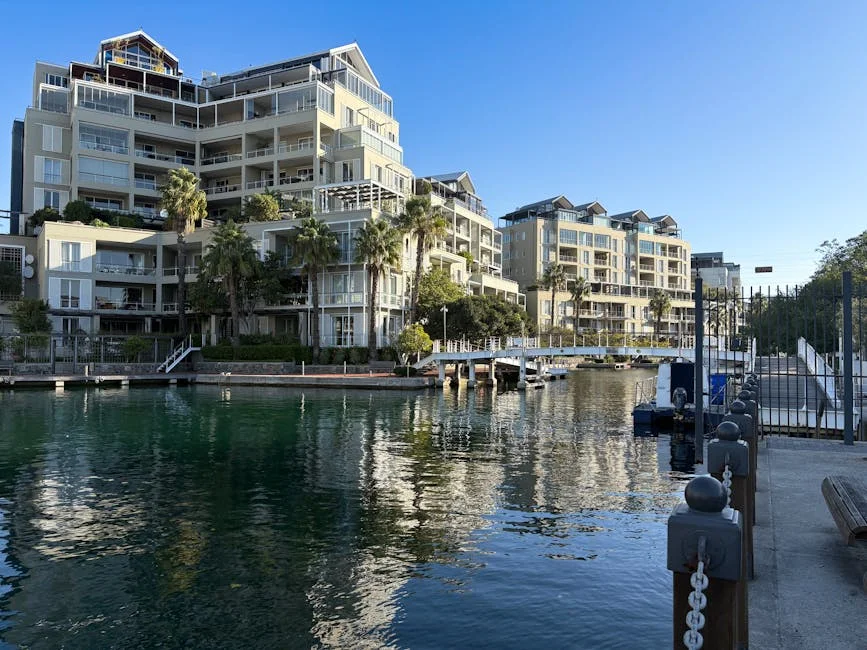
The implications of these soaring prices extend beyond individual homebuyers; they reflect broader economic trends. The rapid escalation in property values is exacerbating the housing crisis in South Africa, where the gap between wealth and poverty continues to widen. Many local families are now facing the prospect of being priced out of their own neighbourhoods, as rental prices also trend upwards.
African Development Goals at Risk
This alarming trend in Cape Town raises critical questions about the future of housing in Africa and its alignment with the United Nations' Sustainable Development Goals (SDGs). Specifically, Goal 11 aims to ensure access to safe and affordable housing for all. As property prices rise, this goal becomes increasingly elusive for many residents.
South Africa's urbanisation is one of the fastest in the world, and with over 66% of its population now living in urban areas, the demand for affordable housing is more pressing than ever. However, as Cape Town exemplifies, rapid urban growth without adequate infrastructure development can lead to significant social challenges, undermining the country's developmental objectives.
Continental Challenges and Opportunities
The situation in Cape Town also resonates with challenges faced in other African cities. Countries like Nigeria and Kenya are grappling with similar issues of rising property prices and urban migration. In Nigeria's largest city, Lagos, property prices have surged as well, driven by both local demand and foreign investment. This interconnectedness highlights the need for a pan-African approach to housing and urban development.
- Implementing affordable housing initiatives
- Developing inclusive urban planning strategies
- Enhancing public-private partnerships
These actions could help mitigate the crisis and foster an environment conducive to sustainable economic growth across the continent. Collaboration among African nations may yield innovative solutions that address both local and regional housing challenges.
Looking Ahead
As Cape Town navigates this complex landscape, stakeholders must act decisively to create a balance between property investment and affordability. Policymakers urgently need to address the rising costs and consider regulatory measures that can protect local residents. Upcoming municipal elections in 2024 may provide an opportunity for new leaders to prioritise housing accessibility and infrastructure development. Observers will be watching closely to see how these developments unfold and whether they can offer a blueprint for other cities facing similar challenges.
See Also
- Iranian Community in Portugal Raises Alarm Over Political Climate — What It Means for Africa
- Nigerian Government Warns Rising Oil Prices Could Hurt Economy — Here's What It Means
However, as Cape Town exemplifies, rapid urban growth without adequate infrastructure development can lead to significant social challenges, undermining the country's developmental objectives.Continental Challenges and OpportunitiesThe situation in Cape Town also resonates with challenges faced in other African cities. This interconnectedness highlights the need for a pan-African approach to housing and urban development.Implementing affordable housing initiativesDeveloping inclusive urban planning strategiesEnhancing public-private partnershipsThese actions could help mitigate the crisis and foster an environment conducive to sustainable economic growth across the continent.
What is the latest news about cape town sees record property prices affordability hits crisis point?
Why does this matter for economy-business?
What are the key facts about cape town sees record property prices affordability hits crisis point?