India's government has announced a significant allocation of Rs 7,500 crore (approximately $1 billion) to boost IT hardware manufacturing under the Production Linked Incentive (PLI) scheme. This decision, disclosed by the Ministry of Electronics and Information Technology, aims to enhance the country's position in global markets by promoting local manufacturing capabilities.
India's Bold Manufacturing Move
The PLI scheme, introduced to encourage domestic production, offers incentives to manufacturers for boosting their output. By earmarking Rs 7,500 crore, the Indian government aims to reduce reliance on imports, create jobs, and position the country as a major player in the IT hardware sector.
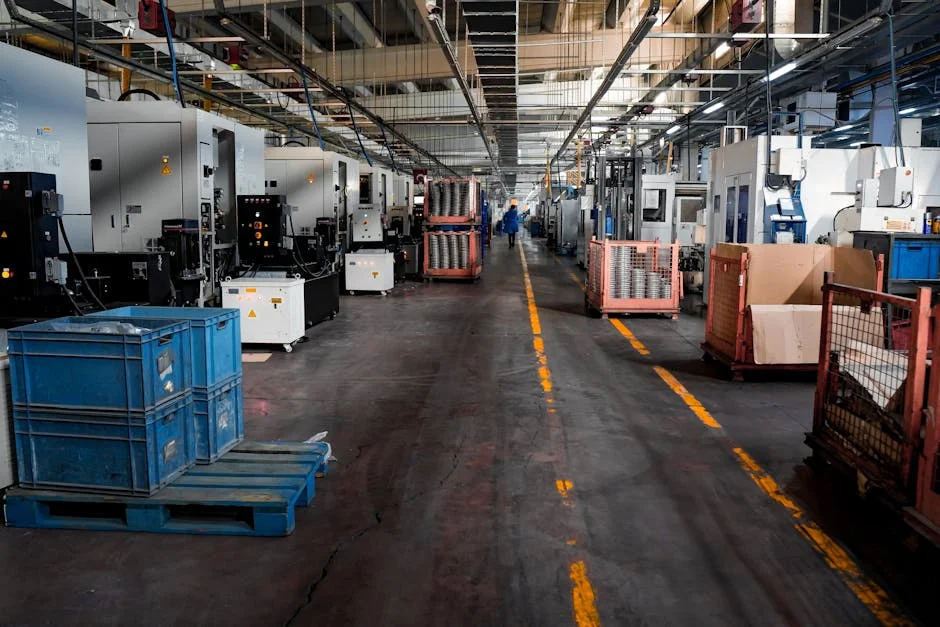
This initiative comes as part of a broader strategy to strengthen India's manufacturing infrastructure, a critical component of its economic growth plan. The scheme targets key areas of manufacturing, including laptops, tablets, and servers, thereby fostering a competitive environment.
Global Implications and Opportunities for Africa
India’s enhanced focus on IT hardware has far-reaching implications, not just domestically but also globally. For African nations, this move presents opportunities to leverage technological advancements and forge partnerships. Africa's burgeoning tech industry can benefit from collaborations, technology transfer, and investment inflows, aligning with the continent's development goals.
Additionally, with improved access to affordable technology, African governments can expedite infrastructure projects, enhance educational tools, and improve healthcare services. This aligns with the African Union's Agenda 2063, which prioritizes technological integration and infrastructure development.
Challenges and Considerations
While the PLI scheme promises growth, challenges remain. The global supply chain disruptions, geopolitical tensions, and raw material shortages could impact production timelines. Africa, which is also navigating its own industrial challenges, must ensure strategic investments to benefit from these opportunities.
Furthermore, skills development is crucial. As India ramps up production, the need for skilled labour increases. African nations must prioritize educational reforms to prepare their workforce for the demands of a tech-driven economy.
What to Watch Next
The immediate focus will be on how swiftly India can implement this scheme and its resultant impact on global IT hardware prices. For African countries, monitoring India's policy shifts and market dynamics will be essential. As partnerships and trade agreements evolve, the next steps involve African stakeholders actively engaging in dialogues to maximize benefits from this development.
The global supply chain disruptions, geopolitical tensions, and raw material shortages could impact production timelines. African nations must prioritize educational reforms to prepare their workforce for the demands of a tech-driven economy.What to Watch NextThe immediate focus will be on how swiftly India can implement this scheme and its resultant impact on global IT hardware prices.