The Cold War's clandestine espionage operations left a lasting impact on Africa, shaping its political and economic landscape. As global powers vied for influence, secret networks operated quietly across the continent, influencing decisions that reverberate to this day. This hidden history raises questions about how these activities have affected Africa's development goals and current challenges.
Secret Operations in Africa
During the Cold War, Africa became a battleground for intelligence agencies from both the United States and the Soviet Union. Countries like Angola, Ethiopia, and South Africa were hotspots for espionage as superpowers sought allies in their ideological battle. The notorious KGB and CIA were deeply involved, often supporting different factions that aligned with their strategic interests.
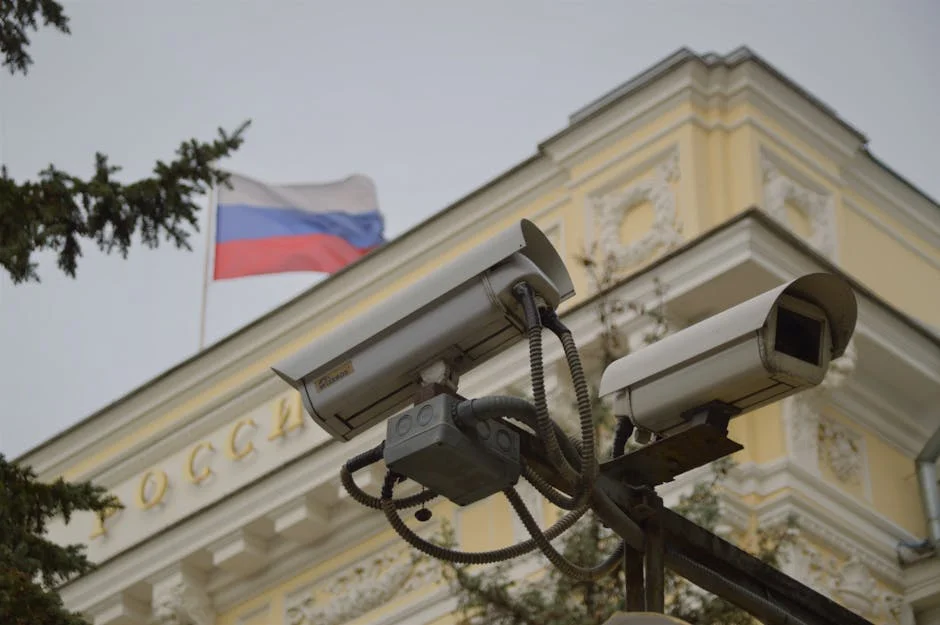
For instance, Angola's civil war saw heavy involvement from both agencies, with the CIA backing the National Union for the Total Independence of Angola (UNITA) and the KGB supporting the People's Movement for the Liberation of Angola (MPLA). This proxy war left a lasting mark on Angola's political stability and economic development.
Impact on Political and Economic Stability
The legacy of these spy networks is still felt today in the political and economic structures across Africa. The covert operations often resulted in support for authoritarian regimes, undermining democratic processes and contributing to prolonged instability in regions like the Horn of Africa. This has hindered efforts to promote good governance and sustainable development.
In Nigeria, the influence of Cold War dynamics can be seen in its struggle with military coups and political turbulence during the late 20th century. The espionage activities of that era indirectly contributed to a legacy of mistrust and division, which affects Nigeria's current governance challenges.
Lessons for African Development Goals
Understanding the impact of Cold War espionage on Africa is crucial for addressing contemporary development challenges. It highlights the importance of transparent governance and the dangers of external interference in domestic affairs. By learning from the past, African nations can work towards strengthening institutional frameworks and fostering regional cooperation.
Pan-African initiatives, such as the African Union's Agenda 2063, aim to harness the continent's potential by addressing historical injustices and promoting inclusive growth. The legacy of espionage underscores the need for Africans to take ownership of their development agendas, free from foreign manipulation.
Future Implications
As Africa looks to the future, it is essential to remain vigilant against new forms of covert influence. The lessons of the Cold War era remind us of the hidden costs of geopolitical games. By prioritising unity and self-reliance, African leaders can better protect the continent's interests on the global stage.
In the coming years, it will be vital to watch how Africa navigates its complex history while striving to achieve its development goals. The ongoing efforts to bolster regional security and governance will play a critical role in shaping Africa's future trajectory.
See Also
- Western Cape Records 19 Deaths Over Easter Weekend
- Ad Hoc Committee Reveals Police Misconduct in Major Inquiry
It highlights the importance of transparent governance and the dangers of external interference in domestic affairs. See AlsoWestern Cape Records 19 Deaths Over Easter WeekendAd Hoc Committee Reveals Police Misconduct in Major Inquiry