Singapore has announced plans to explore the feasibility of harnessing geothermal energy for its power, heating, and cooling needs. This initiative, spearheaded by the Energy Market Authority of Singapore, marks a strategic move to diversify the city-state's energy sources amid global sustainability goals. The study, expected to conclude by the end of 2024, will determine the viability of tapping into geothermal resources beneath Singapore's ground.
Singapore's Renewable Energy Ambitions
Singapore, a nation limited by its small landmass, has historically relied on imported energy. By investigating geothermal energy, it aims to reduce its carbon footprint and enhance energy security. If successful, this could set a precedent for other regions with similar geographical constraints.
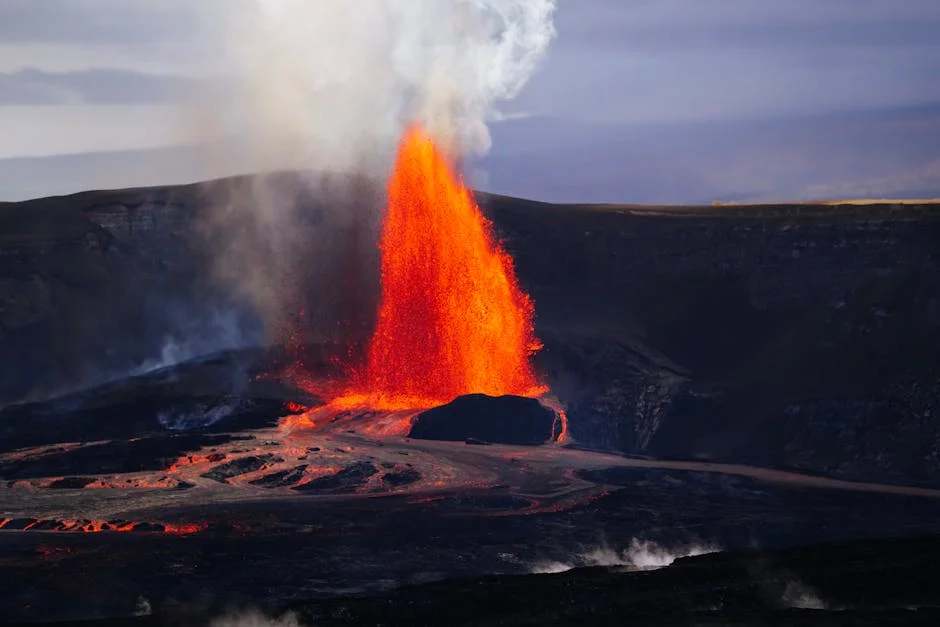
With the growing global emphasis on clean energy, Singapore's exploration into geothermal sources could inspire African nations seeking to diversify their energy portfolios. Many African countries, including Kenya and Ethiopia, have already invested in geothermal energy, embracing it as a sustainable alternative to fossil fuels.
Potential Lessons for African Development
Africa's development agenda increasingly focuses on sustainable energy solutions to meet the continent's rising power demands. With over 600 million Africans lacking access to electricity, geothermal energy presents a promising avenue for sustainable development and economic growth.
Countries like Nigeria, with its vast geothermal potential, could benefit from Singapore's findings. By observing Singapore's methodologies and outcomes, African nations might identify new ways to harness their own geothermal resources effectively.
Economic and Environmental Implications
The implications of Singapore's geothermal study extend beyond just energy. Economically, it could lead to reduced energy costs and increased job opportunities in the renewable sector both locally and globally. Environmentally, successful geothermal exploitation could significantly lower carbon emissions, contributing positively to the global climate agenda.
How Singapore's Move Affects Nigeria
While Singapore and Nigeria differ in their energy profiles, Singapore's exploration could influence Nigeria's energy strategy. Nigeria, rich in oil and gas, faces challenges in sustainable energy adoption. Observing Singapore's approach could offer insights into integrating geothermal energy into a more balanced energy mix.
The Singapore environment update shows a commitment to sustainable development, aligning with Nigeria's goals of reducing dependency on fossil fuels and increasing renewable energy use.
What to Watch Next
The geothermal study in Singapore is expected to conclude by late 2024. As the findings are released, African countries should watch closely to assess how these insights might inform and support their own energy projects. Collaborative efforts between Singapore and African nations could pave the way for technological exchanges and partnerships in renewable energy development. With the potential for significant economic and environmental benefits, this is a development worth following.
Frequently Asked Questions
What is the latest news about singapore explores geothermal energy potential impacts on africas energy goals?
Singapore has announced plans to explore the feasibility of harnessing geothermal energy for its power, heating, and cooling needs.
Why does this matter for environment-nature?
The study, expected to conclude by the end of 2024, will determine the viability of tapping into geothermal resources beneath Singapore's ground.Singapore's Renewable Energy AmbitionsSingapore, a nation limited by its small landmass, has historically
What are the key facts about singapore explores geothermal energy potential impacts on africas energy goals?
If successful, this could set a precedent for other regions with similar geographical constraints.With the growing global emphasis on clean energy, Singapore's exploration into geothermal sources could inspire African nations seeking to diversify the