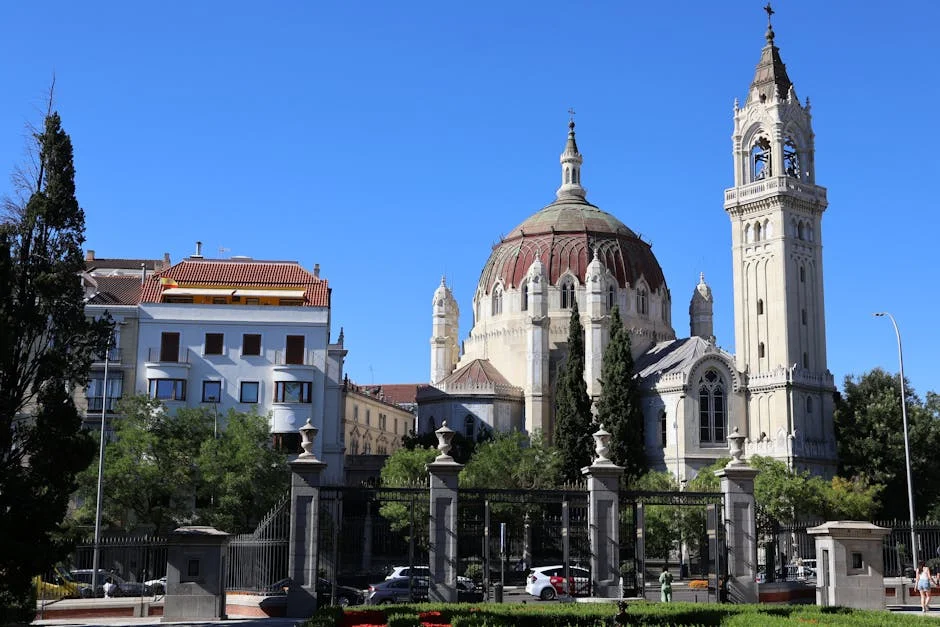
Barcelona is facing an overwhelming influx of tourists, likened to a 'tsunami' by local residents, who are demanding urgent action to manage the situation. The city's iconic sites are filled to the brim, and the local community is feeling the pressure of over-tourism. This rising tide of visitors is prompting city officials and residents to seek sustainable tourism solutions.
Barcelona's Tourism Tsunami
Barcelona's influx of tourists has reached unprecedented levels, with over 30 million visitors annually, significantly outnumbering its 1.6 million residents. This surge has sparked a debate on the sustainability of its tourism model.
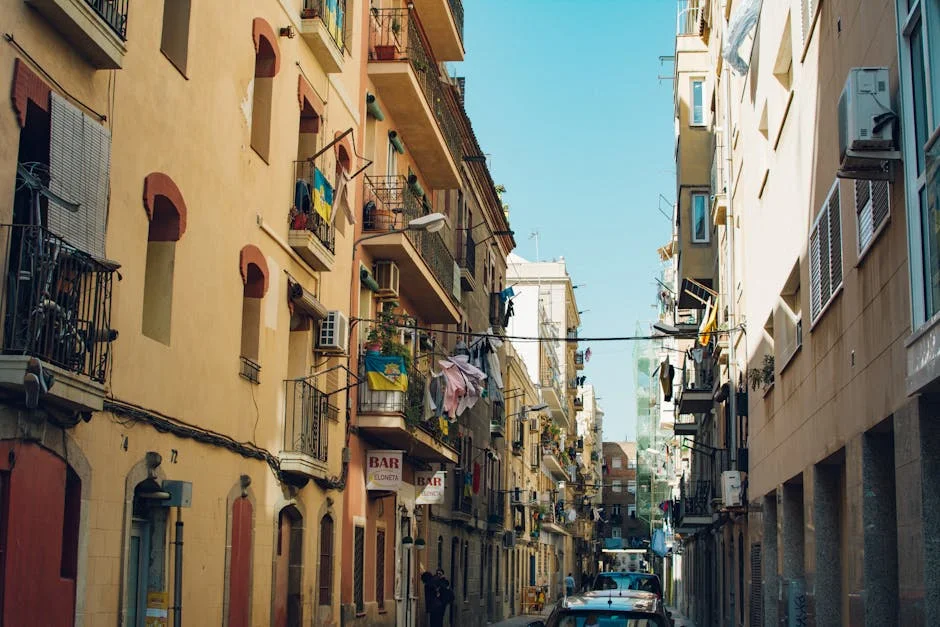
Vizinhos, a local advocacy group, has been vocal about the disruptive impact of tourism on the city's neighborhoods. The group argues that the current situation is unsustainable and poses a risk to the cultural and social fabric of the city.
Residents report increased living costs and a loss of community spaces to tourist accommodations. These issues have been exacerbated by the lack of effective governance in regulating tourist activities within the city.
Lessons for African Development
The challenges faced by Barcelona offer valuable lessons for African cities experiencing growth in tourism. Many African countries are aiming to boost tourism as a path to economic development, but the Barcelona experience underscores the importance of sustainable planning.
African cities can learn to balance tourism growth with local community needs, ensuring that development goals align with preserving cultural heritage and providing economic opportunities for locals.
Implementing Sustainable Tourism
To achieve sustainable tourism, cities need to develop comprehensive strategies that include limiting tourist numbers, investing in infrastructure, and promoting off-season travel.
Engagement with local communities is crucial to ensure that tourism benefits are equitably distributed and that the local way of life is preserved. These strategies are vital for African cities aiming to harness tourism for development.
Vizinhos: A Model for Community Action
The advocacy work of Vizinhos highlights the power of community action in addressing tourism challenges. The group has successfully lobbied for regulatory measures and raised awareness about the negative impacts of unchecked tourism.
This grassroots approach can inspire similar movements across African cities, where community engagement is essential for effective governance and sustainable urban planning.
Vizinhos' efforts demonstrate that local communities can play a pivotal role in shaping tourism policies and ensuring they align with broader development goals.
Looking Ahead: Solutions and Steps Forward
Barcelona is currently exploring new policies to manage its tourist influx, such as implementing tourist caps and diversifying tourist attractions to less crowded areas. These efforts aim to alleviate the pressure on popular sites and improve the quality of life for residents.
For African cities, the next steps involve crafting a robust tourism strategy that incorporates lessons from Barcelona, focusing on sustainability and community involvement. Monitoring the outcomes of Barcelona's new policies will provide further insights into best practices for managing tourism growth.
As cities worldwide face similar challenges, the emphasis must remain on sustainable development that benefits both tourists and local populations.