South African education officials are facing mounting pressure to address a sharp rise in sexual violence reported across the country's schools. Rights groups and teachers' unions say existing safeguards have failed to protect learners, prompting urgent calls for systemic reform of how schools handle abuse cases. The controversy has intensified after a series of high-profile incidents drew national attention to the crisis inside classrooms.
Incidents Trigger National Outcry
Schools across multiple provinces have reported increasing cases of sexual assault, harassment, and intimidation involving both students and staff. Local media documented at least 47 verified incidents in the past year alone, according to figures compiled by the Centre for Child Law at the University of Pretoria. The numbers represent only cases that reached official channels, advocates say, suggesting the true scale could be far larger.
In Gauteng province, investigators discovered that a substitute teacher allegedly assaulted three pupils at a primary school before authorities were alerted. The case exposed gaps in background screening processes that schools are required to follow. Parents in the area demanded immediate action during a community meeting held last month.
Systemic Failures Under Scrutiny
The Basic Education Department operates a register meant to bar individuals convicted of sexual offences from working near children. However, critics argue the vetting system contains critical weaknesses. Prospective employees sometimes enter schools on temporary contracts before full clearance is completed, creating windows where predators can access vulnerable students.
Teachers' unions have pointed to chronic understaffing as another contributing factor. Overcrowded classrooms make it harder for educators to notice warning signs or intervene when abuse occurs. The South African Democratic Teachers' Union published a report this month calling for increased counsellor deployment and improved training on identifying grooming behaviour.
Legislative and Policy Gaps
Current legislation requires schools to report suspected abuse within 72 hours, but compliance varies widely across the nine provinces. Some rural districts lack dedicated child protection officers, leaving teachers without clear guidance on where to direct complaints. The National Prosecuting Authority has acknowledged that conviction rates for school-based sexual offences remain disappointingly low, partly due to inconsistent evidence collection.
Civil society organisations argue the problem stems partly from a culture of silence. Survivors and their families often face stigma, retaliation, or disbelief, which discourages reporting. Genderlinks, a regional gender justice group, has advocated for confidential reporting mechanisms that allow victims to come forward without immediately alerting school administrators.
Government Response Falls Short
Minister of Basic Education Angie Motshekga announced a task team to review safety protocols in March. The team includes representatives from her department, the South African Police Service, and nongovernmental organisations. Its mandate covers updating screening procedures, standardising incident reporting, and establishing specialised support units in every district.
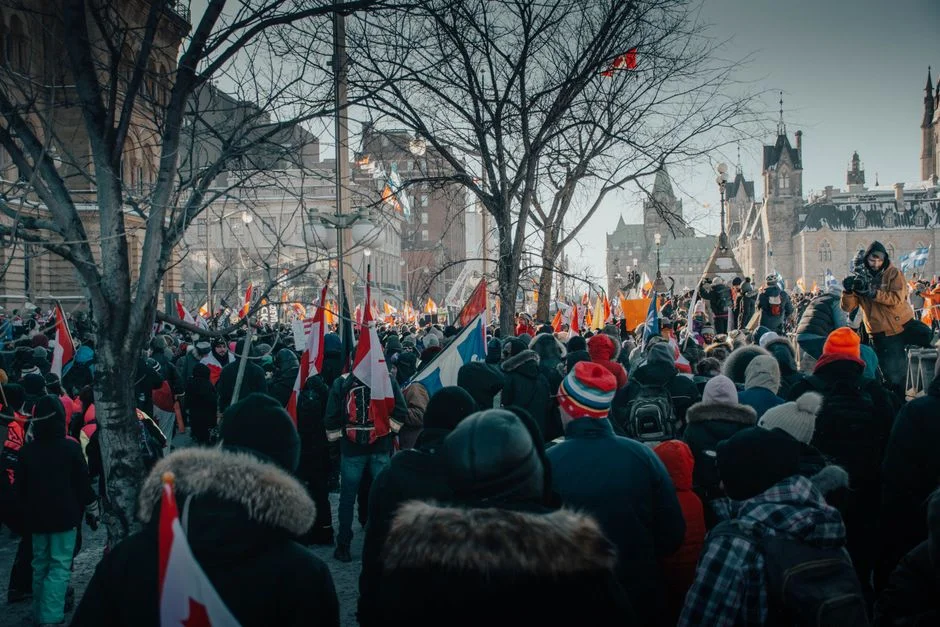
Critics contend the task team moves too slowly for a crisis of this magnitude. The Democratic Alliance opposition party submitted parliamentary questions demanding a timeline for implementation. Meanwhile, activists have staged demonstrations outside department offices in Pretoria, holding signs reading "Our Children Are Not Safe."
Advocates Push for Comprehensive Overhaul
Rape Crisis Cape Town Metro has trained peer educators in over 200 schools to recognise abusive patterns and support fellow students. The organisation's director told a recent forum that prevention programmes must reach beyond students to include parents and community members who often serve as perpetrators. Most sexual violence against schoolchildren occurs outside school grounds, she noted.
Human Rights Watch published findings last year documenting how gender-based violence pervades South African educational environments. The report recommended mandatory consent education, confidential helplines, and independent monitoring bodies with authority to conduct unannounced inspections of schools. The organisation called on President Cyril Ramaphosa to prioritise school safety as part of his administration's gender-based violence strategy.
What Happens Next
The interministerial task team is expected to deliver its recommendations by the end of the current parliamentary term. Education officials have pledged to pilot new reporting software in selected districts before expanding nationwide. Survivors' groups say they will monitor implementation closely and publish independent assessments of progress.
Parents and learners should watch whether Parliament allocates additional funding for school safety initiatives in the upcoming budget cycle. Whether the government follows through on reform promises will likely determine whether South Africa can reverse the trend that has left many families afraid to send children to school.
See Also
- India's Vessels Leave Hormuz as Regional Tensions Rise
- Uganda Ebola Surge Triggers Urgent Travel Alert
Its mandate covers updating screening procedures, standardising incident reporting, and establishing specialised support units in every district.Critics contend the task team moves too slowly for a crisis of this magnitude. Whether the government follows through on reform promises will likely determine whether South Africa can reverse the trend that has left many families afraid to send children to school.
What is the latest news about south africa schools face surge in sexual violence reformers demand action?
Why does this matter for environment-nature?
What are the key facts about south africa schools face surge in sexual violence reformers demand action?