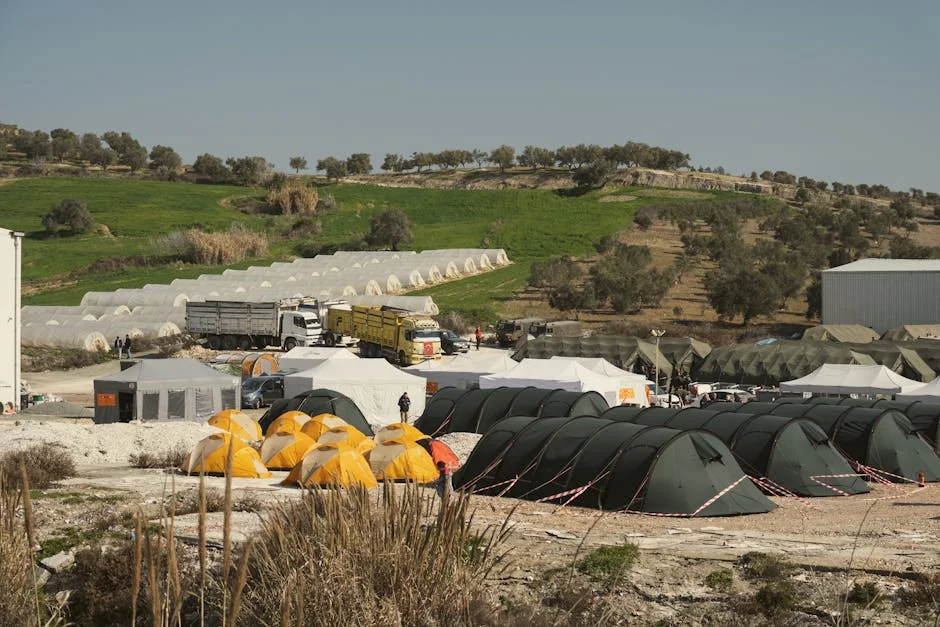
Ebola virus cases are surging in Eastern Congo, pushing local health facilities to the brink of collapse. The resurgence brings fresh grief to communities already battered by decades of conflict and disease. Medical teams in North Kivu are racing to contain the spread before it overwhelms the fragile system.
This outbreak is not just a medical emergency; it is a stark test of African development goals. The World Health Organization warns that without immediate action, the virus could destabilize the region further. For Nigeria and other West African nations, the situation offers a critical lesson in continental health security.
Healthcare Systems Under Pressure

The Bunia General Hospital is currently serving as a frontline defense against the virus. Staff there are working double shifts with limited supplies to treat patients and isolate new arrivals. The pressure on the facility highlights the chronic underfunding of public health in the Democratic Republic of Congo.
Doctors and nurses face a daunting task. They must diagnose patients quickly while protecting themselves from infection. The lack of basic equipment makes every decision critical. One mistake can lead to a cluster of new cases, spreading fear through the surrounding villages.
This strain on Bunia General Hospital developments explained by local officials points to a deeper structural issue. Infrastructure in Eastern Congo has improved in patches, but consistency remains elusive. Roads are often impassable, and electricity is unreliable, complicating the storage of vaccines and medicines.
The situation in Bunia is a microcosm of the challenges facing the entire continent. When one hospital struggles, the entire regional network feels the impact. This interconnectedness means that health crises in Congo do not stay confined within borders.
Continental Development and Health Security
The Ebola outbreak in Eastern Congo directly impacts African Union health objectives. The continent aims to achieve universal health coverage by 2030, but recurrent epidemics threaten this timeline. Each outbreak drains resources that could be used for education, infrastructure, or economic growth.
For Nigeria, the crisis serves as a timely reminder of the importance of regional cooperation. The African Union’s Continental Medical Countermeasures Agency is designed to respond to such threats. However, its effectiveness depends on the willingness of member states to invest in shared resources.
Bunia General Hospital analysis Nigeria experts suggest that West Africa can learn from Congo’s experience. The 2014–2016 Ebola epidemic in West Africa showed how quickly the virus can spread. Preparedness is not just about having vaccines; it is about having a responsive system.
The development of health infrastructure must be a priority for African governments. Investing in hospitals and training medical staff yields long-term economic benefits. A healthy workforce is more productive and contributes more to the gross domestic product.
Regional Spillover Risks
The risk of spillover into neighboring countries is high. Eastern Congo shares borders with Uganda, Rwanda, and South Sudan. These nations have their own health challenges, and an influx of refugees or traders can carry the virus across borders.
Eastern Congo At health update reports indicate that border controls are being tightened. However, enforcement is difficult in a region where trade is often informal. People move across borders daily for work, marriage, and commerce.
Eastern Congo At latest news shows that Uganda is on high alert. The country has opened its own treatment centers and is monitoring its population closely. This proactive approach is essential to prevent a second wave of infections.
The situation underscores the need for a pan-African health strategy. No single country can fight Ebola alone. Coordination between governments, NGOs, and international partners is crucial for effective containment.
Economic Consequences of the Outbreak
Health crises have a direct impact on economic growth. In Eastern Congo, the Ebola outbreak disrupts trade and agriculture. Farmers are afraid to take their produce to market, and traders hesitate to travel along major routes.
The economic cost is significant. The World Bank estimates that recurrent epidemics can reduce annual economic growth by up to 0.5 percent in affected regions. For a country like Congo, which is rich in minerals but poor in infrastructure, this loss is substantial.
Small businesses are hit hardest. Shops close, wages are delayed, and savings are depleted. This economic strain makes it harder for families to recover after the virus subsides. It also increases poverty levels, creating a vicious cycle of vulnerability.
The impact extends beyond Congo. As a major producer of cobalt and copper, Congo is vital to the global supply chain. Disruptions in the mining sector can affect prices and availability of these key resources worldwide.
Governance and Public Trust
Effective response to Ebola depends heavily on public trust. In Eastern Congo, trust in the government is often low due to political instability and corruption. This skepticism can lead to resistance against vaccination and isolation measures.
Governance challenges are a major hurdle in disease control. If people do not believe the information provided by health officials, they may hide their symptoms or delay seeking treatment. This behavior allows the virus to spread silently.
Community engagement is therefore essential. Local leaders, religious figures, and traditional healers play a key role in communicating health messages. Their endorsement can encourage people to adopt preventive measures and seek care early.
The role of the Ministry of Health is critical in coordinating these efforts. Transparent communication and consistent action can help rebuild trust. However, this requires time and resources that are often in short supply.
Lessons for African Development
The Ebola outbreak in Congo offers valuable lessons for the broader African development agenda. It highlights the need for integrated approaches that combine health, infrastructure, and governance. Siloed efforts often fail to address the root causes of vulnerability.
Investment in health infrastructure is an investment in stability. Stronger hospitals and clinics can handle crises more effectively, reducing the economic and social disruption. This resilience is crucial for attracting foreign investment and fostering economic growth.
Regional cooperation is another key takeaway. The African Continental Free Trade Area aims to boost economic integration, but health security is a prerequisite. If diseases can cross borders freely, trade and movement of people will always be at risk.
Nigeria and other large economies can take the lead in driving this cooperation. By sharing best practices and resources, African nations can build a more robust health architecture. This collective strength will benefit the entire continent.
Immediate Response and Future Steps
The immediate response focuses on rapid testing, isolation, and vaccination. Teams are deploying to high-risk areas to identify cases quickly. The goal is to flatten the curve of infections before the health system is overwhelmed.
International aid is pouring in to support these efforts. The World Health Organization, UNICEF, and various NGOs are providing supplies and expertise. However, aid alone is not enough; local ownership of the response is critical for sustainability.
Looking ahead, the focus must shift to long-term resilience. This includes building more hospitals, training more healthcare workers, and improving data collection systems. These investments will pay dividends in future crises and in peacetime.
The next few weeks will be crucial in determining the trajectory of the outbreak. If cases continue to rise, the situation could escalate into a regional emergency. Stakeholders must remain vigilant and coordinated.
Readers should watch for updates on vaccination coverage and border control measures. The effectiveness of these interventions will determine whether the virus is contained or allowed to spread. The coming month will reveal the strength of Congo’s health response.
See Also
- Morocco Wins Lalla Meryem Cup as Huang Makes History
- Trump's African Health Strategy Collapses: What It Means for Nigeria's Future
Economic Consequences of the Outbreak Health crises have a direct impact on economic growth. Farmers are afraid to take their produce to market, and traders hesitate to travel along major routes.
What is the latest news about ebola resurges in eastern congo hospitals face critical strain?
Why does this matter for health-medicine?
What are the key facts about ebola resurges in eastern congo hospitals face critical strain?