The Nigeria Hydrological Services Agency has warned that more than 18 million Nigerians across multiple states face significant exposure to flooding in the coming months. The warning, issued through Vanguard News, represents one of the largest flood risk alerts in recent years for Africa's most populous nation. Authorities say communities along major rivers and low-lying areas are particularly vulnerable as the rainy season intensifies.
Scale of the Flooding Threat
NiHSA confirmed that its monitoring stations have detected elevated water levels in several river systems across the country. The agency estimates that 18 million people live in areas designated as high-risk zones. This figure includes populations in both urban centres and rural communities where flood defences remain limited. The warning covers states spanning from the Niger Delta region through to inland areas near major waterways.
The assessment draws on hydrological data collected between January and May. Seasonal patterns suggest peak flood conditions typically arrive between July and October. Officials stress that the current projections could shift depending on rainfall intensity in the coming weeks. Communities are being urged to monitor official communications and prepare evacuation plans now rather than waiting for emergency orders.
Vulnerable Regions and Communities
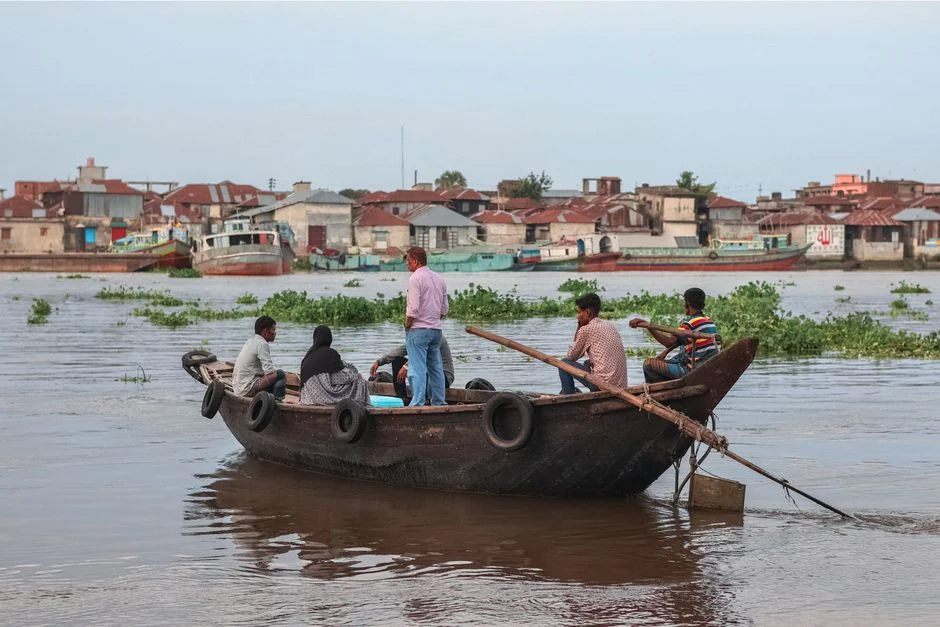
States along the Niger River basin face the most severe exposure. Delta, Bayelsa, and Rivers states have historically recorded some of the highest flood impacts in Nigeria. Flooding in these areas often destroys farmland, displaces thousands of households, and disrupts essential services including healthcare and education. Local authorities in affected states have begun stockpiling relief materials, though aid workers say resources remain insufficient for a crisis of this scale.
Beyond the riverine states, urban flooding presents a growing challenge. Lagos, Nigeria's commercial capital, experiences annual flooding that paralyzes major roads and damages property worth billions of naira. NiHSA notes that rapid urbanisation has worsened drainage problems in many cities. Construction in floodplains and the blocking of natural water channels have reduced the land's capacity to absorb rainfall. The agency is working with state governments to identify critical drainage points requiring immediate intervention.
Climate Factors Driving the Risk
Meteorologists attribute the elevated flood risk partly to changing rainfall patterns across West Africa. The Nigerian Meteorological Agency has reported above-average precipitation forecasts for the current season. Warmer ocean temperatures in the Gulf of Guinea are influencing weather systems that bring concentrated rainfall to the region. These conditions create a higher likelihood of flash floods even in areas not traditionally considered high-risk.
Government Response and Preparedness Measures
The Federal Ministry of Water Resources has indicated that it is coordinating with state emergency management agencies to prepare for potential mass displacements. Evacuation centres in high-risk states have been identified and are being stocked with food, clean water, and medical supplies. However, officials acknowledge that the sheer scale of the population at risk presents logistical challenges. Road infrastructure in some rural areas remains poor, complicating evacuation efforts when flooding occurs.
NiHSA has called for better enforcement of building regulations in flood-prone areas. The agency argues that many of the worst flooding impacts result from human activity rather than natural factors alone. Unauthorized construction in water channels and the filling of wetlands for development have increased flood vulnerability across Nigeria. Enforcement of existing laws remains inconsistent, particularly in rapidly growing urban areas where informal settlements expand faster than regulatory oversight can follow.
Economic and Social Consequences
Agricultural communities face particular hardship if flooding matches current projections. Farmers in affected states are reporting anxiety about the upcoming harvest season. Floodwaters destroy crops, kill livestock, and contaminate soil in ways that affect yields for multiple seasons. Nigeria already imports significant quantities of food to meet domestic demand, and widespread agricultural losses could further strain the economy and push food prices higher.
Displacement from flooding also disrupts education. Schools in affected areas often serve as evacuation centres, suspending classes for weeks or months. Children in flood-prone communities experience repeated interruptions to their learning. Health officials worry about disease outbreaks following flooding, as stagnant water creates breeding grounds for mosquitoes and contaminates drinking water sources. Cholera and malaria cases typically surge in flood-affected regions, straining already limited healthcare facilities.
What Comes Next
NiHSA plans to issue updated flood risk assessments every two weeks throughout the rainy season. The agency has committed to sharing this data with state emergency response coordinators and the National Emergency Management Agency. Communities in high-risk zones should expect direct communication from local officials about evacuation routes and shelter locations. Those living near rivers or in low-lying areas are advised to move valuables to higher ground and identify neighbours who may need assistance during an emergency.
The upcoming months will test Nigeria's flood response capacity at a scale not seen in recent years. International humanitarian organisations are monitoring the situation closely. How effectively federal and state agencies coordinate their response will determine whether the 18 million people at risk receive the protection they need when floodwaters rise.
See Also
- Headway Broker Enters Nigeria: Forex Market Set for Major Shift
- Desperation Fuels Gold Rush in South African Township of Springs
Nigeria already imports significant quantities of food to meet domestic demand, and widespread agricultural losses could further strain the economy and push food prices higher.Displacement from flooding also disrupts education. The agency argues that many of the worst flooding impacts result from human activity rather than natural factors alone.