Prime Minister Abiy Ahmed's Prosperity Party has claimed a decisive victory in Ethiopia's national election, securing a second term in office after a vote that drew widespread attention across the Horn of Africa. The result, announced by the National Election Board of Ethiopia on Monday, handed the ruling party control of parliament amid persistent warnings from observers that the political landscape remains deeply fractured along ethnic lines.
Landmark Vote Follows Years of Unrest
The election, held after multiple delays caused by logistical challenges and security concerns, saw Prosperity Party dominate the 547-seat House of People's Representatives. Abiy Ahmed, who came to power in 2018 promising economic reforms and political openness, framed the vote as a mandate for his reform agenda. Turnout figures released by the election board showed approximately 73 percent of registered voters participated, though opposition parties contested results in several regions, particularly in the Oromia and Somali territories.
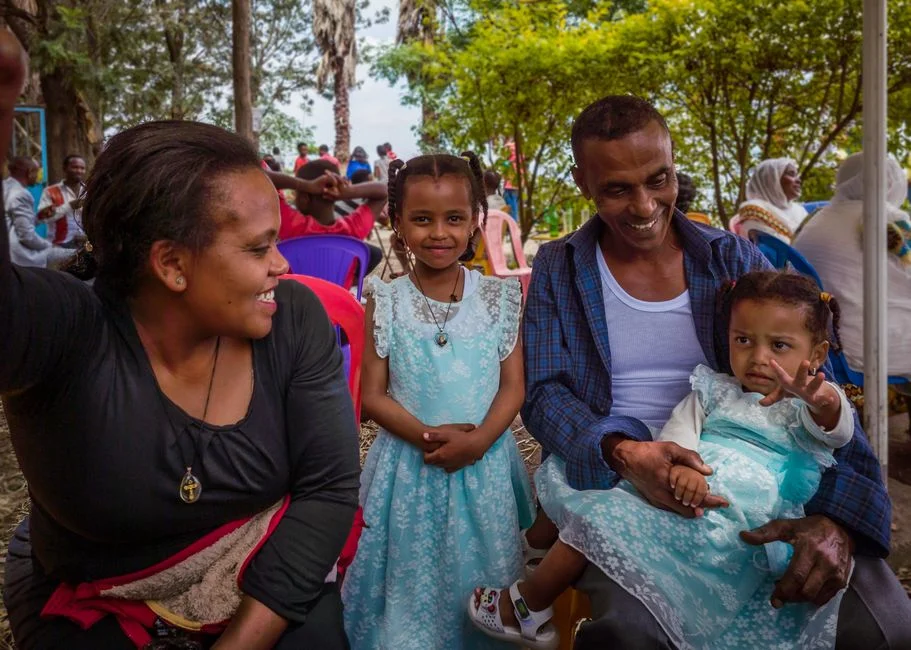
International monitors from the African Union and regional bodies deployed observers to key constituencies, though their assessments were mixed. Some opposition coalitions alleged irregularities in vote counting and the disqualification of candidates in contested areas. The European Union declined to send a full monitoring mission, citing restrictions on its access to certain regions.
Ethnic Divisions Still Run Deep
Despite the electoral victory, analysts warn that Abiy Ahmed inherits a nation still scarred by ethnic violence. The period between 2020 and 2022 saw brutal conflict in the northern Tigray region, where tens of thousands died and millions were displaced following a military confrontation between federal forces and the Tigray People's Liberation Front. While a peace agreement was signed in late 2022, tensions between ethnic groups over land, resources, and political representation have continued to simmer in several areas.
Local governance experts in Addis Ababa point to a pattern of communal clashes in the Amhara, Oromia, and SNNPR regions over the past 18 months. Property disputes, boundary disagreements, and competition for administrative control have repeatedly spilled into violence, displacing rural communities and straining already limited humanitarian resources.
Economic Pressures Compound Political Strains
The electoral mandate arrives as Ethiopia faces mounting economic headwinds. The birr has depreciated against major currencies on parallel markets, driving up the cost of imported goods. The government has pursued IMF-backed reforms, including fuel price adjustments and foreign exchange liberalisation, measures that have drawn criticism from labour unions and opposition politicians who argue vulnerable populations bear the brunt of austerity.
Foreign direct investment, once a cornerstone of Abiy Ahmed's growth strategy, has slowed amid concerns about regulatory uncertainty and security incidents in border regions. The Djibouti-Addis Ababa corridor, critical for Ethiopian exports, has remained operational, but logistics operators report rising insurance premiums and transport delays linked to sporadic checkpoints and documentation requirements.
What the Victory Margin Means for Policy
With a commanding parliamentary majority, the Prosperity Party can advance its legislative programme without relying on coalition partners. Government spokespersons have indicated priority areas include infrastructure spending, agricultural modernisation, and digital transformation initiatives. However, critics within Ethiopia's fractured opposition argue that a one-party dominance risks deepening marginalisation of minority groups who feel their concerns go unheard in Addis Ababa.
Regional Powers Watch Closely
Ethiopia's neighbours have a stake in its stability. Sudan, Kenya, and Djibouti all maintain significant trade and security relationships with Addis Ababa. The African Union, headquartered in the Ethiopian capital, has repeatedly called for inclusive governance and dialogue with opposition groups. Regional mediators who helped broker the Tigray peace accord are now urging the federal government to extend similar engagement to other ethnic political movements that boycotted or were barred from the election.
Somalia's federal authorities, grappling with their own security challenges, have sought reassurance from Addis Ababa that Ethiopian internal instability will not disrupt joint operations against al-Shabaab militants. Kenya's foreign ministry issued a statement congratulating Ethiopia on the conduct of the vote while emphasising the importance of peaceful transitions within federal systems.
International Partners Demand Continued Reform
Western donors, who provide significant development assistance to Ethiopia, have offered cautious welcomes to the election result. The United States embassy in Addis Ababa urged all parties to address outstanding grievances through legal channels and called for accountability regarding reported human rights violations during the pre-election period. The UK Department for International Development has continued funding programmes in health and education, though officials have signalled that future aid allocations may be tied to governance benchmarks.
The World Bank has maintained its portfolio of infrastructure and institution-building projects in Ethiopia, with a portfolio value exceeding $7 billion. Bank representatives have engaged with the new parliament on fiscal sustainability, though internal discussions within the institution reflect debates about how to balance support for development with pressure on human rights standards.
What Comes Next for Abiy Ahmed's Government
Cabinet appointments and the formation of a new government are expected within the coming weeks. Abiy Ahmed has signalled a cabinet reshuffle, with speculation that several long-serving ministers will be replaced by younger technocrats. The appointment of a new president for the Somali Region, currently a flashpoint for communal tension, is among the decisions observers are watching most closely.
Opposition coalitions have not ruled out legal challenges to results in specific constituencies, a process that could delay the certification of final seat counts. Meanwhile, civil society organisations in Addis Ababa and regional cities are preparing monitoring reports on government responsiveness to pledges made during the campaign, particularly regarding youth employment and land rights.
The next six months will test whether Abiy Ahmed can translate electoral dominance into genuine progress on the economic and social fractures that have defined his turbulent second term. Donors, regional partners, and Ethiopian citizens alike will be watching for signals on whether the government intends to pursue reconciliation with sidelined ethnic groups or consolidate control through administrative means.
See Also
- Mohamed Salah Surges Ahead in Premier League Rankings — Where Does He Stand Now?
- US Eases Sanctions on Iranian Oil as Global Energy Prices Surge
What is the latest news about ethiopias ruling party wins landslide but fresh conflict fears are growing?
Why does this matter for environment-nature?
What are the key facts about ethiopias ruling party wins landslide but fresh conflict fears are growing?