South African authorities expelled 2,745 foreign nationals during a single week-long enforcement operation, according to government figures released Sunday. The mass deportation effort marks one of the most intensive immigration crackdowns in recent memory and has drawn attention to Pretoria's escalating efforts to address undocumented migration within its borders.
Vanguard News reported the figures, which cover arrests, processing, and removals carried out over the seven-day period. President Cyril Ramaphosa's administration has faced mounting pressure to demonstrate action on immigration, a politically sensitive issue that resonates across South Africa's economically diverse communities.
Enforcement Operation Details
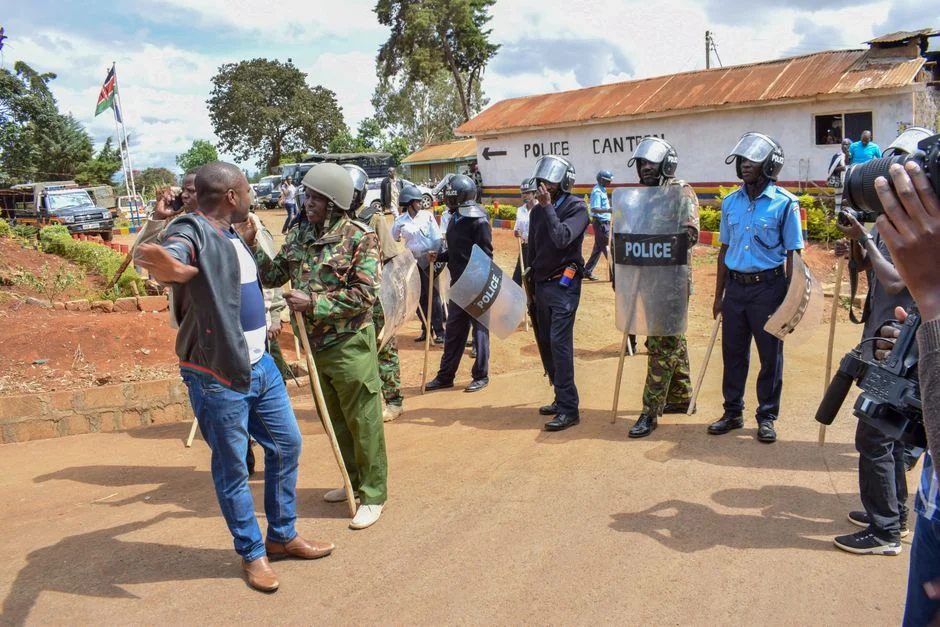
The operation involved coordinated sweeps across multiple provinces, with security personnel targeting individuals lacking valid documentation or legal residency status. Officials described the effort as routine enforcement of existing immigration law, though the scale exceeded typical weekly figures.
Authorities did not immediately disclose the nationalities of those expelled or the specific countries to which they were returned. The government has historically declined to break down deportation figures by origin country, citing diplomatic sensitivities.
Political Context and Drivers
Immigration has become an increasingly charged topic in South African politics. Anti-immigrant sentiment has flared periodically, often concentrated in urban areas where competition for jobs and public services intensifies during economic downturns. Ramaphosa has sought to balance demonstrating enforcement capability while avoiding the kind of xenophobic rhetoric that has sparked violence in past years.
The timing of Sunday's announcement coincided with heightened political attention on border security. Parliament has debated amendments to immigration legislation in recent months, with proposals ranging from stricter visa requirements to expanded detention facilities for those awaiting processing.
Government Justification
Cabinet ministers defended the deportation figures as evidence of a functioning immigration system. They argued that orderly enforcement protects both South African citizens and lawful migrants by maintaining the integrity of legal residency pathways.
Critics, however, questioned whether such intensive enforcement addresses the root causes of irregular migration or simply displaces vulnerable populations. Non-governmental organisations working with migrant communities say many those expelled had lived in South Africa for years, often working in sectors facing genuine labour shortages.
Economic and Social Dimensions
South Africa hosts one of the largest immigrant populations on the African continent, with estimates suggesting between one and two million documented and undocumented foreign nationals reside in the country. Many work in agriculture, construction, domestic service, and informal trade.
Business groups have registered concerns about labour disruptions in sectors dependent on immigrant workers. The mining industry, which has long relied on foreign employees in certain roles, declined to comment directly on the deportation figures but emphasised the importance of orderly labour markets.
Regional Migration Patterns
South Africa's position as the continent's most industrialized economy makes it a natural destination for migrants from neighbouring countries and further abroad. Zimbabwe, Mozambique, Lesotho, and Malawi account for significant portions of documented cross-border movement, though precise figures remain contested.
Border management has posed persistent challenges. The nearly 5,000-kilometre perimeter that South Africa shares with six countries includes remote stretches difficult to patrol continuously. Smugglers and trafficking networks exploit these gaps, according to security analysts.
International and Diplomatic Implications
The deportation figures arrive at a moment when migration governance has become a focal point in African Union discussions. Regional leaders have debated harmonising asylum and residency standards, though progress has been limited by economic disparities and political pressures in individual member states.
Relations with sending countries occasionally strain over deportation practices. Past disputes have arisen regarding the treatment of nationals during removals and the speed at which governments process exit paperwork.
What Happens Next
Parliamentary committees are expected to review immigration enforcement data in coming weeks as part of broader oversight of the home affairs ministry. Civil society organisations have requested access to records documenting the legal basis for each removal carried out during the operation.
Watch for whether the government sustains this enforcement tempo or whether weekly figures return to lower levels. The approach taken in the months ahead will signal whether the recent push represents a temporary campaign or a sustained policy shift under Ramaphosa's leadership.
See Also
- South Africa Kicks Off Schoolboy Rugby First XV Matches — Uniting Youth Through Sport
- Saraki Denies Offa Bank Robbery Charges, Accuses Political Plot
What is the latest news about south africa deports 2745 foreigners in seven days?
Why does this matter for politics-governance?
What are the key facts about south africa deports 2745 foreigners in seven days?