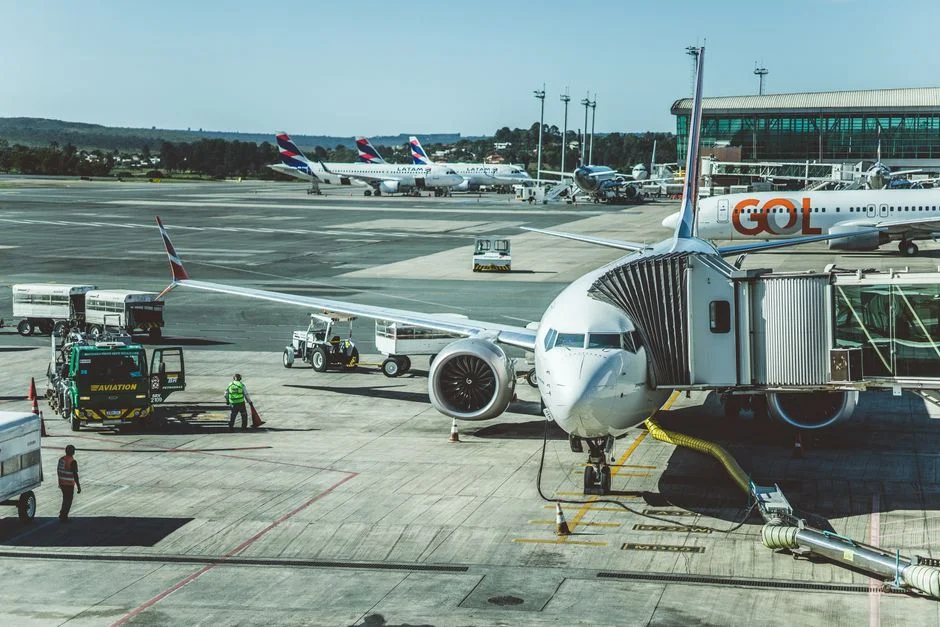
Nigeria has rescheduled the airlifting of citizens who wish to leave South Africa following a wave of xenophobic attacks that have targeted foreign nationals across multiple South African cities. The Federal Government confirmed the new timeline on Thursday, with officials stating that arrangements are underway to bring willing evacuees home as safely and quickly as possible.
Updated Evacuation Timetable
The High Commission in Pretoria announced that the airlift operation would proceed under revised dates. Authorities in Abuja have coordinated with airline partners to secure additional seats and ensure compliance with security protocols at departure points. Officials confirmed that all Nigerian nationals currently registered with the mission and expressing willingness to leave will be accommodated in the coming days.
Diplomatic sources indicated that the rescheduling was necessary to finalise documentation and ensure adequate reception facilities in Nigeria. The Ministry of Foreign Affairs in Abuja has set up a dedicated helpline for families seeking updates on the evacuation process.
Xenophobic Violence Across South Africa
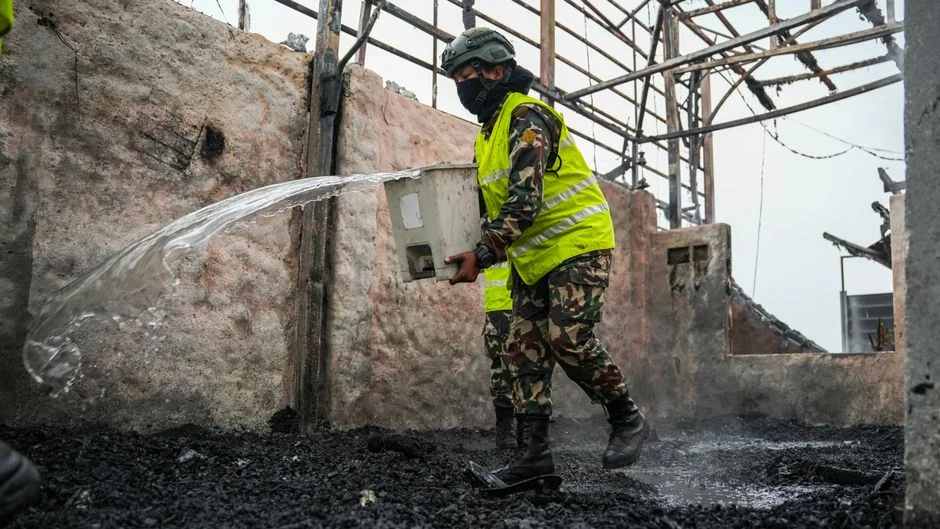
The attacks began targeting foreign nationals in Johannesburg before spreading to other urban centres. Shop owners from Nigeria, Somalia, and other African nations reported incidents of arson, robbery, and physical assault. Local media footage showed businesses razed and families fleeing their homes in the dead of night.
South African authorities deployed police units to affected areas, but residents say the response has been uneven. In some townships, community leaders attempted to intervene and protect foreign-owned shops, while in others, mobs operated with apparent impunity for hours.
Government Response in Pretoria
South Africa's government condemned the violence but faced criticism for what opponents called an inadequate early response. The Minister of Police addressed parliament and pledged increased patrols and arrests of perpetrators. Local law enforcement agencies confirmed they had opened criminal investigations into multiple incidents.
The Southern African Development Community issued a statement urging member states to work together to protect the rights of all migrants and refugees within their borders.
Nigerian Nationals Register for Evacuation
The Nigerian High Commission opened emergency registration centres in Johannesburg and Cape Town. Officials reported a surge in requests from citizens seeking to return home. The diaspora community, which numbers in the tens of thousands, includes long-term residents as well as recent arrivals working in sectors from hospitality to information technology.
Community leaders in Johannesburg said they have been fielding distress calls around the clock. Some Nigerians who initially decided to stay have since changed their minds as the security situation failed to improve. The High Commission has advised citizens to remain indoors until the airlift operation begins.
Diplomatic Tensions Rise
The xenophobic attacks have strained relations between Abuja and Pretoria. Nigerian officials summoned the South African High Commissioner to register a formal protest. The Ministry of Foreign Affairs issued a travel advisory warning citizens to exercise extreme caution if visiting South Africa.
South Africa's Ambassador to Nigeria met with Nigerian government officials in Abuja. Both sides agreed on the need to protect Nigerian citizens and hold perpetrators accountable. However, analysts say the incident has rekindled long-standing debates about the treatment of African migrants within South Africa.
What Happens Next
The airlift aircraft is expected to arrive in South Africa within the week. Evacuees will be transported from Johannesburg's Oliver Tambo International Airport. Upon arrival in Nigeria, passengers will proceed through standard immigration procedures before being handed over to state governments for reintegration support.
Relatives in Nigeria have been urged to remain patient and await official confirmation before travelling to airports. The High Commission has promised regular updates through its website and social media channels.
Watch for the first evacuation flight to depart. The operation will signal whether Abuja can bring home all willing nationals quickly or whether logistical hurdles will delay the process further.
See Also
- UK Official Exposes Pressure to Expedite Envoy Appointment
- Tamil Nadu Polls: Tamakkal Sees Highest Turnout, Nilgiris Lowest
However, analysts say the incident has rekindled long-standing debates about the treatment of African migrants within South Africa.What Happens NextThe airlift aircraft is expected to arrive in South Africa within the week. The diaspora community, which numbers in the tens of thousands, includes long-term residents as well as recent arrivals working in sectors from hospitality to information technology.Community leaders in Johannesburg said they have been fielding distress calls around the clock.
What is the latest news about nigeria reschedules south africa airlift thousands awaiting evacuation?
Why does this matter for politics-governance?
What are the key facts about nigeria reschedules south africa airlift thousands awaiting evacuation?