South Africa's foreign minister will personally receive 268 Nigerian nationals on Thursday as diplomatic tensions between the two countries intensify following a wave of xenophobic violence. The reception marks the first formal intake of Nigerians displaced by attacks that swept through parts of Johannesburg and Pretoria in recent weeks.
Thursday Reception Confirmed by Foreign Affairs Ministry
The Department of Foreign Affairs announced the reception will take place at a government facility in Pretoria. Officials said the 268 citizens include men, women, and children who fled their homes in South African townships following targeted attacks on foreign-owned businesses and residences. The minister's personal involvement signals the gravity of the situation at the highest diplomatic levels.
South African authorities have faced mounting pressure from Abuja to protect Nigerian nationals after at least 12 people died during the violence. The two governments have maintained active communications throughout the crisis, though previous repatriation efforts stalled due to logistical constraints. Thursday's reception represents the largest single group transfer since the attacks began.
Background: Xenophobia Returns to South Africa
Xenophobic violence has periodically erupted in South Africa since the early 2000s, with Nigerian nationals frequently caught in the crossfire. Economic hardship, unemployment rates exceeding 30 percent, and frustration directed at foreign workers have fueled outbreaks of violence. The current wave began when groups of residents in the Alexandra township accused foreign nationals of stealing jobs and criminal activity.
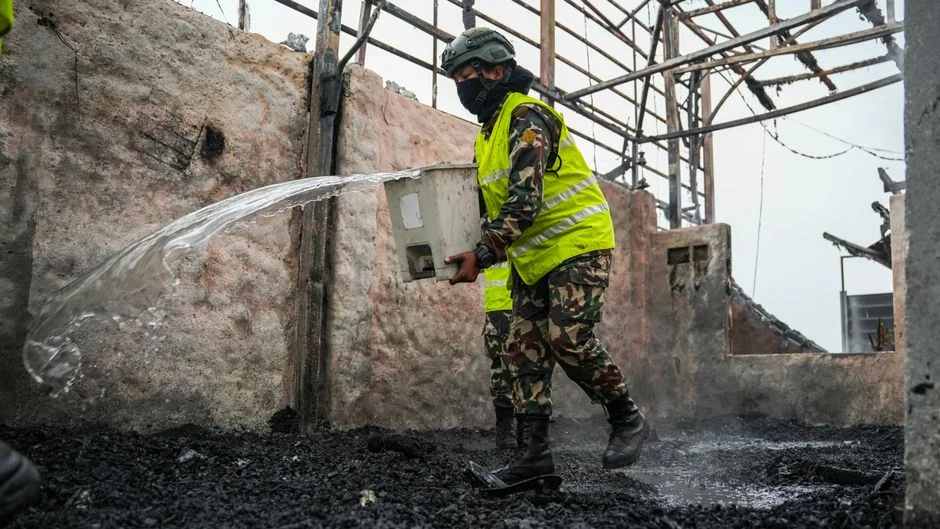
The government deployed police units to restore order, but the damage to foreign-owned shops and homes had already occurred. Nigerian business owners in areas like Sandton and Soweto reported losses estimated in the millions of rand. Local media carried images of burned-out structures and displaced families waiting for assistance at community centres.
Nigeria's Response and Diplomatic Channels
Nigeria's high commission in Pretoria has operated around the clock since the violence began, processing emergency requests from affected citizens. The foreign ministry in Abuja summoned South Africa's acting high commissioner to formally protest the attacks. Nigerian officials demanded concrete security measures and compensation for victims.
Diplomatic sources indicated that Thursday's reception forms part of a broader agreement reached between the two countries. The arrangement includes temporary shelter, travel documentation, and return flights for those who wish to go home. Not all 268 Nigerians have confirmed they want repatriation; some stated their intention to remain in South Africa once conditions improve.
Economic Dimensions of the Crisis
The attacks have disrupted informal trade networks that have sustained cross-border commerce for decades. Nigerian traders operating in South African markets have historically contributed to economic activity in both nations. The violence has forced many to abandon their investments, creating financial hardship that extends beyond the immediate victims.
South Africa's tourism sector has also felt fallout from the negative international coverage. Travel advisories issued by several countries warned citizens about safety concerns, potentially affecting bookings during the upcoming holiday season. Business groups have urged the government to take visible action to prevent further damage to the country's reputation.
What Happens Next
Thursday's reception will be closely watched by both governments as a test of their commitment to protecting foreign nationals. Human rights organisations plan to monitor the process to ensure adequate support reaches those affected. The South African government has promised enhanced police patrols in affected areas, though critics question whether such measures will prevent future outbreaks.
Those returning to Nigeria will face their own challenges upon arrival. The Nigerian government has indicated it will provide reintegration assistance, but resources are limited. Community leaders have called for international support to help absorb the returning citizens. Watch for developments from both capitals as the repatriation process unfolds through the coming weeks.
See Also
- Patrice Motsepe Demands Structural Overhaul After Afcon Final Glitches
- Sierra Leone Loses 40% of Mangroves — Oyster Harvesters Pay the Price