Sierra Leone faces an urgent ecological and economic crisis as coastal mangrove forests shrink at an alarming rate, directly threatening the livelihoods of thousands of women who depend on oyster harvesting for their daily income.
The destruction of these critical ecosystems in the Western Area and surrounding coastal regions is not just an environmental statistic; it represents a direct blow to food security and local economic resilience in one of West Africa’s most dynamic economies.
Vanishing Forests in Freetown
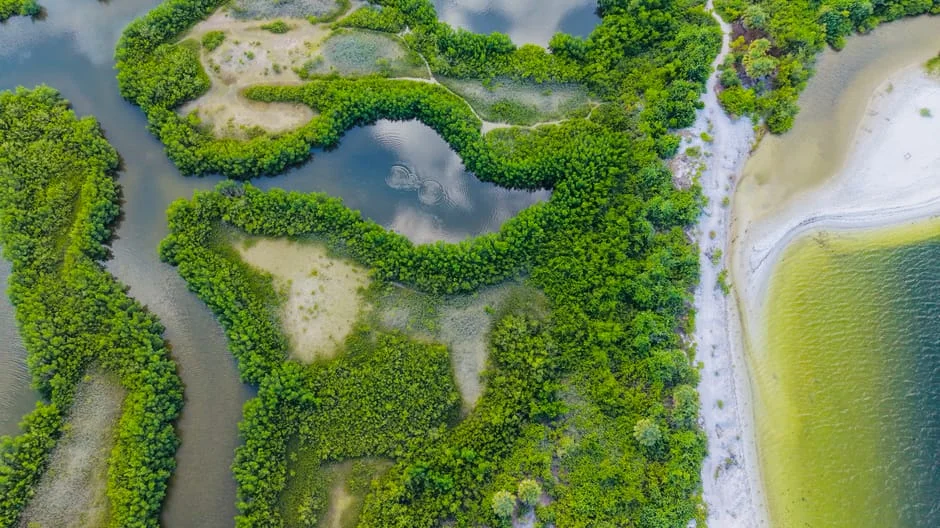
Recent assessments by the Forestry Administration Division indicate that Sierra Leone has lost approximately 40% of its mangrove cover over the last two decades, with Freetown bearing the brunt of this decline due to rapid urbanization and infrastructure projects.
This loss is visible along the coastlines where dense green buffers have been replaced by concrete structures and exposed sandy shores, leaving the land more vulnerable to erosion and storm surges that frequently batter the capital city.
The government has acknowledged the severity of the situation, noting that the pace of deforestation outstrips current reforestation efforts, creating a gap that local communities are forced to fill with their own resources and labor.
Oyster Harvesters Face Economic Squeeze
For the women of communities like Lumley and Karbana, the disappearing mangroves mean fewer oysters, which serve as a primary source of protein and cash income for households that often rely on a single daily harvest to survive.
These harvesters walk miles along the muddy banks each morning, sorting through the roots for the bivalves that sustain their families, but the diminishing yields force them to compete for smaller shares of a shrinking resource base.
The economic impact extends beyond the immediate income loss, as reduced oyster supplies drive up prices in local markets, making this affordable protein less accessible to the broader population in Freetown and its satellite towns.
Income Drops and Market Shifts
Market surveys reveal that the price of fresh oysters in Freetown’s central markets has risen by nearly 25% in the past year alone, a direct consequence of the reduced supply from the surrounding mangrove ecosystems that support the harvest.
This price increase disproportionately affects low-income families who rely on seafood as their main source of dietary protein, forcing many to switch to more expensive or less nutritious alternatives, thereby exacerbating food insecurity in urban areas.
Women’s cooperative leaders have reported that many members are now working longer hours for less pay, as they must travel further inland to find productive harvesting grounds, a trend that threatens the stability of their community-based economic structures.
Why This Matters for African Development
The situation in Sierra Leone offers a critical lesson for African nations striving to balance rapid infrastructure development with environmental preservation, a challenge that resonates deeply with countries like Nigeria, which also faces significant coastal erosion and mangrove loss.
African development goals emphasize sustainable growth, yet the reality on the ground often shows that environmental costs are frequently externalized, paid for by the most vulnerable populations who have the least political power to influence planning decisions in capital cities.
This dynamic highlights the need for integrated coastal zone management strategies that include local stakeholders, particularly women, in the decision-making process to ensure that development projects do not inadvertently dismantle the economic foundations of local communities.
Sierra Leone’s experience serves as a warning that without proper valuation of ecosystem services, such as the carbon sequestration and storm protection provided by mangroves, African nations risk losing valuable natural capital that could support long-term economic resilience and climate adaptation.
Infrastructure Growth Versus Environmental Balance
The drive to modernize Freetown has led to numerous infrastructure projects, including the construction of new hotels, resorts, and road networks that often encroach upon critical mangrove zones, prioritizing immediate economic gains over long-term ecological health.
Developers and city planners frequently view mangroves as "wasted space" or prime real estate, leading to the clearing of vast tracts of forest to make way for concrete foundations, a practice that accelerates soil erosion and reduces the natural buffer against rising sea levels.
The Ministry of Fisheries and Marine Resources has called for stricter enforcement of environmental impact assessments for new coastal developments, but implementation remains inconsistent, allowing many projects to proceed with minimal oversight or community consultation.
Community-Led Solutions Take Root
In response to the crisis, local women’s groups have launched grassroots reforestation initiatives, planting thousands of new mangrove seedlings along the coastlines to restore the habitat and secure their future oyster harvests, demonstrating remarkable community agency.
These initiatives are not just about planting trees; they involve creating "Oyster Banks," designated areas where the mangrove roots are allowed to regenerate undisturbed for several years to allow the oyster population to rebound and thrive in the stabilized sediment.
Local leaders argue that empowering these women with land tenure rights and access to microfinance can significantly enhance the success rate of these reforestation efforts, turning environmental restoration into a viable economic enterprise for coastal communities.
Regional Implications and Lessons for Nigeria
The challenges faced by Sierra Leone mirror those in Nigeria’s Niger Delta region, where mangrove loss has similarly impacted local fishing communities and contributed to increased flooding, suggesting a shared continental challenge that requires coordinated regional responses.
Nigeria, with its extensive coastline and rapidly growing urban centers like Lagos, can learn from Sierra Leone’s experiences by integrating gender-sensitive approaches to coastal management, recognizing that women are often the primary managers of coastal resources and the first to feel the impact of environmental degradation.
Strengthening cross-border collaboration on mangrove conservation could help West African nations pool resources, share best practices, and develop unified policies that protect these vital ecosystems, thereby enhancing regional food security and climate resilience for millions of people.
Policy Gaps and Governance Challenges
Despite the clear evidence of mangrove decline, policy frameworks in Sierra Leone often lack the teeth to enforce compliance, with penalties for encroachment being relatively low compared to the potential profits from coastal real estate development and tourism projects.
Corruption and weak institutional capacity further complicate governance, as local officials sometimes prioritize short-term revenue generation from land sales over long-term environmental sustainability, leading to a patchwork of protection efforts that struggle to make a dent in the overall trend of deforestation.
Experts from the Forestry Administration Division stress that effective governance requires not just better laws, but also stronger enforcement mechanisms and greater transparency in how coastal lands are allocated, ensuring that public interest is not overshadowed by private gains.
Economic Opportunities in Blue Growth
Sierra Leone’s mangrove crisis also presents an opportunity to tap into the "Blue Economy," leveraging the ecological value of mangroves to attract eco-tourism, carbon credits, and sustainable fisheries management initiatives that can generate steady income for local communities.
By branding its coastal areas as prime destinations for eco-tourism, the government can create jobs and diversify the local economy, reducing the pressure on mangroves from traditional extraction methods like firewood collection and timber harvesting that have long driven deforestation.
Investing in sustainable oyster farming and aquaculture can also provide a more stable income source for harvesters, allowing them to manage the resource more effectively and reduce the wild-harvesting pressure that currently threatens the oyster population’s ability to recover and grow.
What to Watch in the Coming Months
Readers should monitor the upcoming budget proposals from the Ministry of Finance, which are expected to include new allocations for coastal resilience projects, a move that could significantly influence the pace of mangrove restoration and the livelihoods of oyster harvesters in the region.
Additionally, the results of the pilot "Oyster Bank" initiatives in Freetown will serve as a critical test case for community-led management models, offering valuable insights into whether these grassroots efforts can be scaled up to protect larger stretches of the coastline.
The next six months will be crucial in determining whether Sierra Leone can reverse the trend of mangrove loss, with local and international stakeholders watching closely to see if policy changes translate into tangible improvements on the ground for the women who depend on these ecosystems for their survival.
See Also
- Over 600 Kenyans Trapped in Cambodia Trafficking Case: A Call for Action
- Iran Conflict Threatens Global Economy as Africa Urged to Prepare