The Federal Government has confirmed it will deploy aircraft to evacuate Nigerians stranded in South Africa following a surge in xenophobic attacks targeting foreign nationals. Officials announced that screening of those wishing to leave has been completed, clearing the way for evacuation flights to begin. The move comes as violence in parts of Johannesburg and Durban has left several foreign nationals dead and businesses destroyed.
FG Confirms Aircraft Deployment After Violence Escalates
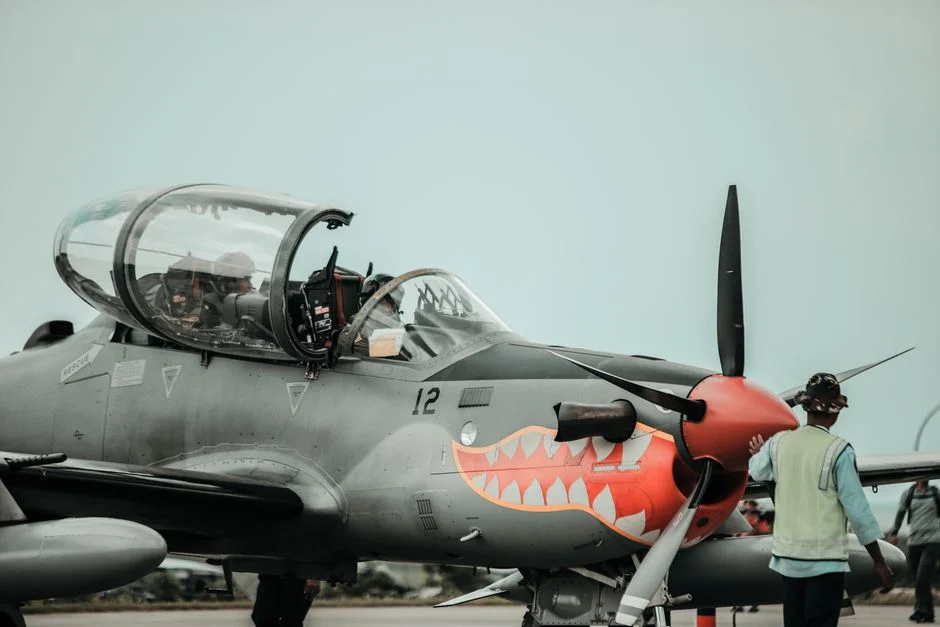
Minister of Foreign Affairs Yusuf Tuggar stated that the government has finalized arrangements to bring Nigerians home safely. Two aircraft have been secured for the operation, with departure details being finalized in coordination with Nigerian missions in Pretoria and Johannesburg. The ministry confirmed that screening of all registered citizens concluded on Thursday, clearing a backlog of applicants seeking passage out of South Africa.
"We have finished the screening process. Our citizens will not be left behind," Tuggar told reporters in Abuja. The minister added that consular officials at the Nigerian High Commission in Pretoria are working around the clock to process documentation and coordinate logistics for the flights.
Scale of the Crisis: Numbers Behind the Evacuation
Approximately 30,000 Nigerians live and work in South Africa, according to estimates from the Nigerian diaspora community. Not all have sought evacuation, but consular officials report a significant spike in registration requests since the violence began. The High Commission in Pretoria activated an emergency hotline to handle the surge in calls from citizens reporting threats and seeking assistance.
High Commissioner Zakari confirmed that teams on the ground have registered hundreds of Nigerians seeking to leave. "We are prioritizing those whose safety is most at risk," he said in a statement. The High Commission has set up temporary shelter at the Nigerian Cultural Centre in Pretoria for citizens unable to safely return to their residences.
Previous Waves of Xenophobic Violence
This is not the first time Nigeria has evacuated citizens from South Africa. In 2019, after a similar outbreak of violence that killed 12 people including two foreigners, Nigeria deployed a plane to repatriate more than 300 citizens. That episode strained diplomatic relations between the two nations, with Nigeria temporarily recalling its ambassador. The current crisis has revived memories of those events for many in the Nigerian community.
What Triggered the Current Outbreak of Violence
The latest wave of attacks began in the Johannesburg township of Soweto before spreading to other areas including Durban and Cape Town. South African nationals have targeted foreign-owned businesses, blaming immigrants for unemployment and economic hardship. Nigerian-owned retail shops and informal trading stalls have been hit particularly hard, with widespread looting reported across multiple provinces. Local media in South Africa have documented scenes of burnt-out shops and displaced families seeking shelter in police stations.
Police in Gauteng province have arrested more than 300 people in connection with the violence. The South African government has deployed army units to some affected areas, though critics say the response has been slower than in previous episodes. Nigerian business owners in Johannesburg told Reuters that they lost inventory worth thousands of dollars in just two days of looting.
Diplomatic Fallout and Government Response
President Bola Tinubu spoke directly with South African President Cyril Ramaphosa, calling for urgent action to protect Nigerian nationals and their property. The Nigerian government summoned South Africa's acting high commissioner to formally protest the attacks. Minister Tuggar warned that Nigeria expects concrete steps from Pretoria, not just expressions of concern.
South Africa's government has condemned the violence and promised to prosecute those responsible. President Ramaphosa acknowledged that the attacks damage South Africa's standing on the continent and pledged enhanced policing in affected areas. However, advocacy groups say previous pledges after 2019 led to few convictions, raising questions about enforcement.
Economic and Social Stakes for Both Nations
The Nigerian diaspora in South Africa sends hundreds of millions of dollars in remittances home annually, supporting families across Nigeria. Beyond finances, the community maintains cultural and business ties between the two largest economies in sub-Saharan Africa. The violence threatens these connections at a time when both countries face economic headwinds. Nigerian traders operating in Johannesburg's markets have described a climate of fear that is forcing them to reconsider their futures in South Africa entirely.
What Happens Next
The first evacuation flights are expected to depart from O.R. Tambo International Airport in Johannesburg within the coming days. The Ministry of Foreign Affairs has asked remaining citizens in South Africa to register with the High Commission if they have not already done so. Officials warn that flights will operate on a strict schedule and space on each plane is limited. Those who miss the initial flights will be placed on a priority list for subsequent departures. The crisis has reignited debate in Nigeria about the risks facing citizens abroad and whether enough is being done to protect them before disasters strike. The High Commission's emergency hotline remains active for citizens requiring immediate assistance.
See Also
- Kamel Daoud Faces Allegations of Literary Theft Amid Cultural Debate
- FG Slams Critics of OPL 245 as Unpatriotic — and Demands Unity
What is the latest news about nigeria deploys aircraft for mass evacuation from south africa after xenophobic attacks?
Why does this matter for politics-governance?
What are the key facts about nigeria deploys aircraft for mass evacuation from south africa after xenophobic attacks?