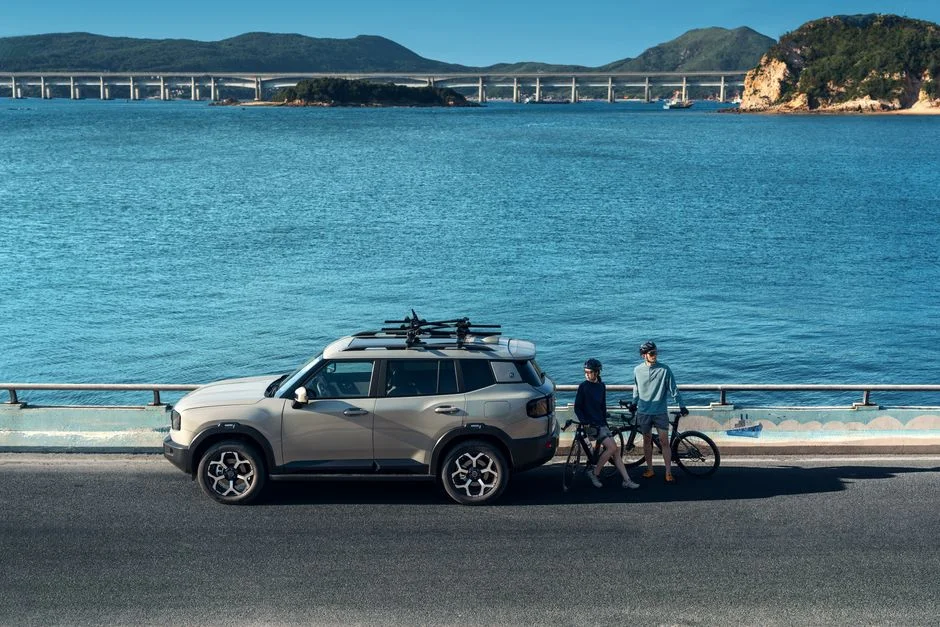
Great Wall Motor's Ora 5 electric vehicle landed at the Port of Durban in July, marking the Chinese manufacturer's most ambitious entry yet into Africa's largest EV market. The shipment signals a strategic pivot for GWM, which has spent years building partnerships across the continent while waiting for infrastructure to catch up with its product ambitions.
The arrival matters beyond the commercial stakes. South Africa has set targets to decarbonise its transport sector, and Chinese EVs have become the most accessible pathway for consumers who cannot afford European or American electric models. GWM is betting that the Ora 5 — a compact crossover with a 400-kilometre range — will find a ready audience among South African buyers seeking affordability without sacrificing performance.
A Market That Finally Made Sense
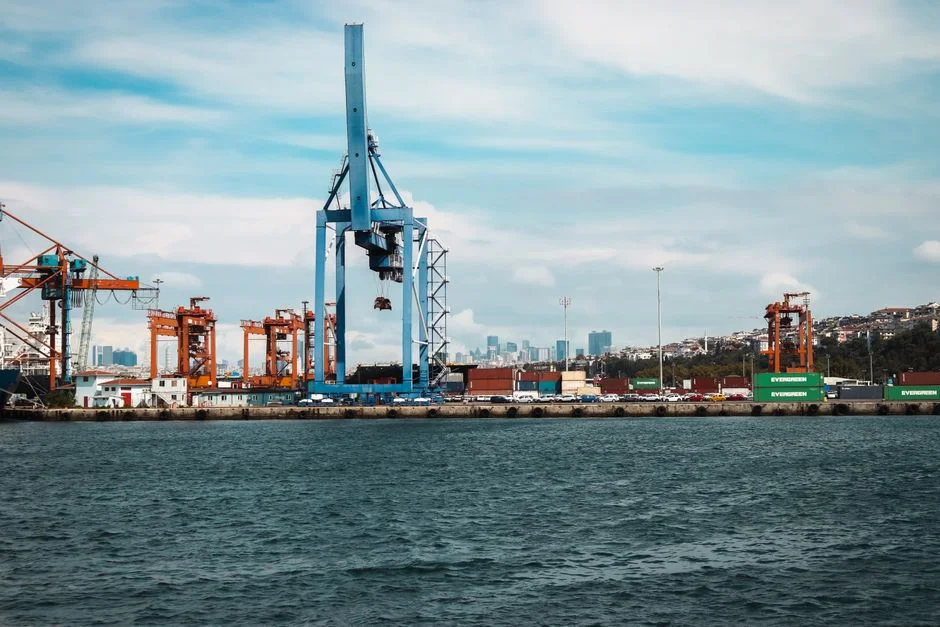
GWM announced plans to establish a South African headquarters in Johannesburg last year, and local media reported that the company had secured import approvals from the Department of Trade, Industry and Competition. The Ora 5 will compete against models from BYD and Chery, both of which have accelerated their African presence in recent months.
South Africa's EV market remains small — fewer than 2,000 electric vehicles were sold in the entire country last year — but growth has outpaced forecasts. Charging infrastructure has expanded from roughly 200 public points in 2022 to over 600 by mid-2024, according to the South African Electric Vehicle Association. That expansion has changed the calculus for manufacturers who once saw Africa as a market too immature to bother with.
The Ora 5: Specs and Pricing
The Ora 5 arriving in Durban comes equipped with a 63 kilowatt-hour battery pack, DC fast charging capability reaching 80 percent in 40 minutes, and an interior featuring dual digital screens and driver assistance features. GWM has not confirmed South African pricing publicly, but industry estimates place the base model at between 450,000 and 520,000 rand — roughly $24,000 to $28,000 at current exchange rates.
That positioning puts the Ora 5 below the entry-level Tesla Model 3 and well below the Hyundai Ioniq 6, creating a price gap that GWM's local distributor, Mzansi Further, hopes to exploit. The distributor signed an exclusive agreement with GWM in February, committing to sell at least 1,500 units in the first 18 months of operation. That target, if achieved, would represent roughly 75 percent of South Africa's entire 2023 EV sales volume.
Why African Development Goals Shape the Story
The Ora 5 launch arrives at a moment when African nations are reassessing their relationship with internal combustion engines. South Africa's Updated Nationally Determined Contribution, submitted to the UN Framework Convention on Climate Change, commits the country to reducing greenhouse gas emissions by 28 percent by 2030. Transport accounts for roughly 11 percent of South Africa's total emissions, and electric vehicles offer one of the fastest routes to measurable cuts.
But affordability remains the central obstacle. European EVs priced above $40,000 have made negligible inroads in South Africa, where the median household income sits below 25,000 rand per month. Chinese manufacturers like GWM have deliberately targeted the sub-$30,000 segment, betting that price — not brand prestige — will drive adoption among cost-conscious African consumers.
Broader Continental Implications
GWM's South African push does not exist in isolation. Kenya has offered import duty exemptions for EVs since 2022, and Rwanda has integrated electric motorcycles into its motorbike taxi fleet through government incentives. Ethiopia, meanwhile, has positioned itself as a testing ground for Chinese electric buses, with over 400 BYD buses now operating in Addis Ababa.
South Africa matters most because of its scale. With a population approaching 60 million and a GDP that represents roughly a fifth of all African economic output, any technology that gains traction in Johannesburg and Cape Town tends to ripple outward. Dealerships in Namibia, Botswana, and Zambia monitor South African launches closely, and successful models routinely cross borders through parallel imports within two years of their debut.
Infrastructure Questions Persist
Despite the optimism surrounding the Ora 5 arrival, practical questions about charging remain unresolved. The national electricity grid, operated by Eskom, has struggled with reliability in recent years, and load-shedding episodes — scheduled power cuts that can last hours — have made some South African drivers cautious about relying heavily on home charging.
GWM has addressed this concern by partnering with a private charging network, Charged, which has committed to installing 50 fast chargers along major corridors between Cape Town, Durban, and Johannesburg by the end of the year. The company has also equipped the Ora 5 with Vehicle-to-Load capability, allowing owners to use the car battery to power appliances during load-shedding events — a feature that has proven popular in South African marketing circles.
What Comes Next
Mzansi Further has scheduled a public unveiling event in Johannesburg for late August, where pricing, warranty details, and the first round of test drive bookings will be announced. The distributor has also indicated plans to open five certified service centres across the country by December, addressing a common complaint about Chinese EVs in African markets — the lack of localised maintenance support.
Whether the Ora 5 converts interest into sales will depend heavily on financing options. GWM's local operation is in discussions with three South African banks to offer vehicle loans tailored to EV purchases, including extended repayment terms of up to 72 months. If those arrangements finalise before the August launch, analysts say the Ora 5 could meaningfully shift South Africa's EV trajectory.
See Also
- Natureza's Simple Innovations: Paving the Way for African Health Solutions
- Gambians Face Uncertainty as FGM Ban Sparks Mixed Reactions
GWM has addressed this concern by partnering with a private charging network, Charged, which has committed to installing 50 fast chargers along major corridors between Cape Town, Durban, and Johannesburg by the end of the year. Kenya has offered import duty exemptions for EVs since 2022, and Rwanda has integrated electric motorcycles into its motorbike taxi fleet through government incentives.