Mamelodi Sundowns secured the African Champions League title, delivering a historic triumph for South African football and the broader continent. The Pretoria-based club defeated their Moroccan rivals in a tense final that showcased the growing commercial and sporting depth of the continent's premier club competition. This victory is not merely a trophy lift; it signals a shifting balance of power in African football, with South Africa asserting itself as a dominant force alongside traditional powerhouses like Morocco and Egypt.
A Historic Victory for South African Football
The win cements Mamelodi Sundowns' status as one of the most successful clubs in recent African history. The team’s journey to the title was marked by tactical discipline and financial prudence, setting a benchmark for other African clubs striving for continental glory. South Africa’s football federation can now point to this achievement as evidence that domestic league stability translates into continental success.
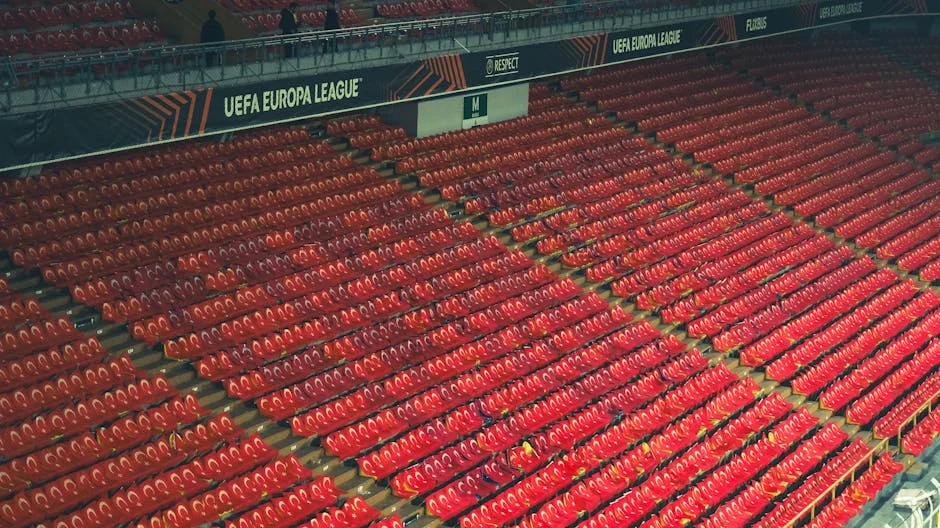
This success has immediate implications for the local economy in Pretoria and the greater Gauteng province. The influx of fans, media crews, and corporate sponsors for the final brought millions of Rand into the local economy. Hotels, transport services, and hospitality sectors in the region reported record occupancy and revenue during the tournament weeks.
Club officials confirmed that the victory will trigger a wave of new sponsorship deals. The brand value of the "Bafana Bafana of clubs" has surged, attracting interest from regional banks and telecommunications giants. This commercial growth is vital for the sustainability of African football clubs, many of which have historically relied on single, often fickle, patrons.
The Moroccan Rivalry and Continental Competition
The final highlighted the intense rivalry between South Africa and Morocco, two nations that currently dominate African club football. Moroccan clubs, such as Wydad Casablanca and Raja Casablanca, have invested heavily in infrastructure and player scouting, creating a robust ecosystem that challenges South African dominance. This competition drives up the quality of play and increases the prize money stakes for all participating clubs.
Investment Models in African Football
Morocco’s approach to football development offers valuable lessons for other African nations. The Moroccan Football Federation has implemented long-term strategic plans focusing on youth academies and stadium upgrades. These investments have yielded tangible returns, with Moroccan clubs consistently reaching the semi-finals and finals of the African Champions League. Other African federations are now looking to replicate this model to boost their own national teams and club structures.
South Africa’s success with Mamelodi Sundowns shows that a different model can also work. The club has focused on data-driven recruitment and strong financial management, avoiding the debt traps that have plagued many European and African clubs. This balanced approach ensures long-term viability, allowing the club to reinvest profits into youth development and infrastructure.
Infrastructure and Economic Growth
Football remains a powerful engine for economic development in Africa. The African Champions League attracts significant broadcasting rights fees, which are then distributed among the participating clubs and the Confederation of African Football. These funds are often reinvested into local infrastructure, creating jobs and improving facilities in host cities. The economic ripple effect extends beyond the stadiums, benefiting local businesses and enhancing the global image of host nations.
However, infrastructure challenges remain a significant hurdle for many African clubs. While South Africa and Morocco have made substantial progress, many other nations still struggle with outdated stadiums and poor transport links. Addressing these gaps is essential for unlocking the full economic potential of African football. Governments and private investors need to collaborate to modernize facilities and improve the fan experience.
The Mamelodi Sundowns victory underscores the importance of investment in sports infrastructure. The club’s home ground, Loftus Versfeld, has undergone several renovations to meet continental standards. These upgrades have not only improved the playing conditions but also increased the stadium’s capacity to host major international events. This model of continuous improvement is something other African clubs should emulate to remain competitive.
Youth Development and Educational Opportunities
Beyond the economic benefits, football provides crucial educational and developmental opportunities for African youth. Clubs like Mamelodi Sundowns have established robust academy systems that combine sporting excellence with academic rigor. These programs help young players develop the skills needed to succeed on the pitch and in life, reducing the risk of being left behind if their football careers falter.
The success of the academy model in South Africa has inspired other African nations to invest in youth development. Programs that integrate education with football training have shown promising results, producing players who are both technically skilled and academically proficient. This holistic approach is essential for the long-term sustainability of African football, ensuring that players are well-rounded individuals who can contribute to their communities.
International partnerships also play a vital role in enhancing youth development. Many African clubs have formed alliances with European academies to share knowledge and resources. These collaborations provide African players with exposure to different playing styles and training methods, broadening their horizons and increasing their marketability. The African Champions League serves as a platform for showcasing these young talents to a global audience.
Governance and Transparency in African Football
Effective governance is critical for the continued growth of African football. The Confederation of African Football has implemented several reforms to improve transparency and accountability in club and national team management. These measures include financial fair play regulations, which require clubs to balance their books and avoid excessive debt. Such reforms are essential for ensuring the financial health of African football and attracting long-term investment.
Mamelodi Sundowns’ success is partly attributable to its strong governance structure. The club’s board has maintained a clear strategic vision, focusing on sustainable growth rather than short-term gains. This disciplined approach has earned the respect of sponsors, players, and fans, creating a stable environment for the club to thrive. Other African clubs would do well to adopt similar governance practices to enhance their own competitiveness.
Transparency in football governance also helps to build trust among stakeholders. When fans and investors see that their money is being managed efficiently, they are more likely to support the club. This trust is crucial for the long-term viability of African football, which often faces skepticism due to past mismanagement. By setting an example of good governance, Mamelodi Sundowns is helping to restore faith in the continent’s football institutions.
Health and Wellness Initiatives
Football clubs are increasingly recognizing the importance of health and wellness for their players and fans. Mamelodi Sundowns has invested in state-of-the-art medical facilities and wellness programs to keep their players in peak condition. These initiatives not only improve performance but also extend the careers of players, providing greater value for clubs and fans alike. Health-focused strategies are becoming a key differentiator in the competitive landscape of African football.
The club also engages in community health initiatives, using the popularity of football to promote healthy lifestyles. These programs include free health screenings, nutrition workshops, and fitness challenges for local residents. By leveraging the power of football, the club is making a tangible impact on public health in South Africa. This model of community engagement is something other African clubs can adopt to strengthen their social license to operate.
Community Engagement and Social Impact
Social impact is a growing priority for African football clubs. Mamelodi Sundowns has launched several initiatives aimed at empowering local communities through education, healthcare, and entrepreneurship. These programs help to address some of the pressing social challenges facing South Africa, such as unemployment and inequality. By giving back to the community, the club is building a loyal fan base and enhancing its brand reputation.
Other African clubs are following suit, recognizing that social impact is no longer a bonus but a necessity. Fans are increasingly supporting clubs that demonstrate a genuine commitment to their communities. This trend is driving clubs to invest in social programs that go beyond the pitch, creating a positive feedback loop that benefits both the club and the community. The Mamelodi Sundowns victory serves as a reminder that football can be a powerful force for social change in Africa.
Future Prospects for African Football
The Mamelodi Sundowns victory is a testament to the growing strength of African football. It shows that with the right investment, governance, and strategic planning, African clubs can compete with the best in the world. The African Champions League continues to gain global recognition, attracting more broadcasters, sponsors, and fans. This growing interest presents a unique opportunity for African football to capitalize on its rich history and vibrant talent pool.
However, challenges remain. Infrastructure gaps, financial instability, and governance issues continue to plague many African clubs. Addressing these challenges will require sustained effort from governments, federations, and private investors. Collaboration is key to unlocking the full potential of African football and ensuring that it remains a source of pride and economic growth for the continent. The stage is set for an exciting future for African football, with Mamelodi Sundowns leading the way.
Readers should watch for the announcement of the next African Champions League final location and the subsequent investment plans by host cities. The Confederation of African Football is also expected to release new financial fair play regulations in the coming months, which will significantly impact club budgets and recruitment strategies across the continent.
What is the latest news about mamelodi sundowns seal champions league glory what it means for african sport?
Why does this matter for health-medicine?
What are the key facts about mamelodi sundowns seal champions league glory what it means for african sport?