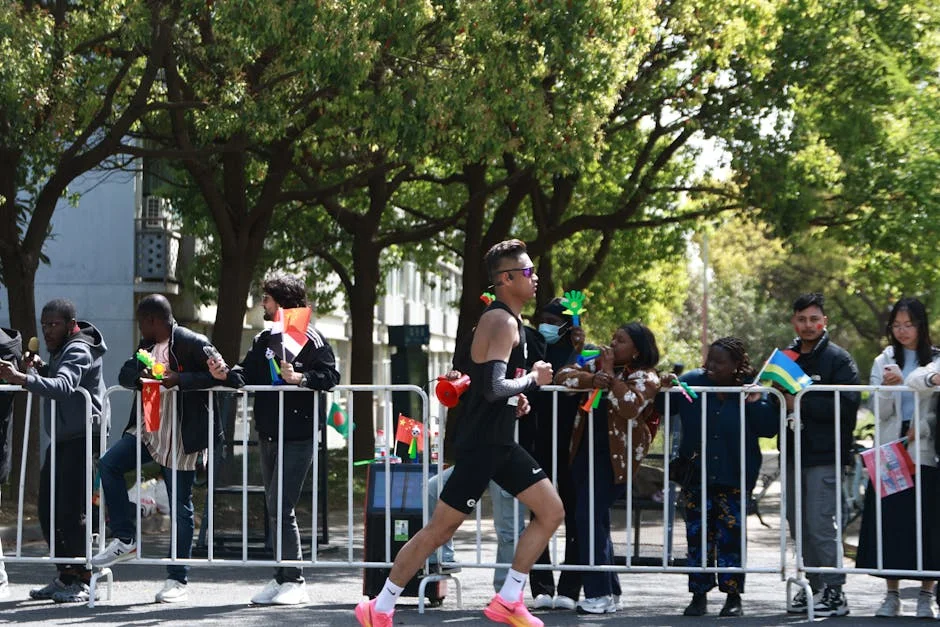
Cheslin Kolbe prepares to return to South Africa from Japan, a move that signals a major shift in how the continent retains its sporting talent. This transfer is not merely a change of scenery for a star rugby player. It represents a growing trend where African athletes leverage international success to drive local economic development. The return of such high-profile figures challenges the traditional model of brain drain that has long plagued African sports industries.
Readers in Nigeria and across West Africa should pay close attention to this development. It offers a blueprint for how soft power and athletic excellence can translate into tangible infrastructure and community growth. The stakes are high for nations looking to diversify their economies beyond oil and minerals.
From Tokyo to Cape Town
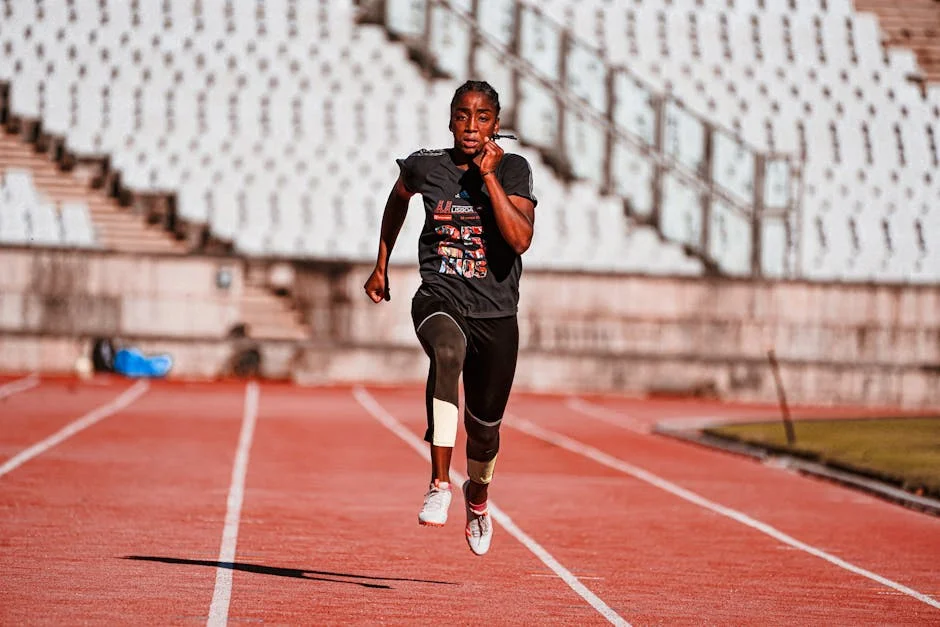
Kolbe’s decision to leave the Japanese Top League clubs for a homecoming in South Africa marks a significant moment for the sport. He spent several seasons in Japan, adapting to a different style of play and a unique fan culture. His performance there was documented by global media, raising his market value significantly. This period abroad allowed him to accumulate wealth and experience that many local players rarely see.
The contrast between the Japanese professional structure and the South African system is stark. Japan offers stability and consistent funding for mid-tier clubs, which often struggle in Europe. South Africa, however, boasts a passionate fanbase and a competitive domestic league, the United Rugby Championship and Super Rugby. Kolbe’s move back suggests that the financial incentives are shifting towards the home market for top-tier talent.
Economic Implications for the Player
Financial analysts note that Kolbe’s contract in South Africa is likely to reflect his elevated global profile. His earnings in Japan provided a solid foundation, but the tax structures and endorsement opportunities in South Africa may offer greater long-term growth. This financial planning is critical for athletes who often face short careers. It demonstrates a mature approach to asset management that African sports figures are beginning to adopt.
This financial acumen is part of a broader trend among African professionals. They are no longer accepting expatriate wages without considering the long-term impact on their home economies. By returning with capital, Kolbe becomes an investor rather than just a resident. This shift can stimulate local businesses, from real estate to retail, in his chosen city.
The Brain Drain Challenge
African nations have long struggled with the brain drain phenomenon. Top doctors, engineers, and athletes leave for Europe, North America, and increasingly, Asia. This exodus depletes local institutions of experienced talent. The loss of young, dynamic players weakens the competitive edge of national teams and domestic leagues. It creates a cycle where only the best leave, making it harder for successors to break through.
Kolbe’s return challenges this narrative. It shows that international experience does not have to mean permanent exile. Athletes can gain skills, discipline, and wealth abroad and then reinvest them at home. This model can be replicated in other sectors. Imagine if African engineers returned from Germany or doctors came back from the UK with similar mindsets. The potential for continental development is enormous.
The South African government and sports bodies are actively courting such returns. They understand that retaining talent is not just about salaries. It is about creating an ecosystem where athletes can thrive both on and off the field. This includes better healthcare facilities, education for their children, and clear pathways for post-career growth. These infrastructure improvements benefit the entire community, not just the sports elite.
Japan’s Role in African Sports
Japan has emerged as a surprising hub for African athletes. The Japanese Top League offers a competitive environment that bridges the gap between African and European styles of play. African players bring physicality and pace, which are highly valued in Japanese rugby. In return, they gain exposure to Japanese discipline and tactical precision. This cultural exchange enriches the sport on both continents.
The relationship between Japanese and African sports sectors is growing. Japanese clubs are increasingly scouting in Africa, recognizing the raw talent available. This creates a pipeline for young athletes to gain international experience without having to move to the often overcrowded European markets. For African nations, this is an opportunity to negotiate better terms for their players. They can leverage the demand from Japanese clubs to secure better salaries and benefits.
This dynamic also has implications for trade and diplomacy. Sports often serve as a soft power tool for nations. The presence of African athletes in Japan fosters people-to-people connections. It creates goodwill and opens doors for business partnerships. South Africa, with its strong economic ties to Japan, is well-positioned to capitalize on these connections. The return of Kolbe is a visible symbol of this growing partnership.
Infrastructure and Community Growth
The return of star athletes like Kolbe can drive infrastructure development in their home cities. When a high-profile player joins a club, the club often invests in better training facilities, stadiums, and medical centers. These improvements do not stay within the walls of the stadium. They spill over into the local economy. Construction jobs are created, local suppliers are contracted, and tourism increases.
In Cape Town or Johannesburg, Kolbe’s presence could boost the profile of the local rugby team. This increased visibility can lead to higher ticket sales and merchandise revenue. It can also attract sponsorships from local businesses looking to align themselves with the star. This injection of capital can help stabilize the financial health of the club. It reduces the reliance on volatile sponsorship deals and creates a more sustainable business model.
Moreover, Kolbe’s success story can inspire young athletes in the region. Seeing a local hero return home provides tangible proof that international success is achievable. This can increase participation rates in rugby and other sports. Higher participation rates mean a larger talent pool for future selection. It creates a virtuous cycle of improvement and competitiveness. For African nations aiming to boost their sports sectors, this inspirational factor is invaluable.
Education and Youth Development
Many returning athletes invest in education and youth development programs. Kolbe has shown interest in mentoring young players and improving coaching standards. This focus on human capital development is critical for long-term growth. It ensures that the benefits of the star’s return are passed down to the next generation. Schools and academies can benefit from his expertise and resources.
These educational initiatives can also address broader social issues. Sports programs can keep young people off the streets, reduce crime, and improve health outcomes. They provide a structured environment for youth development. This aligns with broader African development goals, such as those outlined in the African Union’s Agenda 2063. Sports can be a powerful tool for social cohesion and economic empowerment.
Governance and Policy Lessons
The success of Kolbe’s return highlights the importance of good governance in sports. Clubs and federations need to be transparent and efficient in their operations. They must create clear contracts and dispute resolution mechanisms. This builds trust among players and investors. Poor governance can drive talent away, even if the salaries are competitive. Players want stability and professionalism.
African nations can learn from Japan’s approach to sports governance. The Japanese system emphasizes long-term planning and stakeholder engagement. Clubs work closely with local communities and businesses. This integrated approach creates a strong foundation for growth. African sports bodies can adopt similar strategies to improve their own structures. This includes better financial management, clearer strategic goals, and stronger community ties.
Policy makers in South Africa and other African nations should consider tax incentives for returning athletes. These incentives can encourage more stars to come home. They can also attract foreign investors to the sports sector. By creating a favorable policy environment, nations can turn their sports industries into significant economic drivers. This requires collaboration between the government, private sector, and sports federations.
What to Watch Next
The coming months will reveal the full impact of Kolbe’s return. Fans and analysts will track his performance on the field. They will also look at his off-field investments and community initiatives. This will provide valuable data on the economic and social returns of athlete repatriation. Other African nations will be watching closely to see if the South African model can be replicated.
Investors and sports bodies should monitor the contract details and the club’s financial health. These factors will determine the sustainability of the move. If successful, Kolbe’s return could trigger a wave of other African athletes coming home. This would mark a significant shift in the continental sports landscape. The deadline for the next transfer window is approaching, and more announcements are expected soon.
See Also
- Lion DNA Analysis Leads to Historic Poacher Conviction in Zimbabwe
- Rising Complaints Against Portuguese Police: Implications for Africa